

The International Air Transport Association (IATA), the Latin American and Caribbean Air Transport Association (ALTA), Airports Council International Latin America and the Caribbean (ACI-LAC) and the Civil Air Navigation Services Organisation (CANSO), are jointly expressing their deep concerns about the new measures and restrictions imposed on air travel across Latin America and the Caribbean.
In a call to governments they are asking for the implementation and adherence to internationally agreed measures which permit safe air travel during the COVID-19 pandemic. Rolling back the progress made on restoring air connectivity in 2020 will have an adverse effect on the socio-economic recovery in the region, placing millions of jobs at risk.
2021 began as a promising and hopeful year with vaccination campaigns being started. Health and safety are and will always be the number one priority; therefore, the airline industry has been supporting and advising States in their efforts to prevent the spread of COVID-19 by implementing multilayered biosafety protocols at all stages of travel.
However, measures that had been lifted such as quarantines on top of testing requirements are being re-imposed, in addition to new bans on flights to certain destinations. All of this represents a setback in the recovery efforts in many economic sectors, such as travel and tourism, among others.
“We again call on governments to implement and follow the internationally agreed biosafety protocols for aviation. We cannot go back to the beginning of the pandemic, closing borders or applying quarantines when even the World Health Organization has pointed out that the virus cannot be controlled in this way, says Peter Cerdá, IATA Regional Vice President for the Americas.
The industry is also reminding governments of the importance of providing a clear and reliable regulatory framework under which airlines can provide stable operations to passengers, which is an integral part of rebuilding customer confidence. Airlines, airports and suppliers require enough advance notice to allow for proper planning of efficient and safe operations. Passengers also plan their trips in advance and changing requirements generates uncertainty and disincentives to travel.
Related Topics
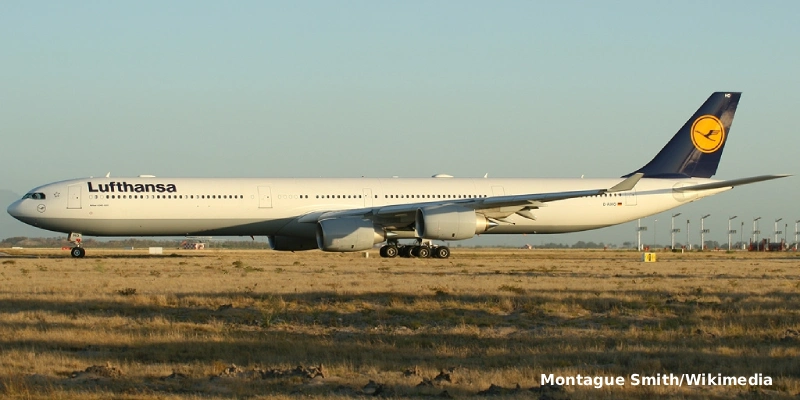
End of an Era: Lufthansa Retires Airbus A340-600 Fleet After 23 Years of Service

ITA Airways Celebrates Its Fifth Anniversary

Condor Launches Daily Flights Between Berlin and Abu Dhabi

Lufthansa in Talks to Acquire Remaining 50.1% Stake in TAP Air Portugal Following Initial Entry


Plataforma Informativa de Aviación Comercial con 13 años de trayectoria.