

Rolls Royce reversal course and resumes talks with Boeing on new 797 program.
Two years ago, Rolls Royce, stunned the aviation world by pulling out of the race to power Boeing’s 797 after it announced a £2.9 billion loss over costs to rectify durability faults on its Trent 1000 engines.
See also: Malaysia Airlines plans to retire its Airbus A380 fleet.
The 797 is expected to be a twin-aisle 220-270 seat aircraft in a 2-3-2 configuration in economy that would have a range of about 10 hours and sits between the smaller single-aisle 737/A320 aircraft and the larger 787/A350 designs.
The promised fuel economy of both the new generation engine and the airframe optimized only for 10-hour missions, has the airline industry excited with Qantas’s chief executive Alan Joyce saying prior to COVID that Boeing would be “crazy not to do it.”
“We think it’s a fantastic aircraft on paper that looks good for what we want.”
The market size for the 797 is put at between 5000 and 7000 aircraft over 20 years.
The UltraFan, which Rolls-Royce has begun building and will be the world’s largest aero engine, will be significantly larger than Boeing needs, but it will spawn a family with a variety of thrust levels.
The twin-aisle medium-range aircraft seating about 250 passengers is not new and both Boeing and its legacy company McDonnell Douglas touted the concept in the 1980s and 90s.
Related Topics
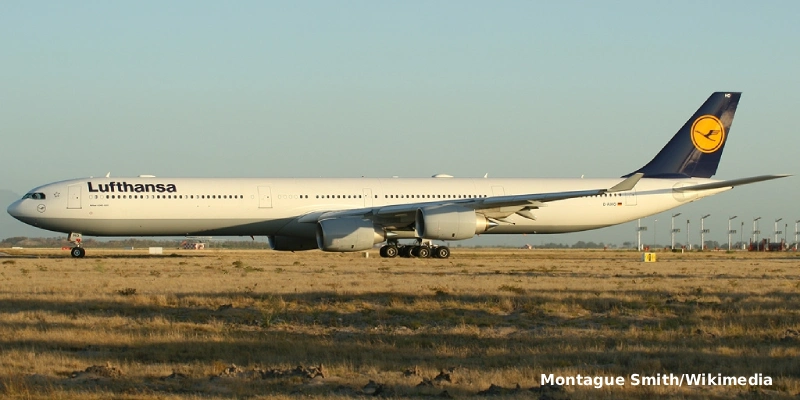
End of an Era: Lufthansa Retires Airbus A340-600 Fleet After 23 Years of Service
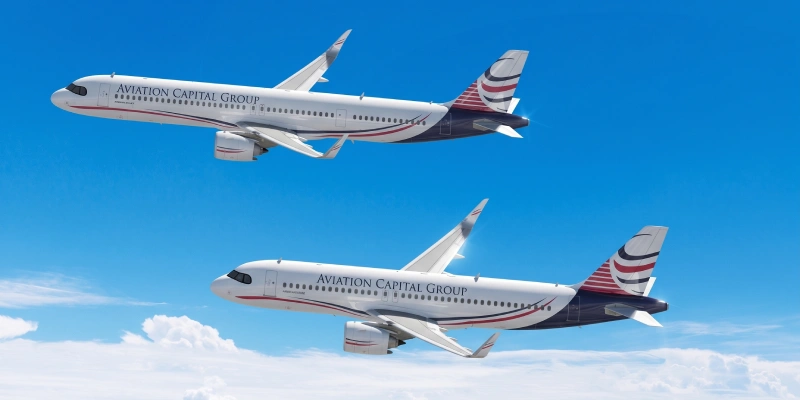
Aviation Capital Group Signs Firm Order for 75 Airbus A320neo Family Aircraft
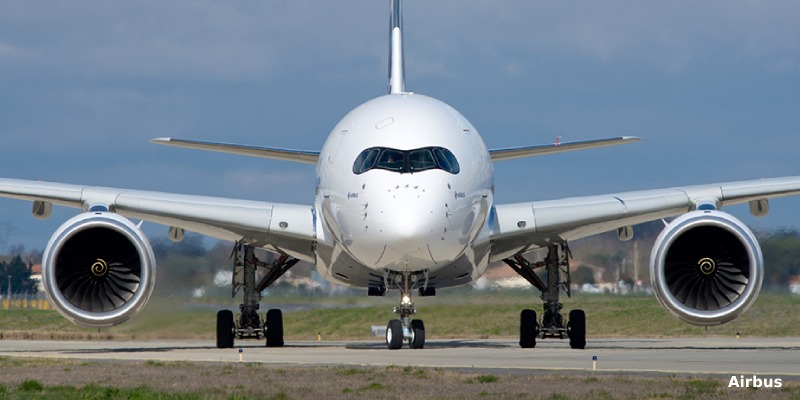
Airbus Plans to Accelerate A350 Production Ramp-Up and Evaluates Higher-Capacity Variants
Global Aviation Services Market to Double, Surpassing $420 Billion by 2045, Says Airbus

Plataforma Informativa de Aviación Comercial con 13 años de trayectoria.