Boeing Requests Emissions Exemption from FAA to Sell 35 777F Jets





Boeing has formally requested an exemption from emission standards set to take effect in 2028 from the U.S. Federal Aviation Administration (FAA). The goal is to allow the sale of 35 additional Boeing 777F cargo aircraft. The request is based on strong market demand and delays in the company’s next-generation freighter program.
A Key Request to the FAA
The petition was filed on Friday, and the company seeks approval by May 1. The environmental regulations adopted by the FAA establish emission limits for most large aircraft operating in U.S. airspace, following international standards. These rules, finalized in February 2024 under President Joe Biden, do not apply to aircraft already in service before they take effect.
Boeing argues that the 777-8 Freighter, designed to comply with those limits, will not be ready before 2028, creating an operational gap for cargo operators needing additional capacity in the short term.
777F’s Role in the Cargo Market
The manufacturer maintains that the 777F is currently the most fuel-efficient aircraft in the global cargo segment and the only large-body freighter still in production. For Boeing, these characteristics make it an essential asset to meet the needs of international trade.
→ FAA to Evaluate New Cockpit Alert System for Boeing 737 MAX 10: A Key Step Toward Certification
The company emphasizes the importance of large freighters for exporting goods. In 2024, out of $600 billion in goods exported by air, more than $260 billion were transported on this type of aircraft.
Economic Impact and Trade Balance
Boeing also highlighted the direct economic effect of these operations. Each 777F sold to a foreign customer contributes $440 million to the positive U.S. trade balance, based on its list price. Without an exemption, the company estimates that over $15 billion in U.S. export value could be lost.
Delays in the 777-8F and the Program Timeline
According to the information provided, Boeing expects to deliver the first 777-8 Freighter approximately two years after the first delivery of the 777-9, currently scheduled for 2027. This timing gap reinforces the need, according to the company, to maintain production and sales of the 777F while the new model completes its certification.
Regulatory Background and Climate Goals
This is not the first time regulatory flexibility measures have been applied to the sector. Last year, the U.S. Congress passed legislation allowing Boeing to continue manufacturing the 767 freighter for an additional five years, until 2033, exempting it from FAA efficiency standards set to begin in 2028.
According to data from the agency itself, civil aviation was responsible for 9% of domestic transportation emissions and 2% of total carbon pollution in the United States. In this context, the U.S. government presented a climate action plan with the goal of achieving net-zero greenhouse gas emissions in the aviation sector by 2050.
The FAA’s decision on Boeing’s request will be crucial for the immediate future of the high-capacity air cargo market and for balancing economic growth with environmental commitments.
Related Topics
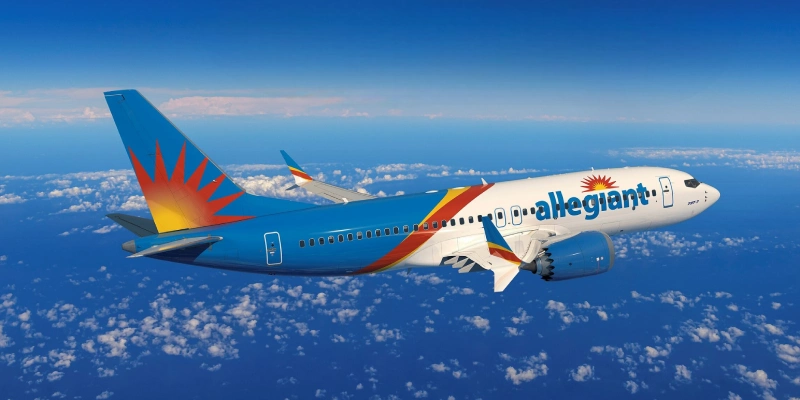
Allegiant Air Orders Six Additional Boeing 737 MAX Jets
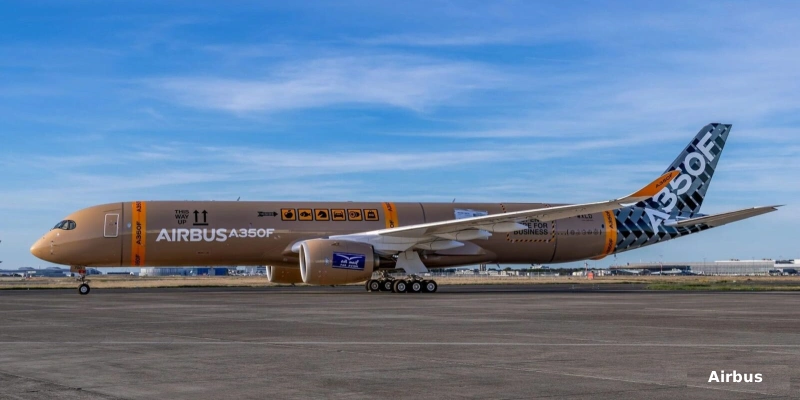
Airbus Projects Global Freighter Fleet to Reach 3,460 Aircraft by 2045
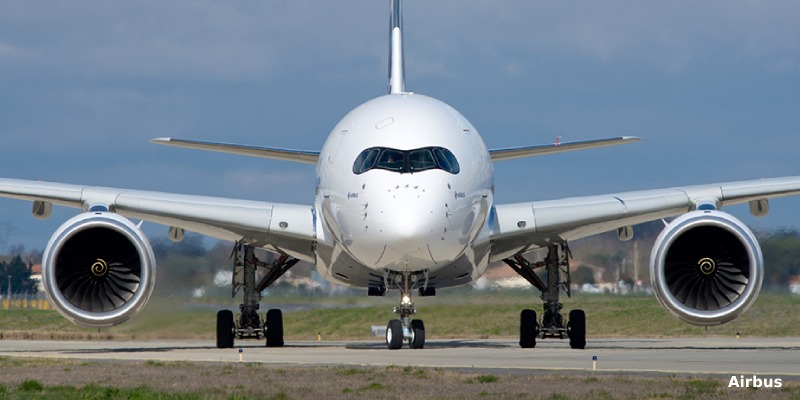
Airbus Projects Demand for 2,720 New Passenger Aircraft in Latin America Over Next 20 Years
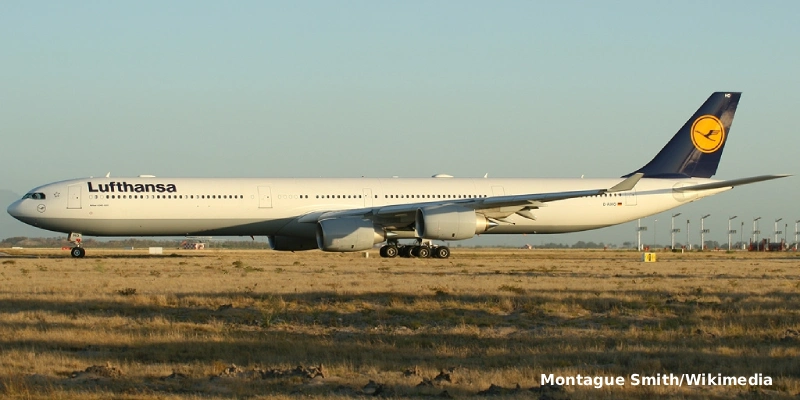
End of an Era: Lufthansa Retires Airbus A340-600 Fleet After 23 Years of Service

Plataforma Informativa de Aviación Comercial con 13 años de trayectoria.