IndiGo Faces Third Day of Mass Cancellations, Deepening Chaos in Indian Airports
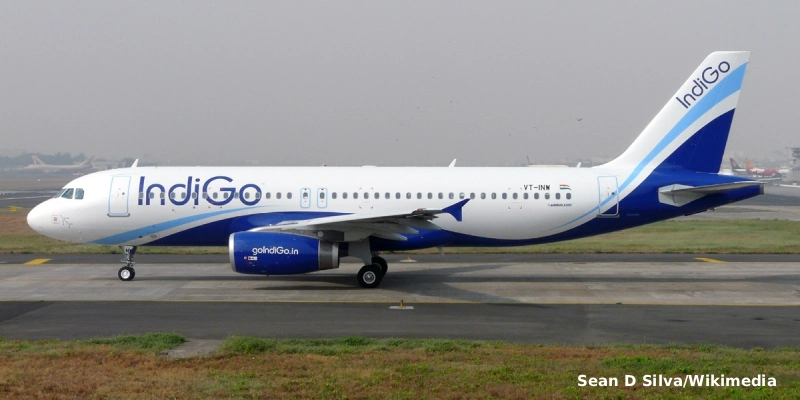




IndiGo’s operations were once again compromised on Thursday, marking a third consecutive day of significant disruptions. Thousands of passengers were left stranded due to the cancellation of at least 175 flights in the morning hours, worsening the chaos at terminals such as New Delhi, Mumbai, Hyderabad, Pune, and Bengaluru. The previous day, the company had already canceled around 150 flights.
Impact on the Market and Causes Behind the Crisis
IndiGo, which controls about 60 percent of domestic air traffic in the country and has built its image on punctuality, saw its shares fall 3.4 percent on Thursday, accumulating a weekly decline of nearly 6 percent. This reputational blow comes just as new regulatory requirements have tested its ability to adapt.
The Indian Pilots’ Federation explained that the airline failed to reorganize its schedules with enough advance notice to comply with rules designed to enhance safety. These measures, announced last year and enforced since November 1, extend mandatory weekly rest for each pilot by 12 hours to a total of 48, in addition to limiting nighttime landings to two per week, down from the six previously allowed.
IndiGo acknowledged that the new operational limits have influenced the wave of cancellations, though it declined to respond to requests for further comment. Other companies such as Air India, SpiceJet, and Akasa Air have not had to alter their scheduling.
Urgent Meetings and a Sector Seeking Answers
The civil aviation authority is scheduled to meet with IndiGo’s senior management to request details on the origin of the crisis and to learn whether there is a recovery plan. The meeting aims to clarify why the airline, unlike others, has suffered such a severe impact this week.
→ IndiGo Reports Larger-Than-Expected Losses in Last Quarter
Overcrowded Airports and Passengers Left Uninformed
Airports experienced a notable increase in the number of cancellations. Bengaluru reported 73 flights suspended. Delhi recorded around 30, Hyderabad reached 68, and Mumbai scheduled 85 additional cancellations.
Operational issues also affected specific flights. A Reuters photographer spent three hours on a plane in Pune after landing due to a lack of clearance to park the aircraft until other planes had taken off.
The situation represents a considerable setback for an airline with two decades of history, over 2,000 daily flights, and a fleet of more than 400 aircraft, mainly composed of Airbus A320 models. The company even frequently references the concept of “IndiGo Standard Time” when boarding is completed ahead of schedule—a stark contrast to the current situation.
A Scenario Testing Passenger Trust
The scale of the disruption raises questions about the repercussions for IndiGo, which reported revenue of nearly $9 billion in its last fiscal year. Its main competitor, Air India, is also under scrutiny following an accident in June that resulted in 260 casualties.
In the airports, the atmosphere was tense. Exhausted passengers waited in long lines inside crowded halls while trying to obtain information. Ram Shankar Yadav, traveling with his family to his younger brother’s wedding celebration, mentioned that his flight had accumulated a six-hour delay. He added that there were not enough seats and that several passengers had settled on the floor using newspapers, also noting that customer service lines were not working.
Related Topics

United Airlines Unveils New Terminal B North Concourse at Houston Bush Intercontinental Airport
Qatar Airways to Launch Flights to New Western Sydney International Airport Starting in 2027
Sydney Opens Second Airport Amid Sluggish Initial Flight Volumes

Panama: Tocumen Airport Surpasses 17.8 Million Passengers Between January and September 2026

Plataforma Informativa de Aviación Comercial con 13 años de trayectoria.