
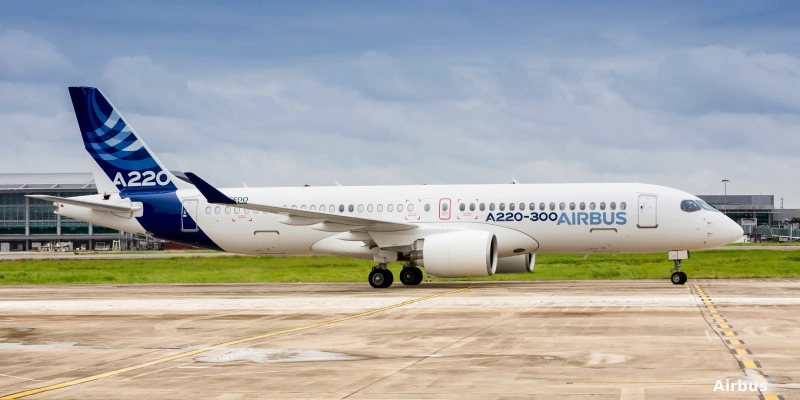
Airbus is in the final stages of an agreement to sell approximately 100 A220 aircraft to AirAsia, with options for an additional 50 units, according to industry sources who spoke to Reuters. This would mark the formal entry of Asia’s largest low-cost group into the regional jet segment.
If confirmed, the announcement could be made within days, coming at a key moment for the Malaysian airline, which is immersed in a deep operational and financial restructuring process.
The A220: A New Piece in AirAsia’s Puzzle
The potential order would represent a structural shift in AirAsia’s fleet philosophy. Until now, the group has operated almost exclusively aircraft from the Airbus A320 family, with more than 350 units ordered, plus 50 A321XLRs ordered in July to strengthen its long-haul low-cost network.
The A220 would allow AirAsia to cover a gap that has so far existed in its business model: lower-density regional routes, new secondary cities, and markets where an A320 is excessive in capacity or cost. It is worth noting that, according to talks ahead of last year’s Paris Airshow, AirAsia even considered becoming the launch customer for a high-density version with up to 160 seats, a concept not yet officially confirmed by Airbus.
Airbus vs Embraer: A Quiet Competition
Although Airbus starts with an advantage due to its historical relationship with AirAsia, the process has not been without competition. Embraer has attempted to use this strategic window to break Airbus’s monopoly within the group, offering its E-Jets as an alternative in the regional segment.
→ Airbus Takes a Key Step Towards Circular Economy by Recycling A380 Components for A320neo
However, Airbus is said to have intensified its efforts to close the deal for around 100 A220s, with the possibility of an announcement even this month, reinforcing the perception that the European manufacturer is leading the negotiation.
A Smaller Fleet to Grow Further
From a strategic point of view, the move makes sense. In June of last year, Tony Fernandes, co-founder of AirAsia, had already indicated that the airline was ready to incorporate smaller aircraft with the goal of opening new destinations and sustaining network growth.
This week, Deputy Group CEO Farouk Kamal confirmed that AirAsia continues to work with various manufacturers on evaluating regional aircraft types, while also considering an additional order of up to 150 aircraft in the medium term. The A220 fits naturally into that plan.
Financial Context: Growing After the Storm
The potential agreement comes after one of the most complex periods in the group’s history. Travel restrictions during the pandemic severely hit its holding company, Capital A, which was even classified as financially distressed (PN17) by the Malaysian stock exchange.
Fernandes, now CEO of Capital A, recently confirmed that the group has completed its PN17 regularization plan and is now actively working on the recovery phase, which he defined as “the uplift.”
Corporate Reorganization: Focus on Efficiency
A key element of this new stage will be the consolidation of all airline operations under the AirAsia brand within AirAsia X. The objective is clear: simplify structures, reduce costs, and accelerate operational expansion, while Capital A focuses its efforts on cleaning up and revitalizing its finances.
In this context, the introduction of the A220 is not just a fleet decision, but a strategic tool to rebuild the airline’s growth with greater flexibility and efficiency.
AirAsia was one of the key players in the low-cost airline boom in Asia over the last two decades, driven by rising incomes and the democratization of air travel. Today, with the market expanding again, the group seems determined to reinvent its model without abandoning its low-cost DNA.
Related Topics
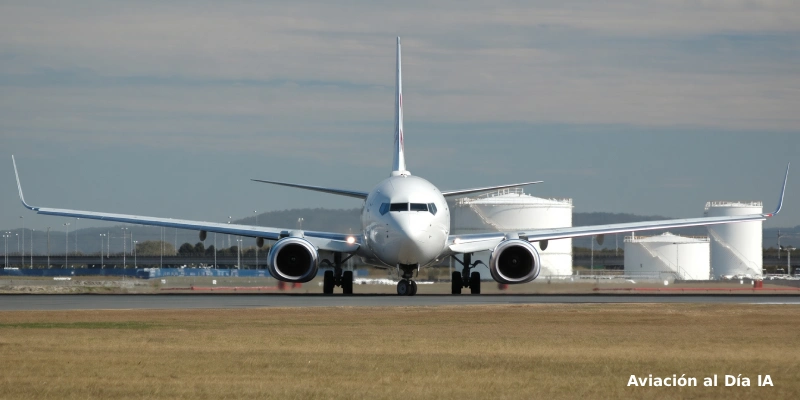
FAA Mandates Inspections on Nearly 2,000 Boeing 737 NGs Over Horizontal Stabilizer Oscillations
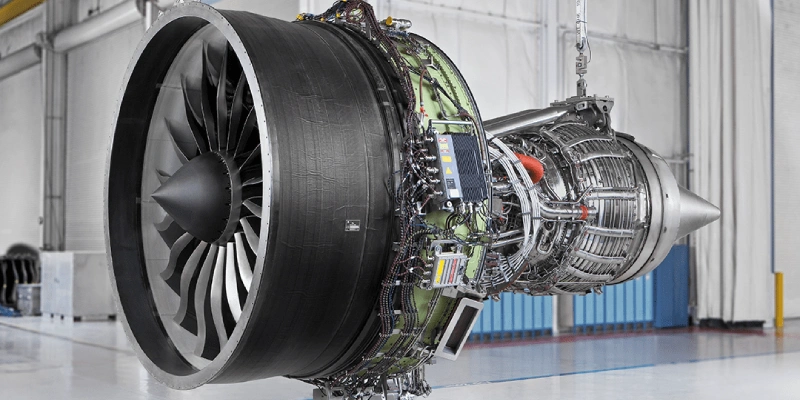
GE Aerospace Ramps Up GEnx Deliveries, Outpacing Boeing 787 Handover Rate
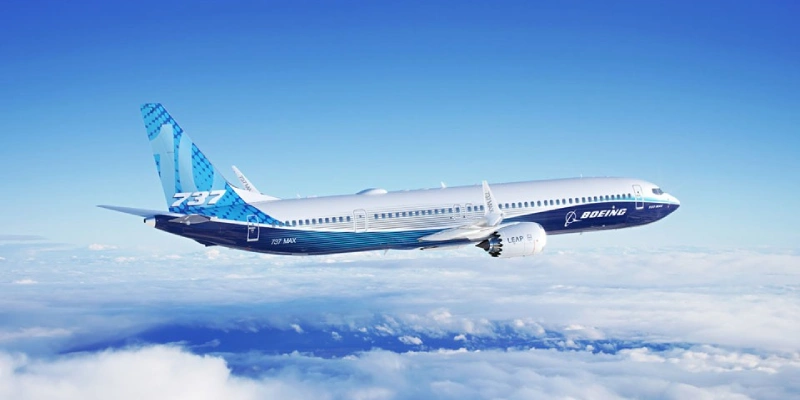
FAA Certifies Boeing 737-10: Largest Member of MAX Family Is Cleared for Deliveries
Boeing Unveils Dataliner: Next-Gen AI-Powered Aircraft Data Platform


Plataforma Informativa de Aviación Comercial con 13 años de trayectoria.