Iberia Receives Its Seventh Airbus A321XLR





Just hours before the close of 2025, Iberia received a new A321XLR, bringing its fleet of this model to seven units. The aircraft, registered as EC-ORE, was delivered from the Airbus plant in Toulouse and is now in Madrid, ready to be integrated into the airline’s operations.
The arrival of this aircraft reinforces a key commitment within the company’s medium- and long-term planning, as it continues to advance in modernizing its fleet and improving its intercontinental network.
A Further Step Within the Flight Plan 2030
The addition of the seventh A321XLR is part of the Flight Plan 2030, presented by Iberia this year. Through this roadmap, the airline plans to renew and expand its long-haul fleet to reach 70 aircraft.
The plan involves a total investment of 6 billion euros, aimed not only at the fleet but also at digitalizing services, improving the customer experience, and opening new routes. In this context, the A321XLR plays a decisive role due to its versatility and operational efficiency.
A Model That Marks a Milestone in Commercial Aviation
In November 2024, Iberia became the world’s first airline to operate the Airbus A321XLR, a model that has represented a significant advance in transatlantic connectivity. Its design combines extended range with lower operating costs, opening up new possibilities for long-haul routes with specific demand.
Since its first commercial flight to Boston, this aircraft has become a strategic pillar for strengthening the company’s intercontinental network.
→ Iberia to Strengthen its Presence in the New York Area with a New Daily Flight to Newark
More Frequencies and New Routes from Madrid
Thanks to the range and efficiency of the A321XLR, Iberia has been able to increase frequencies on key routes such as Boston, Washington, and Puerto Rico. Furthermore, the model has enabled the exploration of new market opportunities, such as direct connections to Recife and Fortaleza, expanding the offering of non-stop flights from Madrid to northern Brazil.
This flexibility allows for better adaptation to demand and helps provide passengers with more travel options.
A More Flexible Long-Haul Fleet
In 2019, Iberia placed an order for eight Airbus A321XLR units as part of its growth strategy in the intercontinental segment. With seven aircraft already in service and an eighth unit expected in 2026, the airline is progressively fulfilling that commitment.
The combination of different long-haul models—the A350, A330, and A321XLR—allows for capacity to be tailored to each market, optimizing aircraft utilization and offering a greater number of frequencies. All of this translates into better schedules and more connection alternatives for customers.
Efficiency and Comfort Onboard
The A321XLR has established itself as one of the most efficient aircraft on the market, with fuel savings of up to 40% compared to wide-body models. This characteristic makes it possible to cover transatlantic routes with a single-aisle aircraft while maintaining the quality standards typical of Iberia’s long-haul service.
The aircraft features the new Airspace cabin, with larger overhead compartments, LED lighting, and an enhanced sense of spaciousness. The configuration includes two classes, Business and Tourist, with a total of 182 seats, designed to offer a comfortable experience on long-haul flights.
With this seventh A321XLR unit, Iberia reinforces a strategy focused on efficiency, connectivity, and adaptation to an ever-evolving market, solidifying its position in the long-haul sector from Madrid.
Related Topics
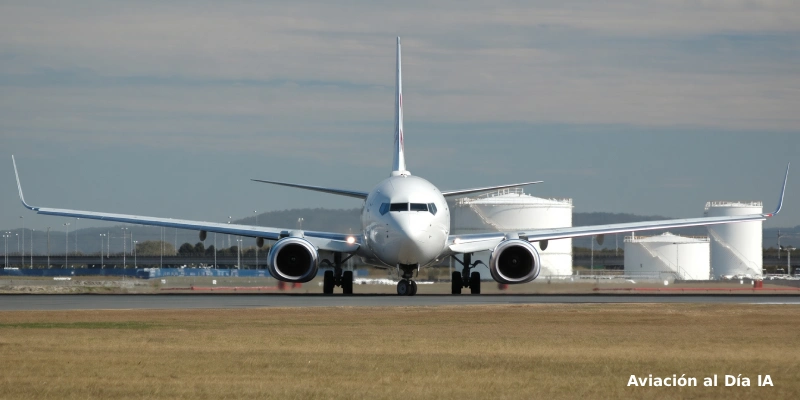
FAA Mandates Inspections on Nearly 2,000 Boeing 737 NGs Over Horizontal Stabilizer Oscillations
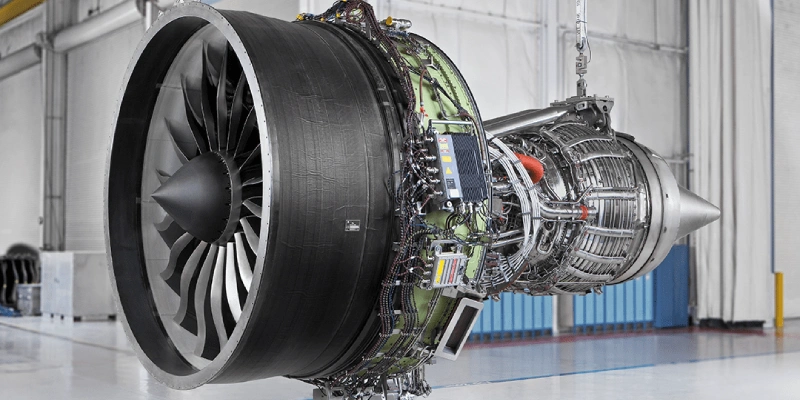
GE Aerospace Ramps Up GEnx Deliveries, Outpacing Boeing 787 Handover Rate
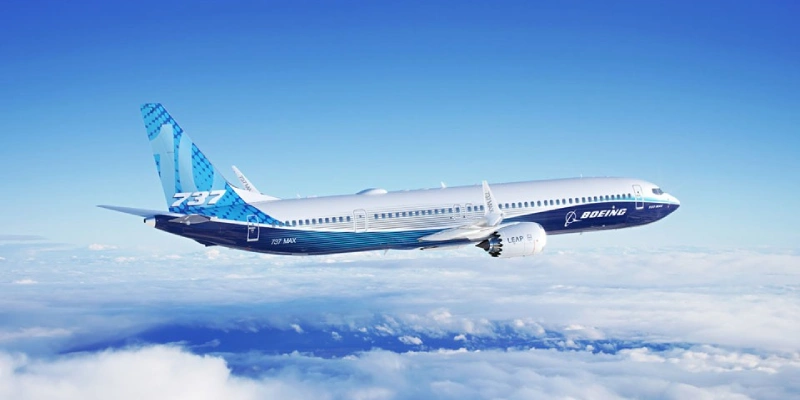
FAA Certifies Boeing 737-10: Largest Member of MAX Family Is Cleared for Deliveries

Boeing Unveils Dataliner: Next-Gen AI-Powered Aircraft Data Platform

Plataforma Informativa de Aviación Comercial con 13 años de trayectoria.