

American Airlines has announced a US$1 billion investment for the expansion of Concourse D at Miami International Airport (MIA). This project marks a new chapter in the infrastructure of the company’s primary international hub.
The announcement was led by CEO Robert Isom, joined by representatives from Miami-Dade County, the Miami-Dade Aviation Department, and local, state, and federal authorities. The plan involves the reconfiguration of the D60 area, aiming to improve operations, optimize the customer experience, and reinforce Miami’s position as the premier gateway to the United States from Latin America.
A Structural Project: 17 New Gates and Capacity for Larger Aircraft
The expansion of Gate D60, with construction scheduled to begin in 2027, features a three-level extension of Concourse D. Currently designed for small regional jet operations, the new development will incorporate 17 new boarding gates equipped to handle larger aircraft and eliminate the need for outdoor boarding.
The redesign will replace the current shared boarding area layout with contiguous spaces for each gate, improving passenger flow and increasing available space.
Key project highlights include:
- Three-level infrastructure.
- Capacity for wide-body aircraft.
- Elimination of remote boarding.
- Spacious and bright interior environments.
- Addition of new dining and retail options.
- Indoor palm trees as a distinctive architectural element.
Miami-Dade County Mayor Daniella Levine Cava described the expansion as one of the most significant upgrades within the airport’s comprehensive modernization plan. This initiative seeks to transform the passenger experience “from the cockpit to the curb” over the next five years.
→ American Airlines Seeks Authorization to Fly to Caracas and Maracaibo from Miami
Miami: American Airlines’ Strategic International Gateway
The scale of this investment reflects Miami’s specific importance within American’s global network. Currently, the airline operates approximately 400 daily departures from MIA, connecting to 155 destinations across 45 countries.
American accounts for more than 60% of total traffic at MIA, solidifying the airport as its primary international gateway. From this hub, it offers a leading network to Latin America and the Caribbean, providing access to more than 90 unique destinations served exclusively by the company at this airport. Among the new routes announced this year are Milan (Italy) and Bimini (Bahamas), further extending the reach of its network.
Economic Impact and Local Commitment
The relationship between American and Miami spans nearly four decades. The airline is the largest for-profit employer in the county and maintains partnerships with educational institutions, such as the George T. Baker Aviation Technical College and the Florida Memorial University Wyman School of Aviation, to develop local talent. Additionally, the company collaborates with numerous charitable organizations in the region.
In the area of economic development, during Liscano’s tenure as president of the Miami-Dade Beacon Council—the county’s official economic development organization—business support for the organization increased by 57%, with two consecutive years of more than US$1 million in backing. His term was also marked by two consecutive years of US$2 billion in capital investment and record job growth.
Premium Experience and Travel Digitalization
The Concourse D expansion is part of a broader “customer-first” strategy in Miami. American recently announced the opening of a new state-of-the-art Flagship Lounge and a significant expansion of the Admirals Club facilities at MIA.
Over the past year, the airline installed new self-service kiosks to streamline check-in and implemented technology that has saved thousands of connections across its network. In coordination with the Transportation Security Administration (TSA) and Customs and Border Protection (CBP), the company has advanced programs such as TSA PreCheck Touchless ID and Enhanced Passenger Processing (EPP), aimed at expediting security and migration checkpoints without compromising safety standards.
This project will solidify the infrastructure necessary to sustain the record growth the airline has been achieving at its South Florida hub.
Related Topics
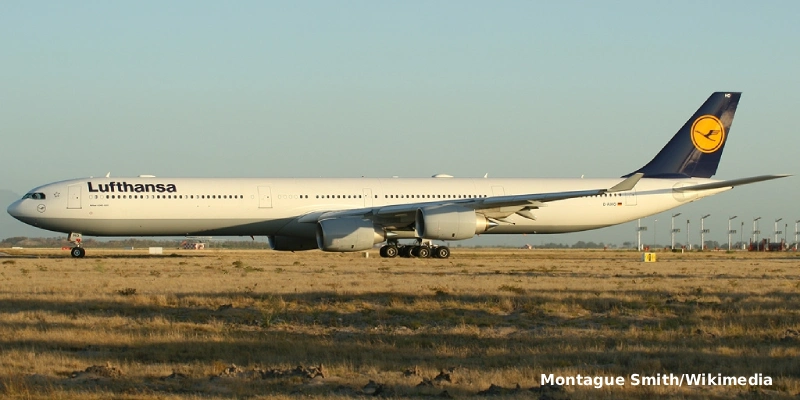
End of an Era: Lufthansa Retires Airbus A340-600 Fleet After 23 Years of Service

ITA Airways Celebrates Its Fifth Anniversary
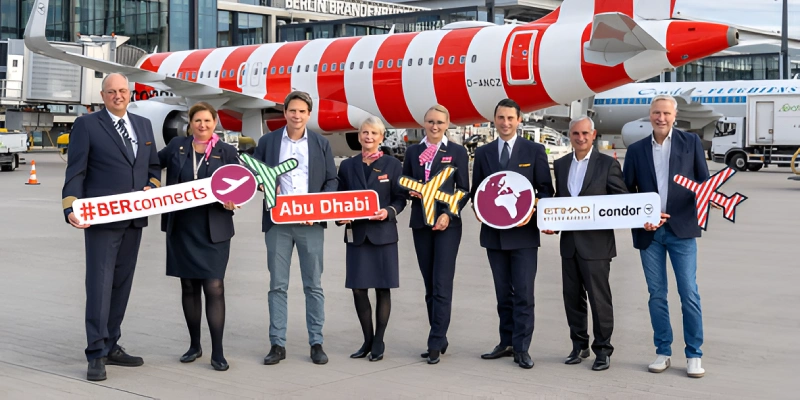
Condor Launches Daily Flights Between Berlin and Abu Dhabi

Lufthansa in Talks to Acquire Remaining 50.1% Stake in TAP Air Portugal Following Initial Entry


Un apasionado por la aviación, Fundador y CEO de Aviación al Día.