

The U.S. Federal Aviation Administration (FAA) has issued a mandatory airworthiness directive for Boeing 737 MAX 8 and 8200 models. This measure addresses an identified issue with circuit breakers that could cause the air conditioning system to malfunction, resulting in excessively high temperatures in both the passenger cabin and the flight deck.
Scope and Directive Requirements
The FAA’s mandate has a global reach, impacting a total of 2,119 aircraft worldwide, 771 of which are registered in the United States.
Operating airlines must comply with the following requirements:
- Manual Revisions: The Airplane Flight Manual (AFM) must be updated within a 30-day period.
- Operating Procedures: The objective is to provide flight crews with specific steps to follow if a particular circuit breaker trips, triggering an air conditioning failure.
Root Cause and Risks
According to the FAA, two recent in-flight incidents were reported where onboard temperatures rose abruptly. Following relevant investigations, Boeing identified that the root cause of the problem is a fault in the air conditioning system’s ground wire.
“System malfunction could cause an uncontrollably high temperature, which could result in the injury or incapacitation of the flight crew and passengers, leading to an inability to maintain safe flight and landing,” the FAA warned.
Response from Boeing and Airlines
Boeing expressed its support for the directive, which makes mandatory the guidance the manufacturer had already distributed last month. The American company stated it is currently working on an engineering solution to permanently eliminate the possibility of this electrical failure.
Regarding other models in the MAX family, the manufacturer noted:
- Certification: The fix is expected to be ready for the 737 MAX 7 and 10 models prior to their official certification.
- Timeline: This issue is not anticipated to affect the projected entry-into-service schedules for these variants.
Furthermore, Southwest Airlines, one of the carriers that experienced one of the reported incidents, confirmed it is maintaining close communication with the FAA and Boeing. The airline has already notified its crews regarding the necessary procedures to respond to this specific electrical fault.
Related Topics
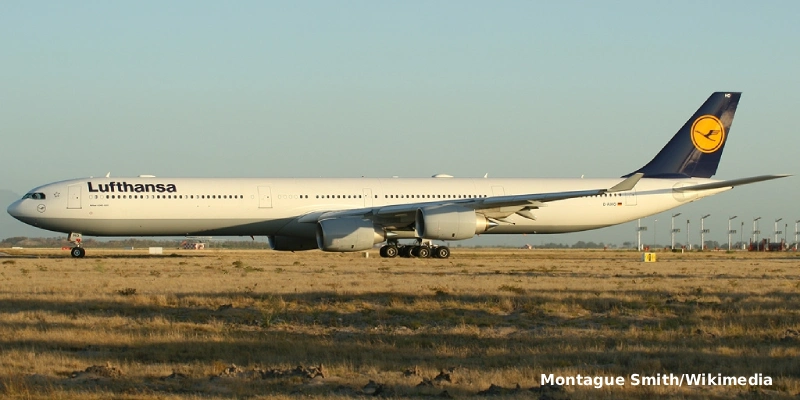
End of an Era: Lufthansa Retires Airbus A340-600 Fleet After 23 Years of Service
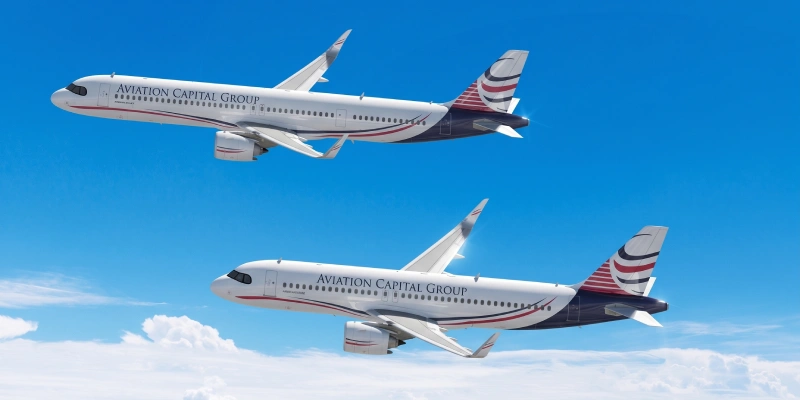
Aviation Capital Group Signs Firm Order for 75 Airbus A320neo Family Aircraft
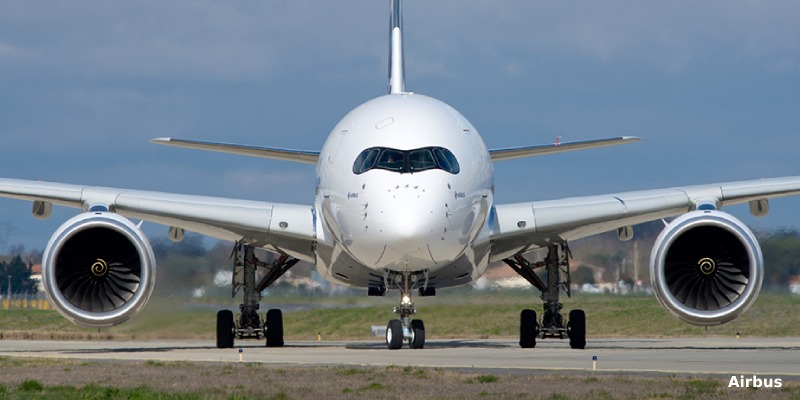
Airbus Plans to Accelerate A350 Production Ramp-Up and Evaluates Higher-Capacity Variants
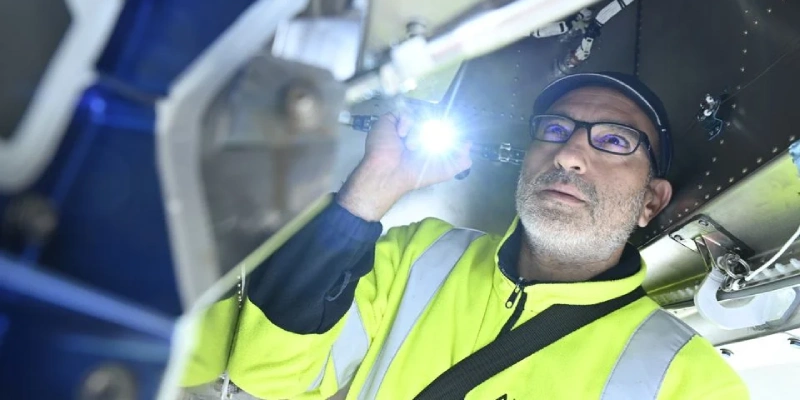
Global Aviation Services Market to Double, Surpassing $420 Billion by 2045, Says Airbus


Plataforma Informativa de Aviación Comercial con 13 años de trayectoria.