
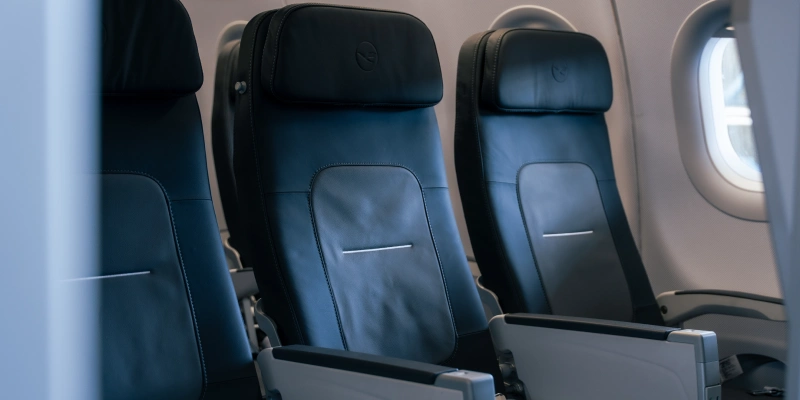
Lufthansa has launched an ambitious modernization program for its Airbus A320 fleet, aiming to strengthen its value proposition on short- and medium-haul routes. The comprehensive retrofit process began in the first half of last year and will be carried out across a total of 38 A320 aircraft. The upgrade includes new seating, higher-capacity overhead bins, and individual connectivity at every seat.
The first fully modernized aircraft, registered as “D-AIZY,” returned to service in mid-February. This marks the visible start of a transformation scheduled to continue until 2029.
A Strategic Investment in Lufthansa’s Largest Fleet
The program reflects a clear strategic decision. According to Jens Ritter, CEO of Lufthansa Airlines, the ambition is to offer a premium experience on short- and medium-haul flights, mirroring the standards of long-haul routes.
The A320 constitutes the largest fleet within Lufthansa Airlines. Consequently, the company has decided to invest in modernizing over 30 aircraft to present a high-quality, modern cabin with a design inspired by its most recent long-haul deliveries.
Technical Scope of the Retrofit:
- Scale: 38 Airbus A320s will be converted before 2029.
- Timeline: Each modernization process takes approximately 30 days per aircraft.
- Components: Around 1,000 new components from approximately 100 different suppliers are installed.
New Generation Seating: Ergonomics and Greater Recline in Business Class
A core pillar of the program is the installation of new seats supplied by the Italian manufacturer, Geven. These seats feature an advanced ergonomic design intended to provide superior comfort compared to the previous generation.
Key improvements include:
- Adjustable Headrests: Horizontally adjustable for personalized support.
- Business Class Recline: Backrests with an especially wide recline, strengthening the product differentiation in the premium cabin.
40% More Capacity in Overhead Bins
The new cabin features overhead bins that are 40% larger than the current ones. The redesign allows carry-on luggage to be stored vertically, significantly increasing the available capacity for bags and suitcases.
From an operational standpoint, this modification offers direct benefits:
- Increased Volume: Greater total volume for cabin luggage.
- Efficiency: A reduction in the time required to stow luggage.
- Boarding Speed: Potential improvements in boarding efficiency.
Furthermore, the clean design of the new compartments contributes to a more modern and organized visual perception of the aircraft interior.
USB-A and USB-C at Every Seat: Standardized Connectivity
Every seat in the modernized A320s will be equipped with individual USB-A and USB-C ports, allowing passengers to charge their electronic devices during the flight.
Additionally, all seats include a dedicated holder for tablets and smartphones, facilitating the consumption of audiovisual content on personal devices. The integration of these elements aligns with a consolidated industry trend: the use of personal devices as the primary platform for in-flight entertainment.
With the first aircraft already in service and a schedule extending through 2029, Lufthansa is moving forward with a structural renewal of its short- and medium-haul product.
Related Topics

Aeromexico Plans to Launch Flights to Caracas in Q1 2027 and Evaluates Making Santiago Seasonal Route Year-Round
Copa Airlines Ramps Up Americas-Wide Campaign for Margarita Island Ahead of Porlamar Route Launch
LATAM Airlines Strengthens Regional Leadership with Five Honors at the 2026 World Travel Awards

Copa Airlines Restores Operations Following Seismic Activity in Panama and Expands Commercial Flexibility Policies

Plataforma Informativa de Aviación Comercial con 13 años de trayectoria.