Boeing 777-9 Certification: FAA Authorizes Commencement of Phase 4





The U.S. Federal Aviation Administration (FAA) has granted Boeing authorization to advance the 777-9 program into Phase 4A of its certification testing, according to a report by The Air Current. This milestone represents critical progress for the long-range twin-engine jet, validating that various aircraft systems are finally ready for intensive evaluations—both in the air and on the ground—to demonstrate compliance with current aviation regulations.
Progress in Type Inspection Authorization (TIA)
On Tuesday, March 17, the U.S. aviation authority authorized the manufacturer to proceed with the fourth of five stages that comprise the Type Inspection Authorization (TIA). This approval follows months of oversight and was anticipated by Boeing’s Chief Financial Officer, Jay Malave, who had previously indicated during an investor conference that the green light was imminent.
The manufacturer confirmed it has received permission to begin this specific sub-phase, allowing the program to maintain the necessary momentum following delays accumulated in previous years.
→ Boeing Outpaces Airbus in February Aircraft Deliveries
Structure and Complexity of Phase 4
The current stage of the certification process is not a single block; rather, it is divided into two strategic sections to optimize testing schedules:
- Phases 4A and 4B: Both sections combined account for a testing volume similar to Phase 3, which began in November 2025.
- Execution: One of the operational advantages of the process is that phases can be executed concurrently using multiple test aircraft.
- Overlap: This means that authorization for a new phase does not strictly depend on the total completion of previous ones.
- Systems Evaluation: The primary objective of Phase 4A is to subject the aircraft’s systems to rigorous regulatory compliance examinations before the FAA.
Path Toward Entry into Service
With Phase 4 underway, the certification horizon for the Boeing 777-9 is beginning to take clearer shape. Once this stage is surpassed, the program will enter its final stretch.
Phase 5 and Final Validations
Phase 5 is projected as a limited series of tests that will serve as a prelude to Extended Operations (ETOPS) validations. These are fundamental for the model to operate long-haul transoceanic routes efficiently.
Subsequently, Function and Reliability (F&R) testing will be conducted. These final validations are of utmost importance, as they mandatorily require the use of an aircraft in delivery configuration, ensuring that the final product received by airlines meets the safety and operational standards promised by the manufacturer.
Related Topics
Airbus Detects Quality Issue on A321neo
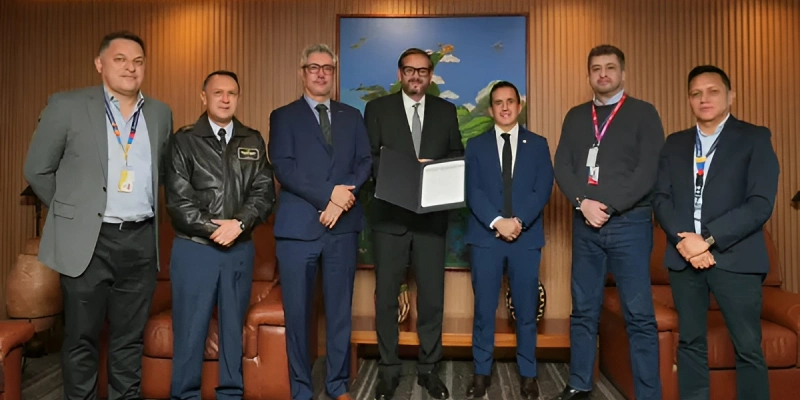
Aerocivil, Airbus, and Avianca Sign Technical Alliance to Enhance Airspace Safety Redesign in Bogotá

Airbus Invests £150 Million in the UK to Accelerate A321 Production Ramp-Up
Airbus Posts 9% Rise in Aircraft Deliveries Through August, Stays on Track for Full-Year Target
Plataforma Informativa de Aviación Comercial con 13 años de trayectoria.