

Dubai International Airport began a gradual recovery of operations this Monday after a drone attack triggered a fire in a fuel storage tank. The incident, which forced a temporary suspension of all flight activity, highlights the mounting challenges facing commercial aviation amid the ongoing crisis in the Middle East.
Immediate Impact on Air Operations
The Dubai Civil Aviation Authority (DCAA) confirmed a “gradual resumption” of services to selected destinations following the preemptive closure of the airspace. The attack, occurring during the third week of the conflict involving U.S. and Israeli forces against Iran, caused significant disruptions to airline schedules:
- Emirates: The flag carrier estimated a partial restart of flight operations beginning at 06:00 GMT.
- Cancellations: Despite the restart, the airline was forced to cancel multiple frequencies scheduled for Monday.
- flydubai: Emirates’ sister airline temporarily suspended its operations as a safety precaution.
- Other Operators: Carriers including Air India and Air India Express cancelled all scheduled services to Dubai for the duration of the day.
→ Emirates Deploys Airbus A350 to Montreal and Debuts Premium Economy in Canada
Diversions and Emergency Logistics
The situation compelled authorities to divert inbound aircraft to alternate airfields. Some flights were rerouted to Al Maktoum International Airport (DWC). In other instances, such as an Emirates flight originating from Rome, the aircraft performed a diverted landing at the inland city of Al Ain. Given the uncertainty, the airline briefly considered transporting passengers by land—a 130 km journey—before the airspace was officially reopened.
Economic and Logistical Consequences in the Region
The conflict has transformed the Gulf, a strategic global aviation hub, into a high-volatility zone. The repercussions extend far beyond operational delays:
- Freight Costs: Air cargo rates have surged by up to 70% on specific routes.
- Consumer Prices: Reports indicate an increase in fuel surcharges and ticket prices, impacting both tourism and the transport of critical supplies, including pharmaceuticals.
- Tourism: Instability threatens a regional sector valued at $367 billion annually, as the constant risk of attacks keeps aircraft in prolonged holding patterns.
Currently, regional air traffic is operating at approximately 50% of its standard levels. Although flight volumes have shown a slight upward trend since the onset of hostilities, airspace security remains the primary concern for global airlines utilizing the Gulf as an international gateway.
Related Topics

British Airways Unveils New Cabins for Airbus A380 Fleet as Part of Multi-Million Pound Customer Experience Investment

LOT Polish Airlines Launches Direct Flights Between Warsaw and Bangkok
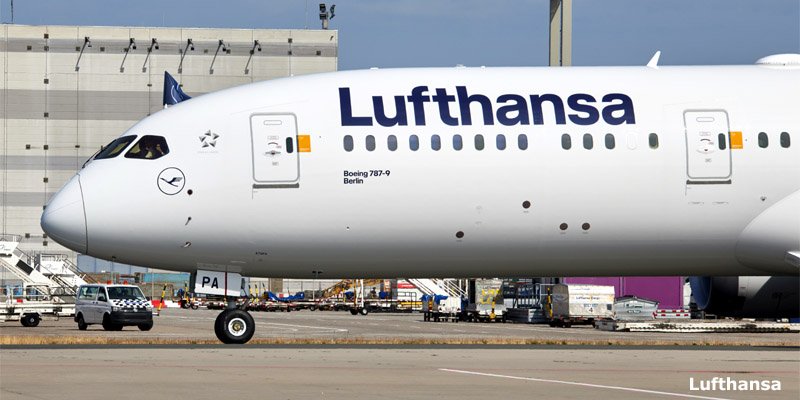
Lufthansa Group Boosts Connectivity to Japan, Reaching Up to 50 Weekly Flights in Summer 2027

British Airways Launches Multi-Million-Pound Heathrow Airport Lounge Transformation


Plataforma Informativa de Aviación Comercial con 13 años de trayectoria.