LaGuardia Airport Faces Second Day of Delays and Cancellations Following Collision
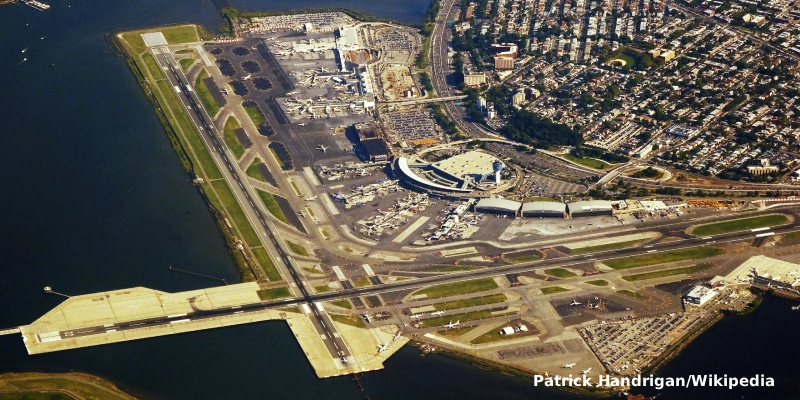




New York’s LaGuardia Airport (LGA) is facing its second consecutive day of severe operational disruptions following Sunday night’s fatal collision between an Air Canada Express jet and a fire truck. The incident, which occurred on the active runway during the landing roll, claimed the lives of both pilots and left nine others with serious injuries.
Impact on Operations and Runway Closures
Operational capacity at the New York hub has been seriously compromised. According to the Federal Aviation Administration (FAA), one of the airfield’s two primary runways is not expected to reopen until Friday. This reduction in infrastructure capacity has triggered a domino effect across flight schedules:
- Massive Cancellations: As of 9:45 a.m., the portal FlightAware reported 221 cancelled flights, representing 20% of the total operation.
- Significant Delays: At least 214 flights have been delayed, with the FAA issuing warnings of increased wait times throughout the remainder of the day.
NTSB Investigation: Black Boxes and Communications
The National Transportation Safety Board (NTSB) has taken lead of the technical investigation. The agency’s Chair, Jennifer Homendy, confirmed the recovery of both the Flight Data Recorder (FDR) and the Cockpit Voice Recorder (CVR)—the “black boxes”—from the CRJ-900 aircraft, which was operated by Jazz Aviation.
→ Airport Infrastructure Cost-Cutting Behind Jeju Air Tragedy in South Korea
Critical Factors Under Analysis
Aviation safety experts indicate that the investigation will focus on three fundamental pillars of communication:
- The flight crew of the arriving aircraft.
- The Air Traffic Controller (ATC) on duty.
- The operators of the emergency vehicles on the taxiway/runway.
A relevant preliminary finding stems from external recordings, where a controller—apparently the one involved in the event—is heard admitting in a distressed tone: “I made a mistake,” after mentioning that he had been managing another emergency minutes prior.
Debate Over Air Traffic Control Workload
The accident has reignited alarms regarding staffing levels at control towers across major U.S. airports. According to testimony from commercial pilots, it is common at high-density airports like LaGuardia for a single controller to simultaneously handle Ground Control and Tower Control frequencies—two roles that are technically distinct and critical to operational safety.
The NTSB is scheduled to interview the involved controller, who was working the night shift at the time of the collision, shortly before midnight on Sunday.
The NTSB is expected to hold a press conference in the coming hours to detail initial findings from the black boxes and the status of interviews with ground personnel.
Related Topics
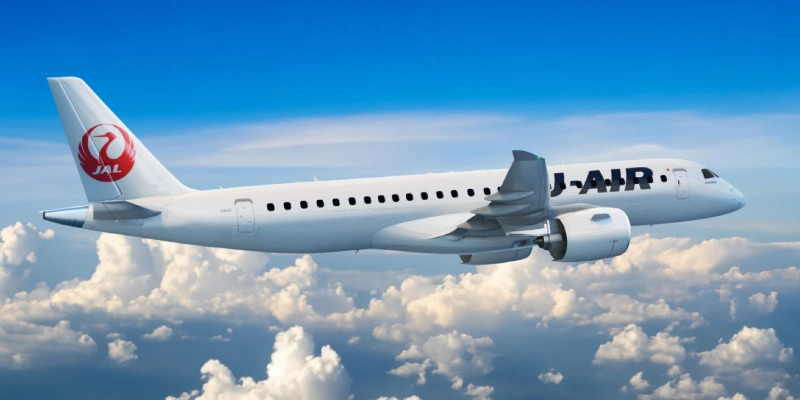
Japan Airlines Selects Embraer E190-E2 to Renew J-AIR Regional Fleet
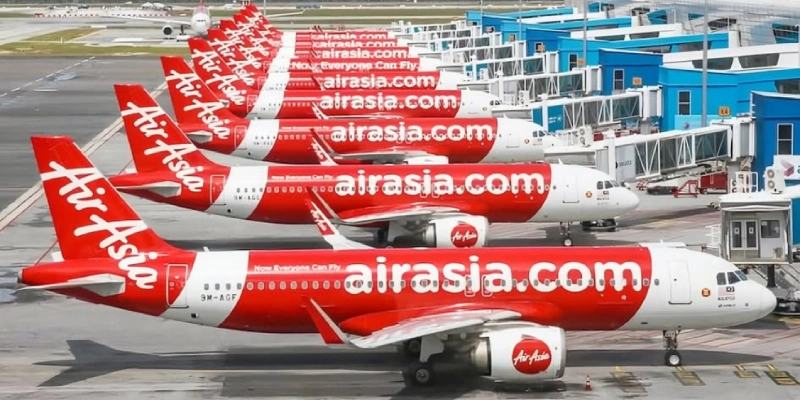
AirAsia in Talks with Malaysian Government Over Potential Financial Support Amid Economic Headwinds and Soaring Fuel Costs

LOT Polish Airlines Launches Direct Flights Between Warsaw and Bangkok
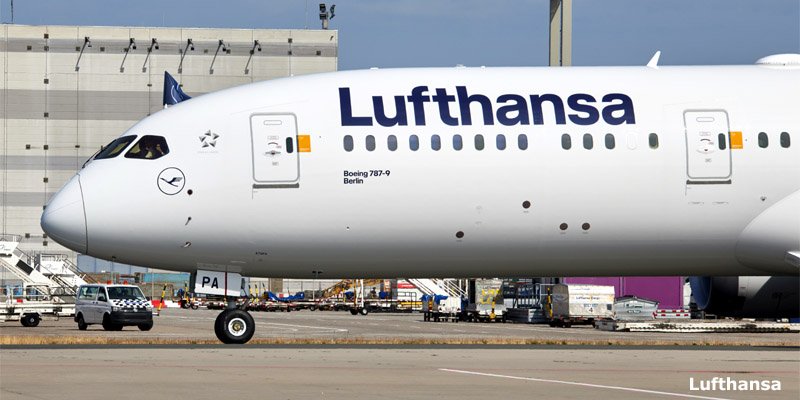
Lufthansa Group Boosts Connectivity to Japan, Reaching Up to 50 Weekly Flights in Summer 2027

Plataforma Informativa de Aviación Comercial con 13 años de trayectoria.