
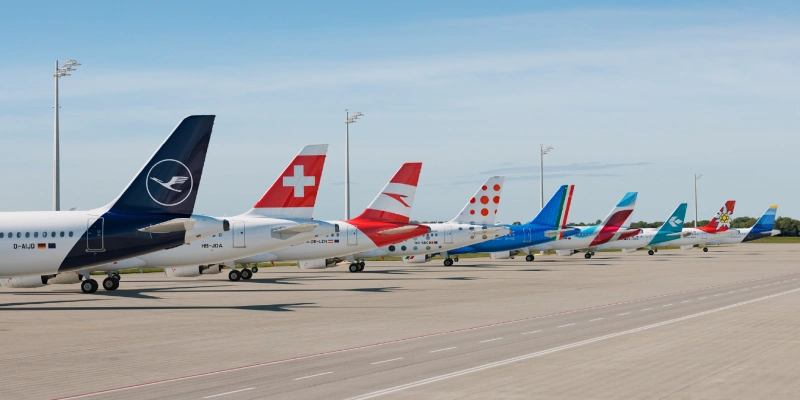
Lufthansa Group is set to significantly bolster its operational capacity for the Summer 2026 season, adding approximately 1,600 additional departures across its primary hubs. This expansion comes in response to surging demand for both business and leisure travel, allowing the group to optimize resources through strategic network adjustments.
Strengthening Connectivity with India
A cornerstone of this expansion is the reinforcement of routes toward South Asia. Lufthansa Airlines has scheduled increased frequencies from its two German hubs to key Indian destinations:
- Frankfurt: Two additional weekly flights to Chennai, two to Delhi, and one extra frequency to Hyderabad.
- Munich: One additional weekly flight to Bangalore.
Furthermore, Swiss International Air Lines (SWISS) has already integrated seven additional weekly flights to Delhi into its schedule for this period, solidifying the Group’s commitment to this emerging market.
Boosting the European Network: Sun Destinations and the Far North
In the short- and medium-haul sector, Lufthansa Group is planning a massive expansion to meet demand between April and October 2026. Approximately 540 additional flights within Europe will be operated by Lufthansa Airlines from Frankfurt and Munich, with a particular focus on the Iberian Peninsula, Greece, and Italy.
The growth will be distributed across the Group’s various carriers as follows:
- Austrian Airlines: Adding approximately 700 flights from Vienna.
- Brussels Airlines: Adding roughly 170 flights from Brussels.
- SWISS: Contributing over 100 additional flights from Zurich.
→ Lufthansa Redefines Onboard Luxury: New “FOX” First Class Experience Debuts
This strategy aims not only to serve high-demand tourist destinations in Southern Europe but also to improve availability for selected destinations in Northern Europe.
Resource Optimization and Operational Flexibility
The creation of these additional capacities is the result of a strategic adjustment to the flight program for the Middle East. By reallocating these resources, the Group can respond flexibly to shifts in passenger booking behavior, which are currently influenced by ongoing geopolitical developments.
This maneuver enables Lufthansa Group airlines to utilize their assets more efficiently, enhancing connectivity and seat availability during the peak travel season.
Market Challenges and a Volatile Environment
Despite the optimistic outlook and current high demand, the Group acknowledges that the geopolitical environment remains highly volatile and susceptible to short-term market fluctuations.
Several economic factors could influence future growth, including:
- Fuel Costs: Rising fuel prices could lead to higher ticket fares.
- Impact on Demand: While demand remains robust, previously implemented fare increases could affect passenger volumes in the long term.
As a mitigation measure, the Group is already evaluating rapid-response scenarios. These range from the cancellation of low-yield routes to the early retirement of older aircraft to ensure operational sustainability in the face of sudden environmental changes.
With the addition of these 1,600 frequencies, Lufthansa Group reaffirms its adaptability in a changing market, prioritizing destinations with the strongest demand while maintaining a close watch on operating costs and global geopolitical stability.
Related Topics
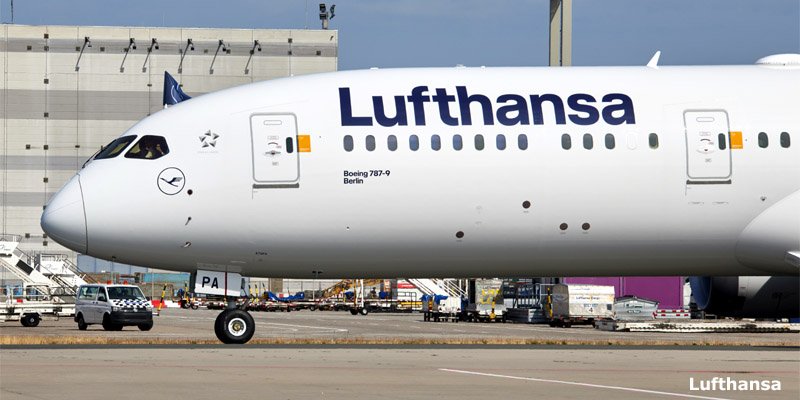
Lufthansa Group Boosts Connectivity to Japan, Reaching Up to 50 Weekly Flights in Summer 2027
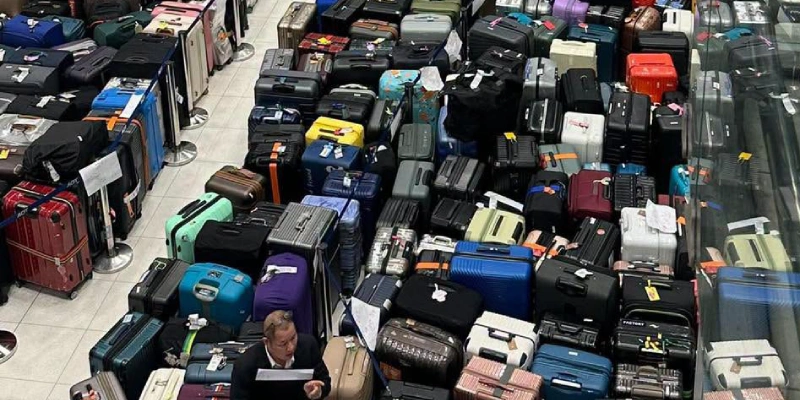
Thai Airways Cuts Flights and Faces Baggage Handling Collapse Following Severe Bangkok Flooding

Akasa Air in Talks With Boeing for Over 200 737 MAX Jets
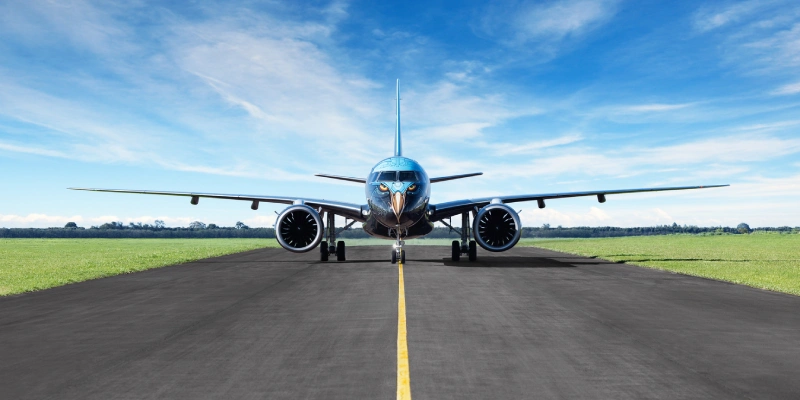
Embraer Nears Key Regional Jet Order from Japan Airlines


Un apasionado por la aviación, Fundador y CEO de Aviación al Día.