
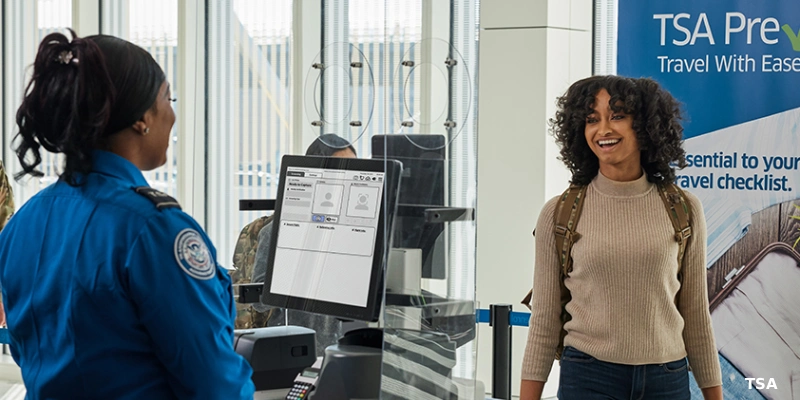
U.S. Transportation Secretary Sean Duffy has warned that the ongoing partial government shutdown threatens to paralyze operations at small airports across the country. The crisis is intensifying as approximately 50,000 transportation security officers go unpaid, triggering a surge in absenteeism that puts national aerial connectivity at risk.
Personnel Crisis and Ground Operations
Since last Sunday, roughly 10% of Transportation Security Administration (TSA) personnel have failed to report for their daily shifts. This figure represents five times the typical unscheduled absence rate, a situation already manifesting in extensive security queues at the nation’s major hubs.
The impact is uneven but remains severe at strategic locations:
- New York JFK, Pittsburgh, and Houston Bush: Reported a 30% absenteeism rate last Tuesday.
- Houston Hobby: Reached critical levels with 40% of officers off duty.
Faced with these staffing shortages, several airports have been forced to shutter security checkpoints. Concurrently, various terminals have launched fundraising efforts to assist TSA workers in purchasing food and basic necessities as the lapse in pay continues.
→ FAA Proposes Flight Reductions at Chicago O’Hare to Avert Summer Operational Collapse
Imminent Risk to Small Airports
According to statements made by Duffy during an interview with CNBC, the situation could turn critical by next week. The Secretary emphasized that March 27 marks a tipping point, as TSA personnel are set to miss their second consecutive paycheck.
“What we are seeing now will look like child’s play compared to what will happen next week. I believe we will see the closure of small airports and extensive wait lines,” Duffy stated.
The Department of Homeland Security (DHS) reported that, to date, 366 TSA officers have resigned permanently during this shutdown period.
Background and Legislative Paralysis
The current crisis stems from the Department of Homeland Security (DHS), whose funding expired on February 13. the deadlock is the result of a lack of consensus in Congress regarding immigration enforcement reforms demanded by the Democratic caucus.
The aviation industry is monitoring the scenario with deep concern, recalling the precedent set last fall. During that period, a 43-day government shutdown caused massive flight disruptions and forced the Federal Aviation Administration (FAA) to mandate a 10% reduction in operations at major airports.
Challenge Ahead of a Record Travel Season
This operational instability coincides with one of the highest demand periods of the year. Airlines are projecting an unprecedented spring travel window, with an estimated 171 million passengers. This figure represents a 4% increase compared to the same period last year.
CEOs of major carriers have issued an urgent call to end the political stalemate, warning that security infrastructure will be unable to support the passenger flow if the conflict extends beyond next week.
Related Topics
End of an Era: Lufthansa Retires Airbus A340-600 Fleet After 23 Years of Service

ITA Airways Celebrates Its Fifth Anniversary

Condor Launches Daily Flights Between Berlin and Abu Dhabi

Lufthansa in Talks to Acquire Remaining 50.1% Stake in TAP Air Portugal Following Initial Entry


Plataforma Informativa de Aviación Comercial con 13 años de trayectoria.