
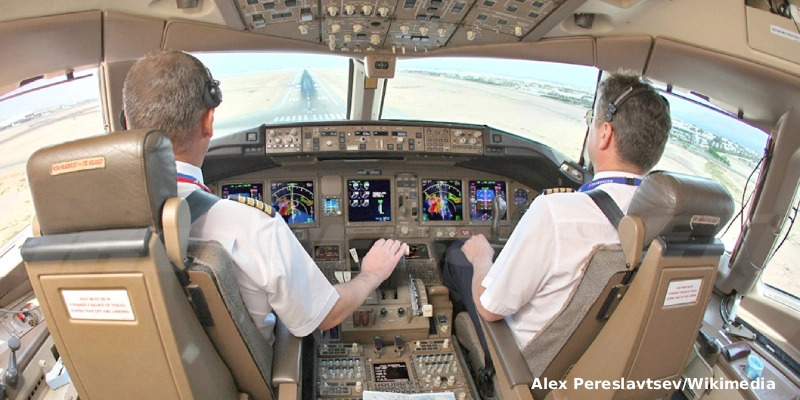
The International Federation of Air Line Pilots’ Associations (IFALPA) is warning that aviators from Lebanon to India are facing potential sanctions, including dismissal or loss of wages, when expressing safety concerns regarding operations in airspaces affected by drone and missile attacks.
A Safety Culture Under Pressure
The global pilot community has voiced widespread concern over what they consider a lack of guarantees to exercise their right to refuse flight assignments under hazardous conditions. Ron Hay, President of IFALPA and a Delta Air Lines captain, noted in a recent interview with Reuters that there is an “underlying fear of retaliation” within the industry.
According to Hay, the consequences for pilots who decide not to fly for safety reasons in the Middle East vary by carrier:
- Direct Dismissal: Some aviators fear immediate termination of their employment.
- Financial Penalties: In other cases, management communicates that while they will not lose their jobs, the rejected flight will go unpaid.
- Lack of Safety Culture: IFALPA emphasizes that these practices contradict a positive safety culture, where professionals should be encouraged to report and act upon potential risks without fear of punishment.
Impact of Conflict on Regional Operations
Despite the recent declaration of a two-week ceasefire, the situation remains volatile due to ongoing strikes. This instability has prompted the European Union Aviation Safety Agency (EASA) to extend its prohibition on European airlines operating in the airspace of several Gulf countries, including the United Arab Emirates and Qatar, until at least April 24.
However, airlines based in Dubai and Doha, as well as Indian carriers, continue to operate in the region. While Middle Eastern operators claim to prioritize safety through dedicated corridors, many pilots feel they lack the necessary support. It is important to note that major Gulf carriers are not unionized, which increases the vulnerability of crews to management decisions.
Mental Health Risks and Lack of Clear Guidance
The issue is not only operational but also human. A recent bulletin from the United Nations’ aviation agency classified mental health risks in conflict zones as “safety-critical.” Personnel operating near these areas experience elevated levels of stress, anxiety, and fatigue—factors that can compromise in-flight performance.
Key challenges reported by aviators:
- Unpredictability: Airspace closures with little to no warning due to missile launches.
- Lack of Guidance: A shortage of clear protocols on how to proceed if a destination airport closes suddenly due to an attack.
- Ground Risks: Extreme cases, such as in Beirut, where pilots have landed only to discover that routes between the airport and their homes have been bombed, leaving them without safe means of transport.
Actions by Pilot Associations
In response to this crisis, IFALPA published a technical position paper reminding airlines that pilots must have a “non-negotiable” voice in safety matters. In India, federation members urged the civil aviation regulator to suspend Air India operations to affected Gulf zones until a “centralized risk assessment” is conducted.
For its part, sources close to Air India maintain that the airline employs risk consultants who monitor route safety on a daily basis. Nonetheless, pressure persists on regulators to establish protection frameworks that prevent a pilot’s technical judgment from being penalized in favor of commercial interests.
The tension between the operational requirements of airlines and the physical and mental safety of their crews marks a turning point in crisis management in the Middle East. The ability of pilots to make decisions based exclusively on safety, without fear of reprisal, remains the fundamental pillar that the profession seeks to restore in the region.
Related Topics
LATAM Airlines Strengthens Regional Leadership with Five Honors at the 2026 World Travel Awards

Copa Airlines Restores Operations Following Seismic Activity in Panama and Expands Commercial Flexibility Policies

Arajet Resumes Direct Flights Between Punta Cana and Guayaquil

LATAM Airlines Announces Nonstop Flights Between Santiago de Chile and Caracas Starting in January


Plataforma Informativa de Aviación Comercial con 13 años de trayectoria.