
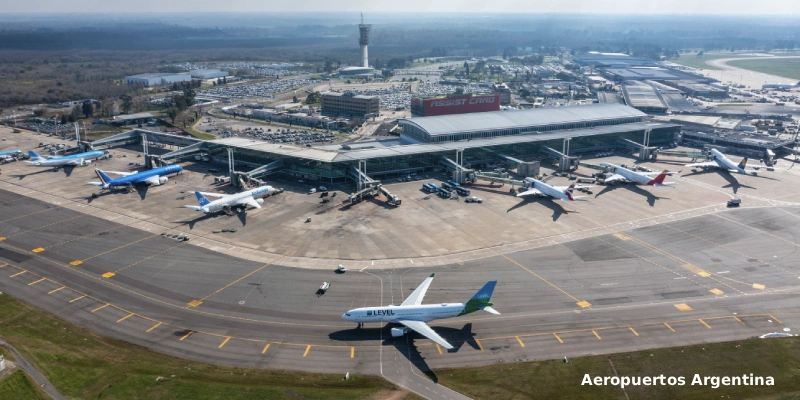
The commercial aviation sector in Argentina reached an unprecedented milestone in March 2026, establishing itself as the best March in the country’s history. With passenger volumes and international operations surpassing 2025 records, the industry maintains a trajectory of sustained growth and nationwide expansion.
Record Figures: Passenger Volume Reaches Unprecedented Levels
According to official data from the National Civil Aviation Administration (ANAC), 4,636,151 passengers traveled through airports across the country during March 2026. This figure represents a 3% increase compared to the previous record set in March 2025, which saw 4,481,883 users.
Regarding flight operations, a total of 35,956 aircraft movements were recorded. These indicators confirm a new historical peak for the industry in Argentina during the third month of the year.
Consolidation of the Domestic Market and Federal Connectivity
The domestic flight segment showed remarkable strength, reaching 2,980,406 passengers. This volume is 9% higher than the levels recorded in March 2023, consolidating the strategic role of internal traffic in Argentina’s federal connectivity.
Several air terminals in the country’s interior reported significant growth compared to the previous year:
- Resistencia: +80% passengers
- Trelew: +49% passengers
- Bahía Blanca: +30% passengers
- Catamarca: +22% passengers
- Viedma: +16% passengers
Surge in the International Segment and Regional Prominence
The international market also experienced its best historical performance for the month of March, reaching peaks in both passenger numbers and flight frequencies.
- International Passengers: 1,655,745 travelers were recorded, representing a 17% growth compared to March 2025.
- International Movements: 10,772 operations were conducted, exceeding the previous historical mark by 15%.
Toward Greater International Decentralization
A key aspect of this period is the trend toward the decentralization of connectivity. A total of 255,795 passengers traveled abroad directly from regional airports without the need to transit through Buenos Aires. This volume represents an exponential leap of 162% compared to 2023 and 43% compared to 2025.
The regional airports with the highest year-on-year growth in international traffic were:
- Rosario: +73%
- Córdoba: +64%
- Jujuy: +48%
- Aeroparque: +18%
- Ezeiza: +11%
The strengthening of these indicators reflects the robust nature of Argentina’s connectivity and confirms its process of expansion and strategic positioning within the region and the global market.
Related Topics

Avianca to Permanently Resume Direct Flights Between Cali and Miami

U.S. Airlines Prioritize High Fares Over Load Factors to Counter Soaring Jet Fuel Costs

Record Revenue, Red Ink: Fuel Costs Take a Toll on American Airlines in Q3 2026

Southwest Posts Record Q3 2026 Operating Revenue, Accelerates Commercial Transformation


Plataforma Informativa de Aviación Comercial con 13 años de trayectoria.