FAA to Invest $16.5 Million to Equip Airport Vehicles with Transponders Following LaGuardia Accident




The Federal Aviation Administration (FAA) has announced a multi-million dollar investment to install transponders across its fleet of ground vehicles. This measure aims to close visibility gaps and prevent runway incursions following a fatal collision in New York.
Strengthening Surface Operational Safety
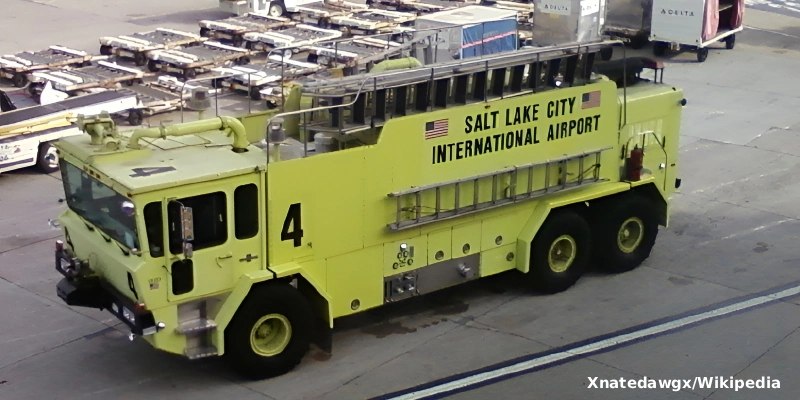
Following the tragic accident in March at LaGuardia Airport—where an Air Canada Express jet collided with a fire truck—the U.S. aviation authority has moved to take immediate action. The investigation revealed that the emergency vehicle was not equipped with a transponder, preventing its exact location from being transmitted to Air Traffic Control (ATC).
Under the leadership of FAA Administrator Bryan Bedford, the agency will allocate $16.5 million for the procurement and installation of these devices. According to Bedford, this technology is essential to eliminating critical blind spots on the nation’s runways and taxiways.
→ U.S. Plans $22 Billion Investment to Modernize Washington Dulles International Airport
Technological Deployment and Program Scope
The FAA’s implementation plan involves a large-scale execution to maximize ground safety:
- Affected Fleet: Approximately 1,900 vehicles will be equipped.
- Coverage: The initial rollout will reach 264 airports that currently operate, or are slated to operate, surface surveillance technology.
- Technical Function: Transponders allow controllers to identify and track the real-time position of every vehicle, integrating them into the airport’s situational awareness system.
Furthermore, the Port Authority of New York and New Jersey, which manages the major airports in the metropolitan area, confirmed last month that it would add these devices to all vehicles operating near active runways.
Lessons Learned and Federal Funding
A report from the National Transportation Safety Board (NTSB) indicated that during the LaGuardia incident, the airport’s ground surveillance system failed to generate any alerts regarding the proximity of the vehicles to the landing strip.
To accelerate this technological transition nationwide, the FAA emphasized that airports may utilize federal grants to fund transponder installations. To date, more than 50 air terminals have formally expressed interest in accessing these resources to enhance their operational safety standards.
Related Topics

Avianca Strengthens Cross-Border Network: Launches Daily Flights Between Bogotá and Maracaibo, Venezuela

LATAM to Expand International Connectivity With New Direct Route Between Santiago de Chile and Salvador de Bahia

Copa Airlines Resumes Caracas Flights in September Following Earthquakes

Aerolíneas Argentinas Boosts International Network With Two New Southern Summer Destinations: Curaçao and Cartagena

Plataforma Informativa de Aviación Comercial con 13 años de trayectoria.