

United Airlines Chief Executive Officer Scott Kirby confirmed that the carrier will not pursue any consolidation within the aviation sector for the foreseeable future. The decision comes weeks after American Airlines formally rejected a merger proposal that would have redrawn the U.S. commercial aviation landscape.
End of the “Great Transaction” in the U.S. Market
Speaking at a Bernstein investor conference, Scott Kirby explained that he has always maintained the stance that only a “great transaction” made economic sense for United Airlines. However, he acknowledged that executing a move of such magnitude requires a willing partner—a condition that currently does not exist.
The consolidation attempt took shape in late February, when Kirby floated the idea of a merger with American Airlines during a meeting with U.S. President Donald Trump. The move aimed to execute the largest airline consolidation in the country in over a decade.
Nevertheless, American Airlines Chief Executive Officer Robert Isom flatly rejected the alliance. Isom characterized the proposal as anticompetitive and detrimental to consumers, using a metaphor to illustrate the situation: he stated that both companies would remain “roommates” at Chicago’s airport, but they were “not getting married.”
United Rules Out Smaller Deals and JetBlue Option
Following the collapse of talks with American Airlines, speculation arose among investors regarding the possibility of United Airlines attempting to acquire a smaller carrier. Kirby was emphatic on the matter:
- Smaller Deals: He labeled the idea of pursuing smaller transactions as “idiotic” and assured that “that is definitely not the plan.”
- JetBlue Airways Case: The executive shut down rumors regarding a potential interest in the carrier. He explained that for a deal with JetBlue to be viable, United would need to improve the airline’s margin by approximately 25 percentage points, something he described as “mathematically near impossible.”
→ JetBlue and United Airlines Activate Reciprocal Loyalty Benefits Under ‘Blue Sky’ Alliance
Future of Ultra-Low-Cost Carriers
Kirby’s analysis was not limited to his own airline; he also anticipated a contraction scenario for Ultra-Low-Cost Carriers (ULCCs). According to the executive, these companies will become “materially smaller” due to two primary factors:
- Rising airport costs.
- Intense competition from larger legacy carriers.
In the United Airlines CEO’s view, discount airlines expanded outside their profitable niche and will now be forced to retreat to leisure and vacation routes, where their business model actually generates revenue.
Financial Outlook: Double-Digit Margins in Sight
Despite not finalizing the merger, United Airlines maintains a robust financial outlook. Kirby expressed growing confidence that the airline will achieve double-digit pre-tax margins next year.
This target will be supported by moderating oil prices and passenger demand that has remained resilient. In fact, the company was on track to post double-digit margins this year before armed conflict in Iran drove up fuel prices.
While United expects to recover slightly less than 50% of the fuel impact in the current quarter, the recent drop in crude prices has eased the path toward a full recovery. Finally, Kirby highlighted that the airline has not seen a significant drop in demand following fare hikes. Although he remains attentive to consumer price sensitivity, the overarching strategy remains unchanged, limited solely to pulling capacity from specific flights that were operating at a loss.
Related Topics
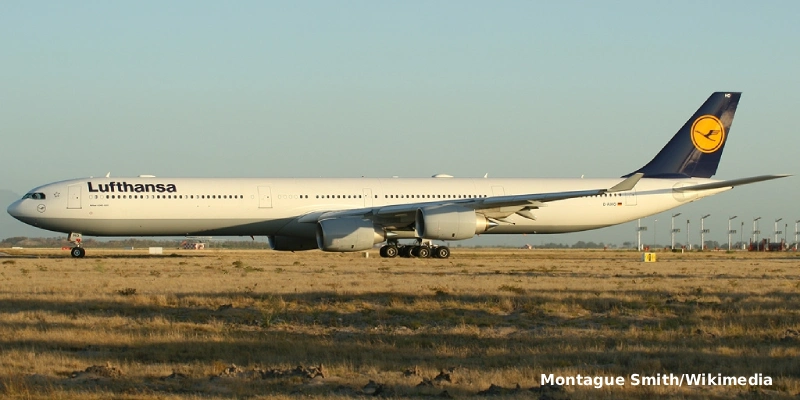
End of an Era: Lufthansa Retires Airbus A340-600 Fleet After 23 Years of Service

ITA Airways Celebrates Its Fifth Anniversary
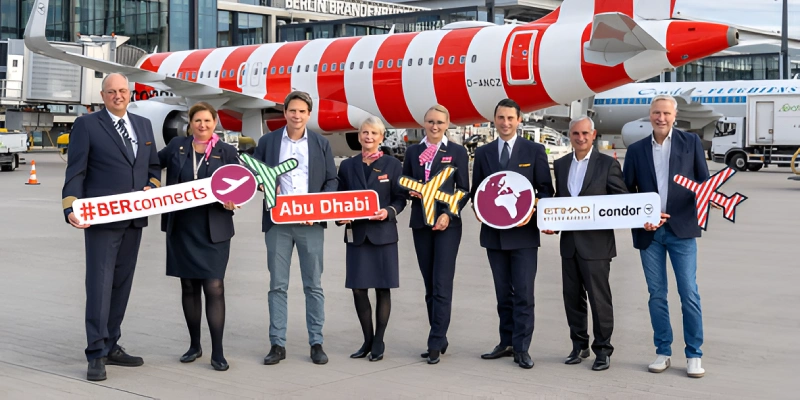
Condor Launches Daily Flights Between Berlin and Abu Dhabi

Lufthansa in Talks to Acquire Remaining 50.1% Stake in TAP Air Portugal Following Initial Entry


Plataforma Informativa de Aviación Comercial con 13 años de trayectoria.