

Airbus has officially commissioned a new assembly line dedicated to the A321neo, the bestselling aircraft in its catalog. This facility represents the second of its kind to be integrated into the aerospace giant’s sprawling Toulouse plant in southern France—a site originally designated for the production of the world’s largest passenger airliner, the A380.
Addressing aviation workers and political leaders, Airbus CEO Guillaume Faury emphasized that manufacturing mid-range narrowbody jets like the A321neo is “at the heart of Airbus’s strategy.” The opening of this line directly aims to alleviate production bottlenecks for single-aisle aircraft amid surging global demand.
Criticism of European Competitiveness and Regulatory Barriers
During the inauguration ceremony, which was attended by French politicians and the country’s transport minister, the aerospace company’s CEO criticized the economic and regulatory conditions within the European bloc. Faury specifically highlighted the adverse impact of rising labor and energy costs across the region.
Faced with this economic landscape, the executive stated bluntly:
Cost of European regulatory barriers is “absolutely horrendous.”
Furthermore, Faury stressed that the issue of industrial competitiveness must become a priority agenda item ahead of next year’s French presidential election.
→ Air Canada Ushers in “Glowing Hearted” Era with First Commercial Airbus A321XLR Flight
Industrial Reconfiguration: The Response to Boeing
The repurposing of the former A380 facility reflects a broader global trend shared with its American rival, Boeing. Both corporations are reconfiguring their historic widebody manufacturing plants to accommodate the production of smaller aircraft, which currently dominate the commercial aviation market.
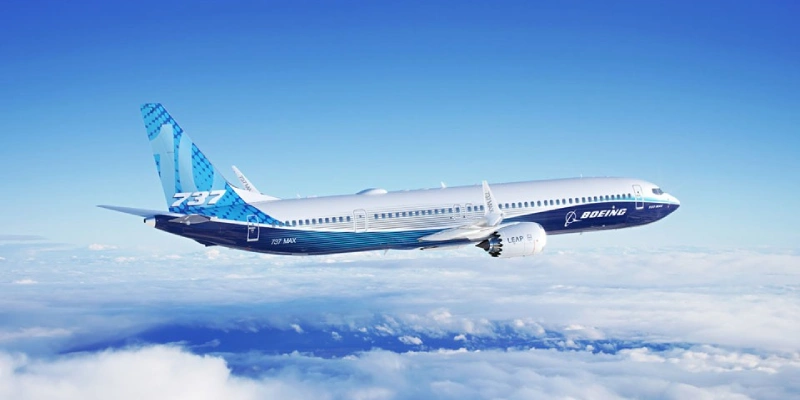
- Boeing’s Strategy: The US manufacturer is currently expanding production of its competing model, the 737 MAX, by utilizing the former assembly space of its iconic 747 jumbo jet.
- Commercial Performance: Although the Boeing 747 ultimately outsold and outlasted the Airbus A380, the current market dynamic in the mid-range segment favors the European airframer. Last year, the Airbus A320 family surpassed Boeing’s recently troubled 737 program to become the world’s bestselling commercial airliner series.
With the ramp-up of this new final assembly line (FAL) in France, Airbus aims to clear supply chain bottlenecks within its single-aisle production network. Concurrently, executive leadership continues to apply political pressure on French and EU authorities to mitigate regulatory costs that threaten the competitive edge of domestic industries in the global marketplace.
Related Topics

Akasa Air in Talks With Boeing for Over 200 737 MAX Jets
Alaska Air Targets Boeing 737 MAX 10 Certification by Late September
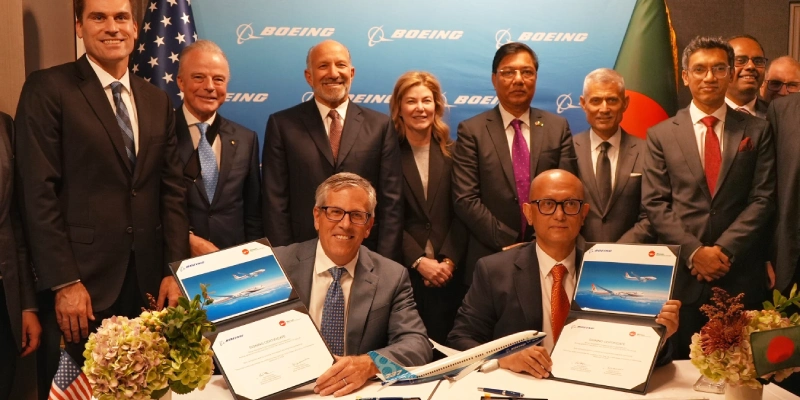
Biman Bangladesh Airlines Expands Fleet with Follow-on Order for 11 Boeing Jets
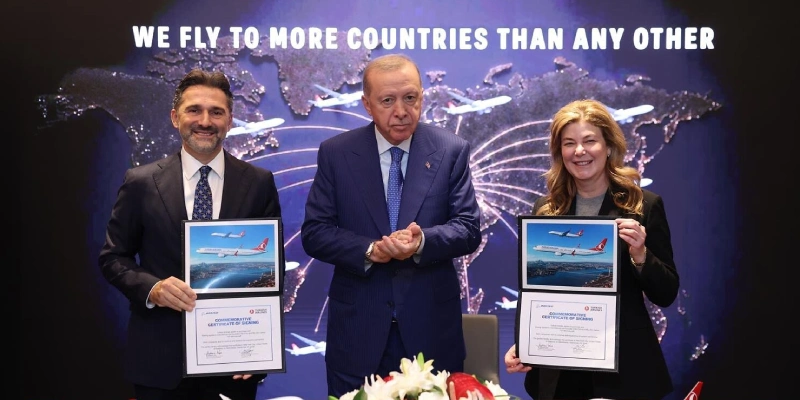
Turkish Airlines and Boeing Finalize Historic Order for Up to 150 737 MAX Jets


Plataforma Informativa de Aviación Comercial con 13 años de trayectoria.