
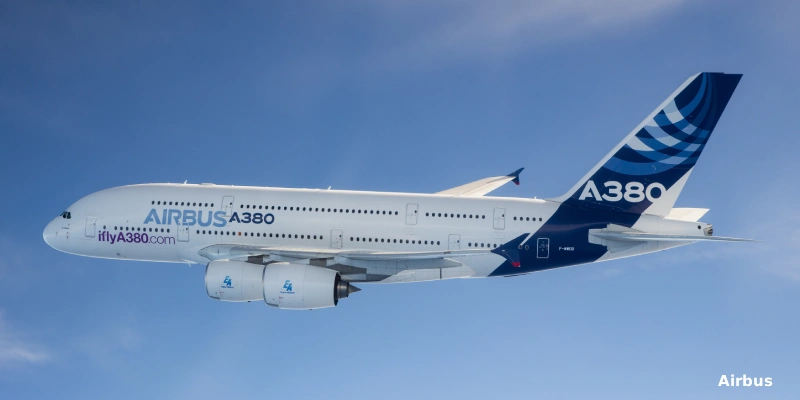
The European Union Aviation Safety Agency (EASA) has mandated that certain Airbus A380 operators perform additional special inspections on their aircraft’s wings. The measure was implemented following the detection of potential cracks in the wing structure, which poses a potential unsafe condition.
Airworthiness Directive Details
On June 22, EASA issued an airworthiness directive (AD) detailing the technical status of the world’s largest passenger airliner. According to the regulatory body, it has been determined that cracks detected on certain aircraft could significantly reduce the structural integrity of the wing.
To address this issue, European manufacturer Airbus determined that it is necessary to conduct an additional detailed special inspection on the potentially affected units.
→ Airbus Inaugurates New A321neo Assembly Line in Toulouse
Affected Operators and Airbus A380 Fleet
The directive specifies that the additional checks will not apply to the entire global fleet, but rather to a select group of aircraft:
- A total of 16 aircraft worldwide are mandated to undergo these additional inspections.
- Emirates is the most affected airline, with a total of 15 units designated for inspection. Notably, Emirates is the world’s largest A380 operator, with more than 100 of these double-decker aircraft in its active fleet.
- Qantas Airways operates the single remaining unit that completes the list of the 16 aircraft under structural scrutiny.
History of Structural Issues on the Type
This technical setback echoes past challenges for the European manufacturer regarding the A380. In 2012, airlines were forced to ground their aircraft for several weeks after cracks were discovered in various wing components.
That wing crack crisis not only impacted confidence in the aircraft type, but it also cost Airbus hundreds of millions in repair and maintenance expenses, in addition to causing severe delays in the delivery schedule to customer airlines.
Current Status of the Superjumbo
Today, Airbus no longer manufactures the double-decker aircraft. Production of the A380 ended following a sharp decline in global demand, as commercial airlines began favoring smaller, more fuel-efficient aircraft for their long-haul routes. The new inspections mandated by EASA aim to ensure the operational safety of the units that remain in commercial service.
Related Topics

FAA Clears Path for Boeing 737 MAX 10 Certification After Dismissing Flight Software Safety Risks
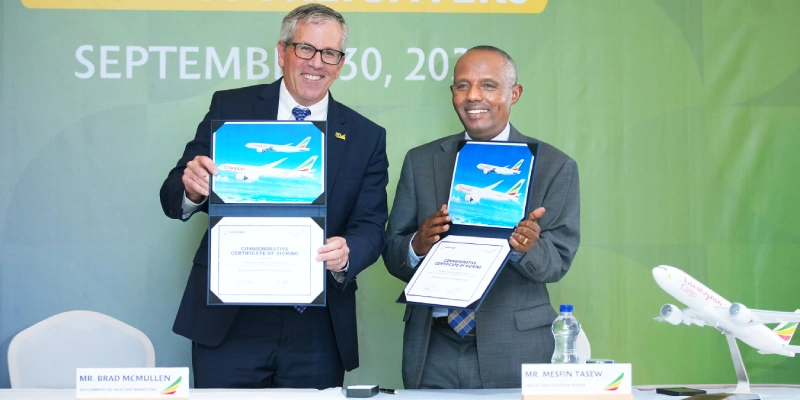
Ethiopian Airlines Orders Ten Boeing Freighters: Eight 777-8Fs and Two 777Fs to Boost Global Logistics Network

US Transportation Secretary Rules Out Safety Risks From Boeing 737 MAX Software Glitch
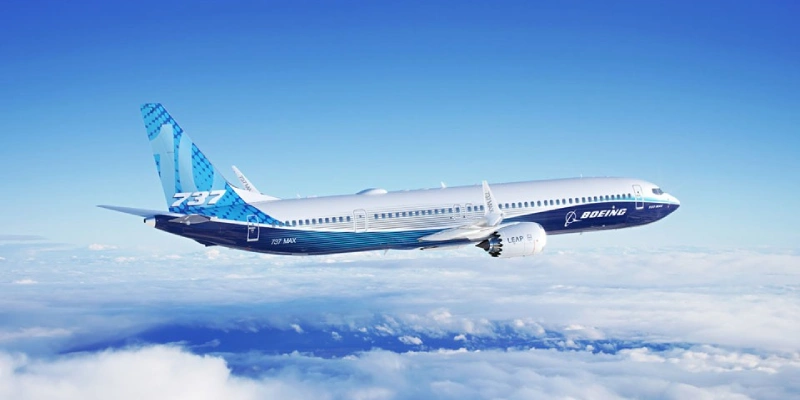
FAA Delays Boeing 737 MAX 10 Certification Following Software Issue

Plataforma Informativa de Aviación Comercial con 13 años de trayectoria.