
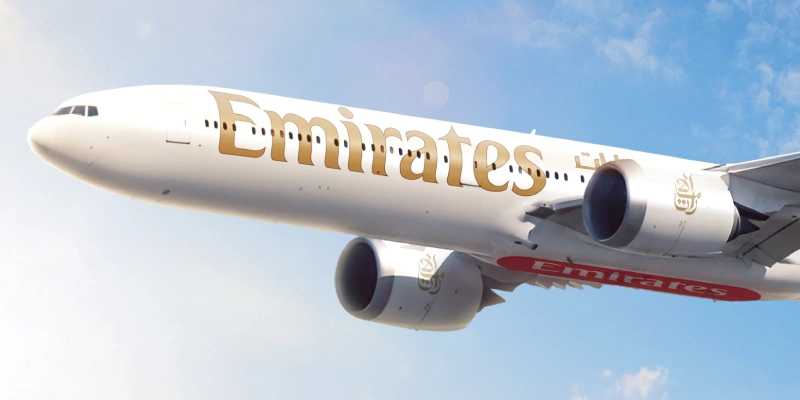
Emirates, the world’s largest buyer of widebody aircraft, projects it will receive its first Boeing 777X by mid-next year after facing prolonged program delays. However, the Dubai-based carrier is keeping its procurement plans for the Airbus A350-1000 frozen due to a lack of progress regarding the durability of Rolls-Royce engines, intensifying a global dispute between airline operators and powerplant manufacturers.
Progress and Expectations for the Boeing 777X Debut
Despite historical setbacks that have stalled the aircraft’s development, optimism has returned to the Emirati carrier’s executive management. “Anything could go wrong… but it is in good shape,” said Tim Clark, President of Emirates, during an industry conference held in Berlin, referring to the current status of the 777X order.
The airline estimates that delivery of its first airframe will formally take place between May or June of next year. This milestone will materialize 14 years after Emirates led the initial wave of launch orders for the 400-seat category model. The development of the aircraft, powered by General Electric engines, has been held back for years, primarily due to delays in the certification processes.
No Progress with the Airbus A350-1000 Due to Engine Wear
In contrast to the Boeing situation, Emirates’ plans regarding European airframer Airbus remain stalled. The operator has firmly conditioned any purchase order for the Airbus A350-1000 on the resolution of its powerplant performance issues.
The main technical and institutional discrepancies center on the following points:
- Wear and Tear Under Extreme Conditions: Clark reiterated his concerns over the premature wear of the Trent XWB-97 engine under the harsh heat and sand conditions characteristic of the Persian Gulf.
- Inflexible Commercial Stance: The airline has made it clear that it will not place orders for the larger A350 variant until this issue is fully resolved.
- Status of Upgrades: “The story of the XWB-97 remains the same. I know they (Rolls-Royce) are working hard to fix it,” the executive detailed.
→ Emirates Breaks Ground on $5.1 Billion Mega Engineering Complex
Questioning Rolls-Royce Management
Clark’s dissatisfaction with the British manufacturer is not limited strictly to the technical arena but has transcended into corporate governance. The Emirates President publicly questioned the potential compensation package of over £100 million ($134 million) awarded to Rolls-Royce CEO Tufan Erginbilgic.
While Erginbilgic is credited with a deep restructuring that drove a positive turnaround in the firm’s earnings and share value, Clark harshly criticized the engine manufacturers’ inability to respond effectively to the sector’s operational demands.
A Global Dispute Over Component Pricing and Availability
The tensions at Emirates reflect a widespread conflict across the commercial aviation industry, where airlines are clashing with engine OEMs over high costs and delays in aircraft and component deliveries.
This sector-wide crisis involves complex dynamics:
- Grounded Aircraft: The manufacturers’ inability to meet the demand for spare parts has left multiple aircraft grounded globally.
- Industry Accusations: The International Air Transport Association (IATA) directly accused powerplant manufacturers of “ripping off” airlines through excessive pricing on spare parts.
- Manufacturer Arguments: Engineering firms argue that they have undertaken significant financial risks to develop fuel-efficiency improvements, attributing current delays to supply chain disruptions.
In the face of these justifications, Clark remained inflexible regarding the impact on regional and global air connectivity: “I cannot tell my government I cannot fly because I don’t have this; they would throw me out. It is brutal, but that is the way it is. They have to do better than they are doing,” he concluded, sending a direct message to suppliers: “Listen, guys, that is not my problem, it is your problem.”
The immediate future of Emirates’ long-haul fleet remains strictly conditioned by Boeing meeting its new 777X deadlines for next year, and by the definitive technical resolution that Rolls-Royce manages to implement on its Trent XWB-97 engines—an indispensable factor if Airbus hopes to revive the Gulf carrier’s commercial interest in the A350-1000.
Related Topics

Copa Airlines Restores Operations Following Seismic Activity in Panama and Expands Commercial Flexibility Policies

Arajet Resumes Direct Flights Between Punta Cana and Guayaquil

LATAM Airlines Announces Nonstop Flights Between Santiago de Chile and Caracas Starting in January

Satena to Launch Direct Flights Between Montería and Panama City in October


Plataforma Informativa de Aviación Comercial con 13 años de trayectoria.