

The European Union (EU) is preparing a comprehensive overhaul of its airline ownership and control regulatory frameworks, Reuters reports. The primary objective of the initiative—with its formal phase scheduled for this autumn—is to prevent investment groups outside the bloc from assuming effective control of European carriers, ensuring that operational and strategic decisions remain firmly within EU jurisdiction.
A European official confirmed that the move addresses the need to safeguard regional strategic autonomy. The clarification comes amidst an intense bidding war between two U.S. investment firms for control of low-cost carrier easyJet—a transaction that will test the limits of EU rules mandating a minimum of 51% local ownership and control.
“This is to ensure that foreign investors do not have full control. We need to make sure we have enough leeway when it comes to control. The concern is that the industry might mistakenly think we no longer strictly enforce the rules,” the regulatory source stated.
Market Reaction and Investor Uncertainty
The announcement had an immediate impact on international financial markets. easyJet shares fell nearly 12% by the close of trading, marking its sharpest single-day decline since early 2020.
Investor sentiment reflects growing fears that the regulatory review will delay or complicate the acquisition of the airline by non-EU capital.
→ EasyJet Boosts Winter Network with 13 New Routes from Eight UK Airports
Current Status of easyJet Bids
- Apollo Global Management: Backed a £5.7 billion ($7.65 billion USD) offer earlier this month, outbidding an earlier proposal from Castlelake. However, the firm has yet to detail how it plans to comply with the EU rule requiring majority shareholding and control to remain in European hands.
- Castlelake: Submitted a £5.5 billion offer. Its proposed structure involves transferring 51% of voting capital to a vehicle controlled by EU citizens—led by Peter Bellew (former CEO of Malaysia Airlines) and executive Mark Breen—alongside undisclosed European investors.
Post-Brexit Compliance Challenges
Although easyJet maintains its corporate headquarters in the United Kingdom, the carrier relies critically on EU-issued Operating Licences to run its bases and intra-bloc routes. Following the UK’s exit from the European Union (Brexit), the company capped non-EU shareholder ownership at 49.5% to comply with existing legislation.
Control Mechanisms Under Scrutiny
- Economic vs. Political Control: Aviation analysts note that U.S. investment funds may attempt to capture 100% of the business’s economic performance by utilizing European proxies to technically satisfy the 51% voting rights requirement.
- The International Airlines Group (IAG) Model: The parent company of British Airways, Iberia, Vueling, and Aer Lingus utilizes separate nationality structures. Under this framework, the majority of voting rights are allocated to EU partners (such as the Spanish department store chain El Corte Inglés) to safeguard traffic rights while retaining group economic ownership.
- Antitrust Scrutiny: Any potential partnership with a consolidated European aviation group to circumvent ownership hurdles will face rigorous antitrust review from EU competition authorities.
Industry Impact and Market Outlook
Foreign ownership restrictions are standard across global commercial aviation, as nation-states consider airlines to be strategic assets. Nevertheless, several analysts emphasize that this rigidity has hindered cross-border consolidation, leaving certain operators more vulnerable to external shocks, such as the armed conflict in Iran.
If the EU enacts new regulations explicitly banning trust or fiduciary structures, questions will arise for other carriers with complex ownership models, such as Wizz Air and Ryanair. However, legislative reforms within the bloc typically take years to approve. Airline industry analysts estimate that firms like Apollo Global Management could achieve their targets for profitability, restructuring, and subsequent relisting before any amended regulations take effect.
Apollo Global has until August 7 to formalize its bid and publicly disclose the legal framework it intends to use to satisfy European Union requirements. The regulatory authorities’ decision will set a historic precedent for the entry of global private capital into European commercial aviation.
Related Topics
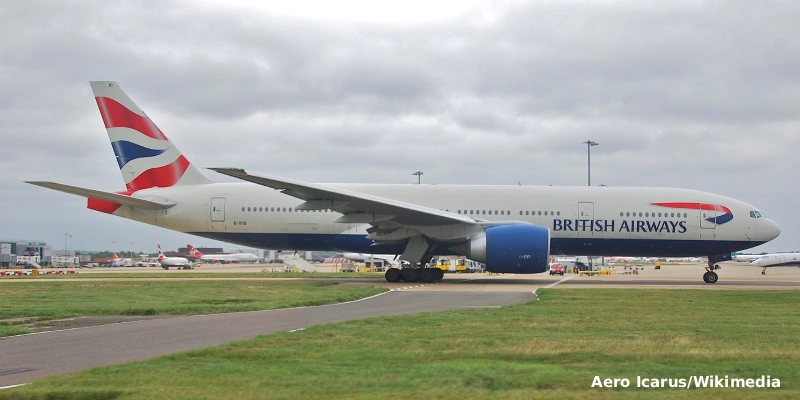
British Airways Expands Network for Summer 2027: Touches Down in Tanzania and Boosts Latin American Capacity by 25%

Copa Airlines Restores Second Daily Flight to Caracas, Venezuela

Avianca Strengthens Cross-Border Network: Launches Daily Flights Between Bogotá and Maracaibo, Venezuela

LATAM to Expand International Connectivity With New Direct Route Between Santiago de Chile and Salvador de Bahia


Plataforma Informativa de Aviación Comercial con 13 años de trayectoria.