
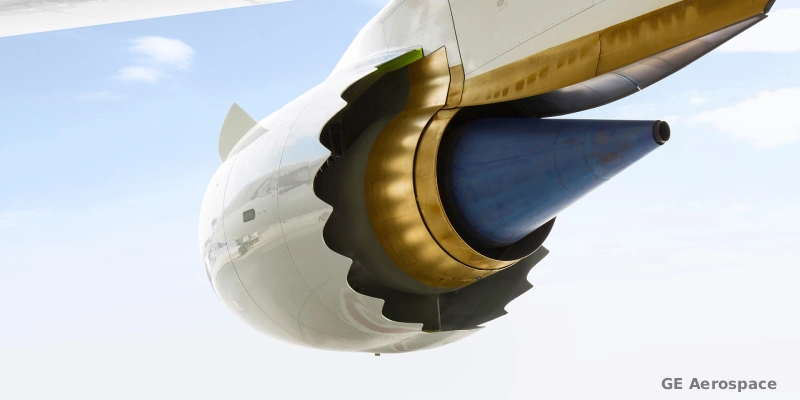
The stabilization of the global supply chain has emerged as the primary challenge for the definitive recovery of commercial aviation. In a key move to ensure stability in the widebody market, GE Aerospace has stepped forward to address mounting concerns within the aerospace sector.
The company’s Chief Executive Officer, Larry Culp, confirmed that deliveries of GEnx engines destined for the Boeing 787 Dreamliner recorded a substantial increase in the last quarter, neutralizing speculation that powerplant delays could hamper the US manufacturer’s plans to ramp up production.
Inventory Secured in Charleston
According to statements made by the executive to the Reuters news agency, Boeing’s final assembly line (FAL) in Charleston, South Carolina, currently holds an inventory of GEnx engines equivalent to several months of production. This strategic component reserve provides a critical operational cushion against recurring global logistical fluctuations.
Culp detailed that GE Aerospace’s widebody engine deliveries experienced an overall increase of 30% during the second quarter compared to the same period last year. In the specific case of GEnx powerplants, the growth in shipments was described as “significantly higher.”
“Therefore, we do not believe we are pacing or limiting deliveries at all on this program,” Culp asserted, dismissing the possibility of the engine manufacturer acting as a logistical bottleneck.
→ Airbus and Boeing Turn to Giant Antonov An-124 to Unclog Supply Chain
Boeing’s Path Toward Ten Aircraft per Month
The acceleration of engine delivery flows represents critical relief for Boeing. In May of this year, the US airframer’s CEO, Kelly Ortberg, pointed out that the ambitious goal of raising the Boeing 787 production rate from approximately five to ten aircraft per month depended on two critical factors:
- The execution of the engine delivery recovery plan structured by GE Aerospace.
- The resolution of regulatory and certification constraints associated with premium-class seats within the cabin interiors supply chain.
Long-Term Support Commitment
GE Aerospace acknowledged that to sustain the higher production rates projected by Boeing, it will be indispensable to maintain and continue progressively increasing delivery volumes.
The relationship between the two companies is symbiotic and of the highest strategic priority for the sector: approximately 80% of active and on-order Boeing 787s are equipped with GE-manufactured powerplants. This makes the Dreamliner program a cornerstone of profitability and long-term aftermarket services for the engine manufacturer, especially in a global environment of growing international demand for long-haul routes.
Supply Chain Outlook
When asked if historic delivery delays for the GEnx have been fully resolved, Culp emphasized that the company is working in close and coordinated collaboration with Boeing to precisely meet its requirements as 787 production accelerates.
Furthermore, the executive offered a positive overall outlook for the civil aviation industry, noting that the commercial engine supply chain has shown consistent improvements. However, he cautioned that the sector will require a sustained production ramp-up effort heading into the second half of the current year and throughout the next fiscal cycle.
Related Topics

Avolon Orders 250 Aircraft from Airbus and Boeing
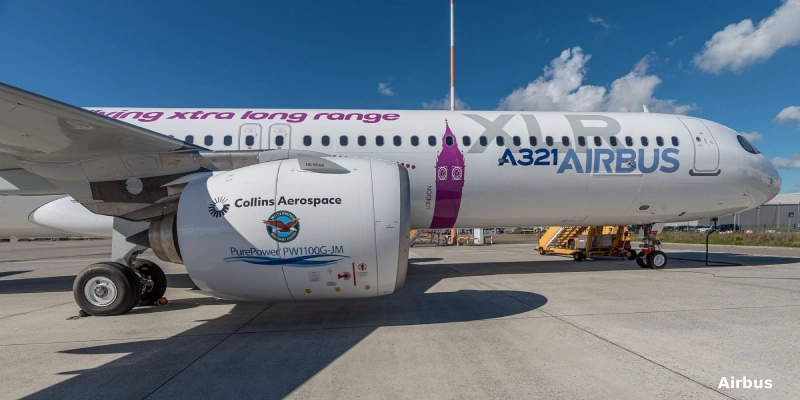
Airbus A321XLR: Reshaping Transatlantic Routes and Replacing Boeing 757
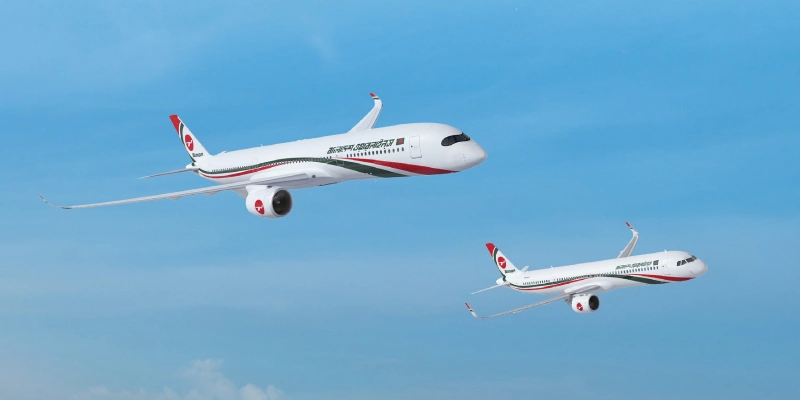
Biman Bangladesh Airlines Signs Order for 10 Airbus Jets
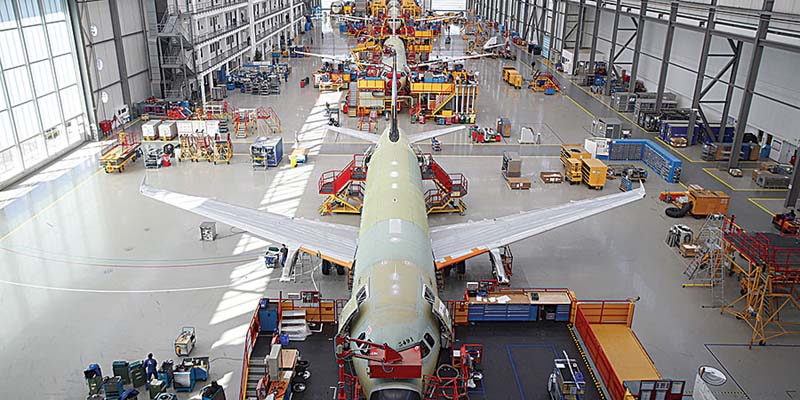
Airbus Picks Up Pace: Delivers 72 Aircraft in September Despite Quality Snags


Plataforma Informativa de Aviación Comercial con 13 años de trayectoria.