Historic Record in Argentina: First-Half Passenger Traffic Exceeds 24.5 Million
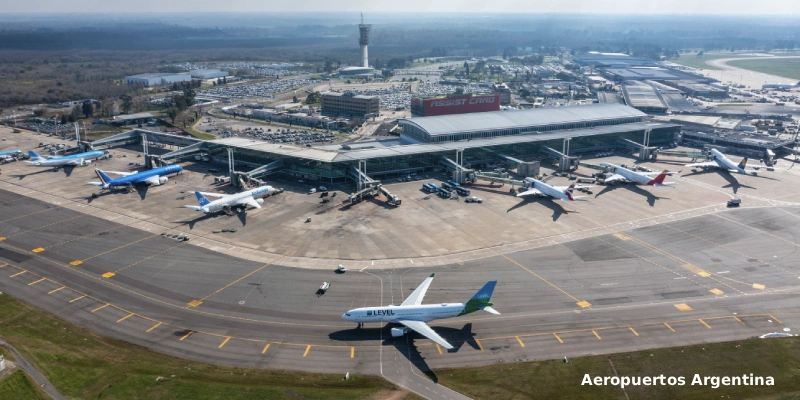




The airport system of the Argentine has reached an unprecedented operational milestone during the first half of the year. According to the latest statistical records compiled by the National Civil Aviation Administration (ANAC), a total of 24,565,836 passengers traveled through the country’s airports between January and June 2026. This figure represents the absolute historic high recorded for a first half in the national commercial aviation sector.
The performance during this period not only sets a new ceiling for passenger traffic but also consolidates a robust trend of sustained growth compared to previous years:
- A 1% increase compared to the previous record set in the first half of 2025, a period during which 24,355,308 passengers traveled.
- A 15% growth compared to the first half of 2024, when the figure stood at 21,404,889 passengers.
- A 13% increase compared to the same period in 2023, which recorded a total traffic volume of 21,788,965 passengers.
Intense Operational Activity in the Airspace
This surge in passenger demand was supported by a substantial increase in activity on runways and at air traffic control centers across the country. During the first six months of 2026, 193,900 aircraft movements were recorded across the nation’s airport network.
This volume of operations represents a notable boost in efficiency and dynamism, exceeding the operations recorded in the first half of 2024 (176,750 movements) by 10% and positioning itself 7% above the controlled air traffic during the same period in 2023 (181,181 movements).
→ Towards a “South American Single Sky”: Argentina, Brazil, Chile, and Paraguay Sign ALAS Agreement
June in Perspective: Traffic Breakdown
During the month of June, monthly activity closed with a total of 3,144,651 passengers across Argentine airports. Out of this consolidated flow, the majority corresponded to domestic traffic with 2,044,144 passengers on domestic flights, while cross-border services contributed 1,100,507 international passengers.
Impact of the Open Skies Policy and Regional Connectivity
The sustained expansion of the market has found a powerful catalyst in the Open Skies policy promoted by the National Government. This new regulatory framework has enabled the gradual entry of new foreign operators and the opening of routes that progressively decentralize the country’s traffic, directly expanding regional connectivity options.
One of the most visible effects of this deregulation process is the strengthening of international operations directly from the country’s interior, bypassing the historical requirement to make intermediate connections at the Buenos Aires hubs (Jorge Newbery Airfield or Ezeiza International Airport).
During June, a total of 168,625 passengers flew directly from regional terminals to international destinations. This figure illustrates the progress of decentralization through the following comparative increases:
- A 4% rise compared to June 2025.
- A 41% growth compared to international traffic from regional airports in June 2024.
- A notable 83% expansion compared to the mark recorded in June 2023.
New Operators and Routes Strengthen the Provincial Network
Airlines’ response to the sector’s deregulation has translated into the immediate addition of key international connections from regions outside the capital.
- Arajet: The Dominican ultra-low-cost carrier (ULCC) recently added a direct route between Punta Cana and Rosario, providing the province of Santa Fe with a direct, highly demanded, and regular link to the Caribbean.
- GOL Linhas Aéreas: The Brazilian carrier resumed its seasonal route between Sao Paulo and Bariloche during this period. This direct service not only optimizes bilateral connectivity with the Brazilian market but also strategically drives the arrival of high-economic-impact international tourists to Patagonia’s premier ski resort during the winter season.
The balance of the first half of 2026 demonstrates the maturation of a constantly evolving aviation ecosystem in Argentina.
Related Topics

Birmingham Airport Plans £2 Billion Investment to Reach 30 Million Passengers in New Master Plan

Ryanair Unveils First 29 New Routes for Summer 2027

KLM to Offer Free High-Speed Wi-Fi on Long-Haul Flights Starting in 2027

Air France to Expand US Network with New Direct Flights to Nashville and San Diego for Summer 2027

Plataforma Informativa de Aviación Comercial con 13 años de trayectoria.