IATA Publishes New Global Guidelines to Harmonize Pet-in-Cabin Transport
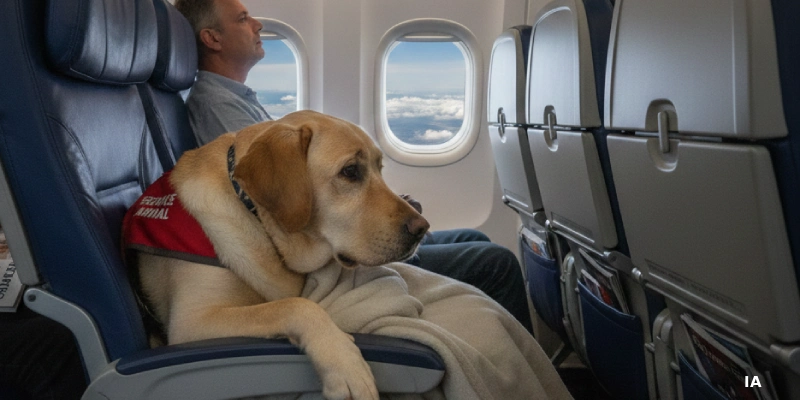




The management of domestic animals in commercial aviation has evolved from a secondary niche into a critical element of passenger experience and airline operational planning. In response to this growing demand, the International Air Transport Association (IATA) has released new operational guidelines aimed at standardizing and facilitating pet-in-cabin transport, mitigating passenger uncertainty, and optimizing airline efficiency.
This new framework comprehensively covers all phases of the journey for both the passenger and their animal, including:
- The initial booking process.
- Acceptance at the check-in counter.
- Gate boarding procedures.
- Onboard experience and handling.
- Arrival and disembarkation procedures at the final destination.
This publication complements the association’s recent launch of the Service Dog Travel Guidelines, consolidating a global industry strategy to bring consistency and predictability to the air transport of animals.
→ “Save a Life, Not a Bag”: IATA Launches Global Passenger Safety Campaign
Industry Perspective and User Experience
The safe and efficient transport of domestic animals requires meticulous preparation from both the passenger and the airline. Commenting on the release, Brendan Sullivan, IATA’s Global Head of Cargo, highlighted:
“A pet is a much-loved member of the family. People who travel with their pets need clear guidelines on what to expect at every stage of the journey. This is fundamental because having well-prepared travelers, backed by industry best practices, enables airlines to deliver a safe, consistent, and efficient experience for everyone traveling with their animal companions.”
The need for this standardization is firmly supported by the results of the 2025 IATA Global Passenger Survey. According to the study, approximately one-quarter of surveyed travelers own a pet or would consider traveling with one in the future. However, this demographic faces significant barriers due to a lack of uniform information across the sector:
- 41% identified uncertainty regarding pet eligibility as a major challenge.
- 36% expressed doubt and insecurity regarding specific, airline-internal policies.
- 34% stated they lacked clarity on the general procedures involved in traveling with an animal.
Operational Responses: Safety, Welfare, and Efficiency
IATA’s new Cabin Pet Operational Guidelines directly address these pain points by recommending standardized procedures. The guidelines aim to balance three fundamental pillars of modern commercial aviation:
- Operational Safety and Animal Welfare
Establishing clear space limits, appropriate travel containers, and animal behavior guidelines inside the passenger cabin to prevent incidents that could disrupt the flight or put the animal itself at risk. - Customer Certainty
Aligning public-facing airline information so that passengers fully understand documentation, health requirements, and animal dimensions before arriving at the airport. - Service Efficiency
Optimizing the duties of ground handling staff and cabin crew, reducing discrepancies in criteria at key touchpoints throughout the journey.
By delivering this guide, IATA provides air operators worldwide with a technical reference framework to harmonize their internal policies. The widespread adoption of these guidelines is expected to not only streamline airport processing times but also eliminate the most recurring operational friction points, elevating satisfaction levels for passengers who choose to fly alongside their animal companions.
To download the guide, Click Here.
Related Topics

British Airways Launches Multi-Million-Pound Heathrow Airport Lounge Transformation
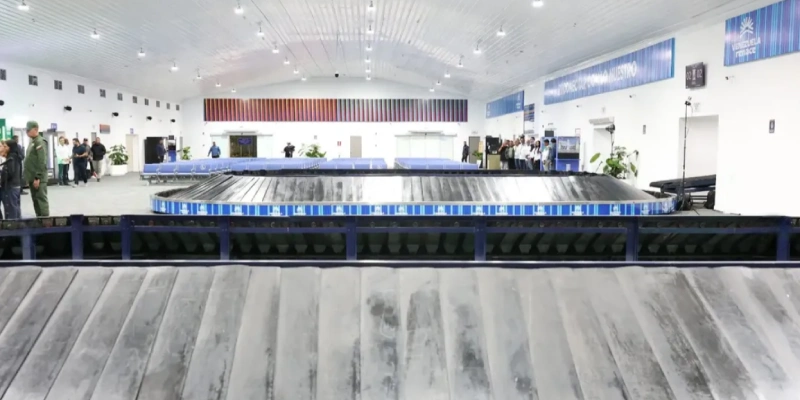
Venezuela Opens Temporary Domestic Arrivals Terminal at Maiquetia Airport

Caracas and Margarita Airports Have Potential to Attract Private Investment but Require Legal Certainty, Says ACI-LAC
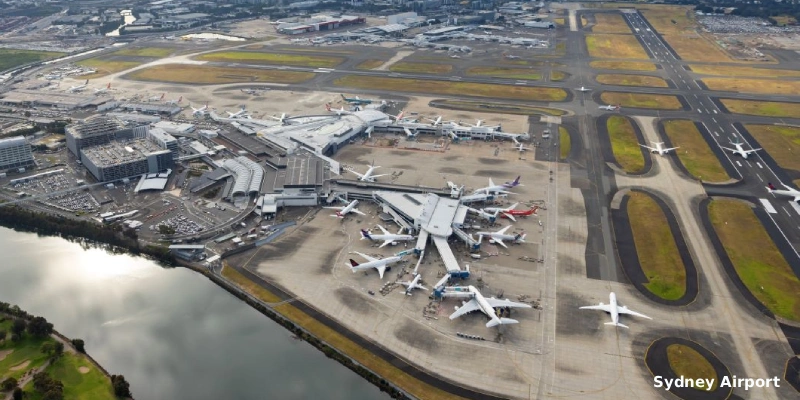
Sydney Airport Near-Miss Rate Exceeds Australian National Average by 20%

Plataforma Informativa de Aviación Comercial con 13 años de trayectoria.