
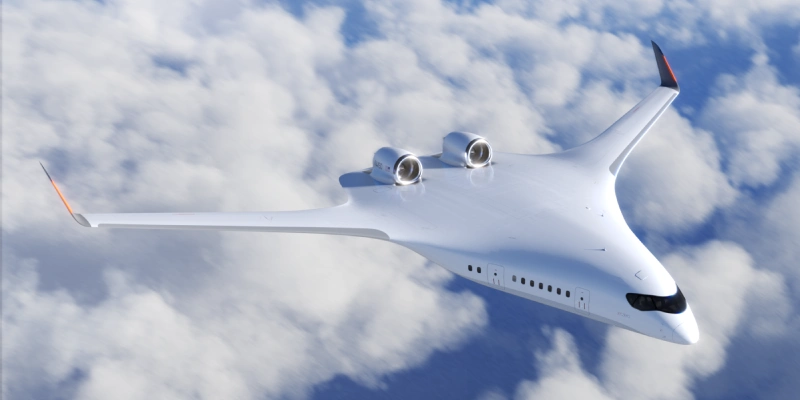
Californian startup JetZero has begun construction on a full-scale demonstrator of its blended wing body (BWB) aircraft in the Mojave Desert. This revolutionary design promises to transform the mid-market segment by drastically reducing fuel consumption and emissions within the aviation sector.
A Disruptive Bet in the Mojave Desert
Inside a hangar in the Mojave Desert, JetZero is assembling a full-scale prototype that will lay the groundwork for a future 200-plus-seat jetliner. The test aircraft, scheduled to make its maiden flight by late 2027, aims to become the world’s first commercial blended wing body airliner. In this architectural concept, the fuselage and wings fuse into a single lifting surface.
This aerodynamic design, reminiscent of a manta ray, has the potential to reduce fuel consumption by up to 50%, according to company estimates. The initiative has already captured the attention and financial backing of global airlines such as United Airlines and Alaska Airlines.
The technology demonstrator is being built by Scaled Composites—a Northrop Grumman subsidiary specializing in advanced aerostructures—and is partially funded by the United States Air Force (USAF). For its powerplant, it will utilize the same Pratt & Whitney engines that currently power the Boeing 757.
JetZero Z4: Targeting the Heart of the Commercial Market
The company’s commercial model, designated the JetZero Z4, is specifically designed to compete in the so-called “middle of the market.” This segment, previously served by the Boeing 757 and 767, covers medium- to long-haul routes with configurations ranging from 200 to 270 seats.
Unlike the traditional tube-and-wing fuselage, the blended wing body design offers disruptive advantages for both the passenger experience and operational efficiency:
- Wide and flat cabin: It allows for entirely new seating configurations, larger windows, and highly flexible interiors with optimized spaces for galleys and lavatories.
- Upper-rear-mounted engines: This strategic placement is designed to shield noise upward, reducing the acoustic footprint on the ground and improving overall aerodynamic efficiency.
- Demonstrator configuration: To validate aerodynamic performance, the prototype will only feature a pressurized cockpit, while fuel tanks will occupy the space intended for passengers.
Financial and Military Backing, and Expansion Plans
Although initially met with skepticism following its founding in 2020, the company led by CEO Tom O’Leary received a critical boost in August 2023. The United States Air Force selected JetZero for a four-year, $235 million program to manufacture the demonstrator, viewing the design as an ideal platform for military transport and aerial refueling missions.
In the private sector, JetZero closed a $175 million investment round earlier this year led by B Capital, with participation from United Airlines Ventures, Northrop Grumman, and RTX Ventures. The agreement with United Airlines includes a purchase option for up to 100 firm aircraft and an additional 100 options.
Should it successfully hit its flight-test milestones, the startup plans to open a new capital round later this year and projects an IPO by 2028. This would allow the company to activate its new manufacturing campus in Greensboro, North Carolina, with the goal of launching commercial production starting in 2030, subject to certification timelines by aviation authorities.
Technical and Certification Challenges on the Horizon
Despite the prevailing optimism, industry analysts and consultants urge caution. Richard Aboulafia, managing director of AeroDynamic Advisory, acknowledged that JetZero has surprised the industry but warned that they face monumental hurdles. The firm must first prove that the efficiency gains are real outside of simulations and subsequently secure billions of dollars to fund a certification process that will take years.
Meanwhile, Bjorn Fehrm, an aeronautical engineer and analyst at Leeham News, noted that the blended wing body design offers an internal volume and low-observable capabilities ideal for military cargo or defense logistics missions, but its actual operational advantages in mass commercial passenger transport remain to be proven.
The future of JetZero and the commercial viability of the blended wing body architecture depend almost exclusively on the results of the demonstrator’s flight campaign. According to O’Leary, success in the air will convert the industry’s remaining skepticism into firm orders, establishing the project as a viable alternative to conventional solutions from Airbus and Boeing.
Related Topics
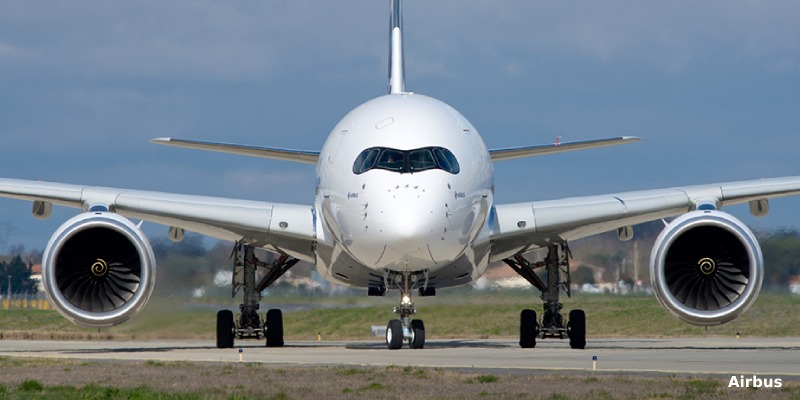
Airbus Projects Demand for 2,720 New Passenger Aircraft in Latin America Over Next 20 Years
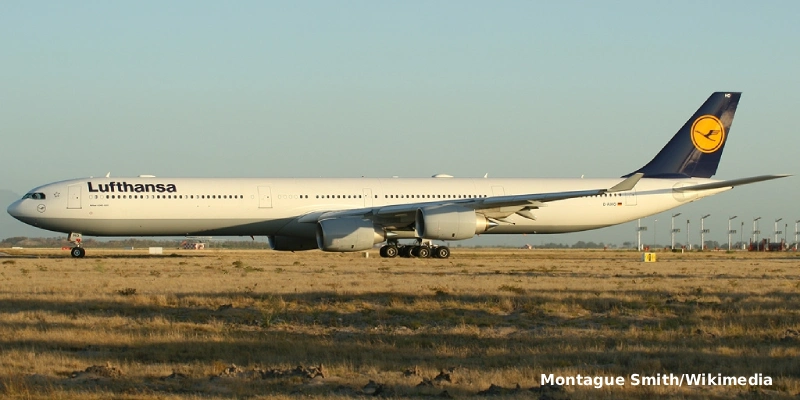
End of an Era: Lufthansa Retires Airbus A340-600 Fleet After 23 Years of Service
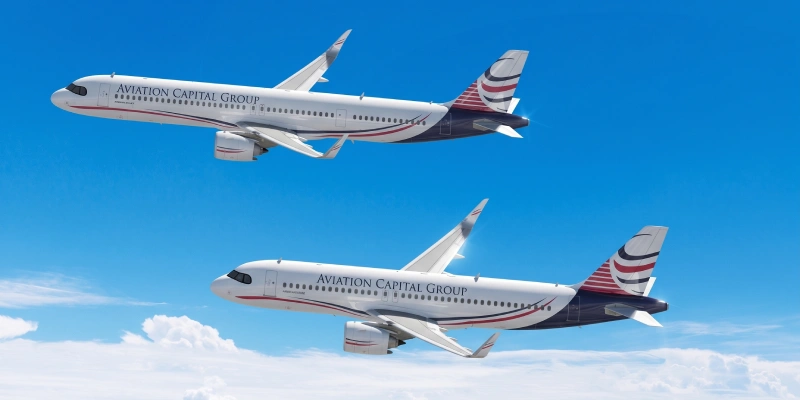
Aviation Capital Group Signs Firm Order for 75 Airbus A320neo Family Aircraft
Airbus Plans to Accelerate A350 Production Ramp-Up and Evaluates Higher-Capacity Variants


Un apasionado por la aviación, Fundador y CEO de Aviación al Día.