
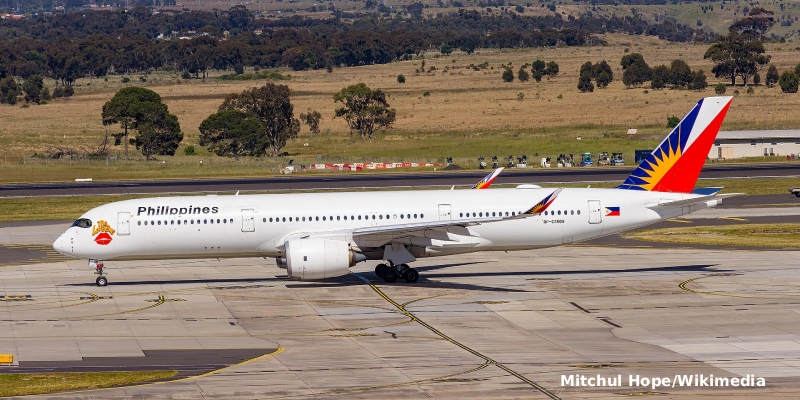
Philippine Airlines (PAL) will significantly increase its capacity to North America by late 2026. This frequency expansion aims to consolidate its leadership position in the transpacific market and strengthen connectivity between Southeast Asia and the American continent.
Strategic Boost Across Key US and Canadian Routes
The Philippine flag carrier will gradually reinforce three of its most vital routes serving major business hubs and large diaspora communities in the region starting in November and December 2026:
- Manila – Vancouver: Services will increase from 7 to 10 weekly flights, effective November 17, 2026.
- Manila – New York (JFK): The route will move from 3 to 4 weekly flights starting December 2, 2026. Additionally, a fifth weekly frequency will be added during the peak holiday travel season (December 2026 – January 2027).
- Manila – Toronto: Service will be bumped from 3 to 4 weekly frequencies beginning December 5, 2026.
This capacity hike comes on top of the previously announced launch of operations to Chicago O’Hare International Airport, featuring three weekly flights starting November 9, 2026, further underscoring the airline’s aggressive transpacific growth strategy.
Fleet Modernization and Regional Connectivity
To sustain this growth, Philippine Airlines will execute an orderly transition within its long-haul fleet. The additional frequencies to Toronto and New York will initially be operated by Airbus A350-900 aircraft, before progressively transitioning to the new Airbus A350-1000s as these units are delivered to the airline.
Furthermore, the A350-1000 is scheduled to debut on the San Francisco route in August 2026, introducing a greater supply of premium seating and boosting the carrier’s competitiveness on the US West Coast.
Network Benefits and Commercial Impact
- Interline Partnerships: Thanks to existing commercial agreements with American Airlines, Alaska Airlines, and WestJet, passengers originating in the Philippines will enjoy seamless connectivity to multiple secondary destinations across the United States and Canada.
- Asian Connections: The frequency increase will optimize connections at the Manila hub to key Southeast Asian destinations, including Jakarta, Bali, Phnom Penh, Bangkok, Singapore, Kuala Lumpur, and Hanoi.
- Cargo Capacity: The new schedule will provide additional belly-hold cargo capacity to meet the growing demand for e-commerce, general freight, and high-value shipments between both regions.
Richard Nuttall, President of the company, highlighted that North America remains one of the most critical markets for the airline. With this strategic move, the carrier not only seeks to respond to the surge in leisure, business, and VFR (Visiting Friends and Relatives) travel demand, but also to reaffirm its position as the Southeast Asian operator with the largest number of nonstop flights to North American territory.
Related Topics
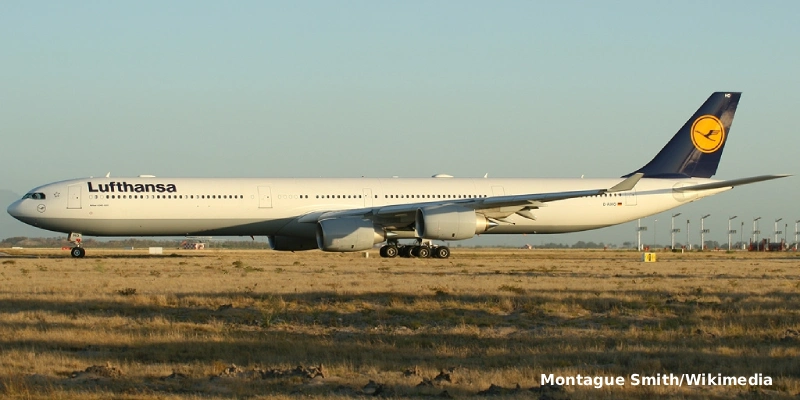
End of an Era: Lufthansa Retires Airbus A340-600 Fleet After 23 Years of Service

ITA Airways Celebrates Its Fifth Anniversary

Condor Launches Daily Flights Between Berlin and Abu Dhabi

Lufthansa in Talks to Acquire Remaining 50.1% Stake in TAP Air Portugal Following Initial Entry


Plataforma Informativa de Aviación Comercial con 13 años de trayectoria.