Quebec Seeks to Join Airbus as a Strategic Partner for Development of a Stretched A220 Version
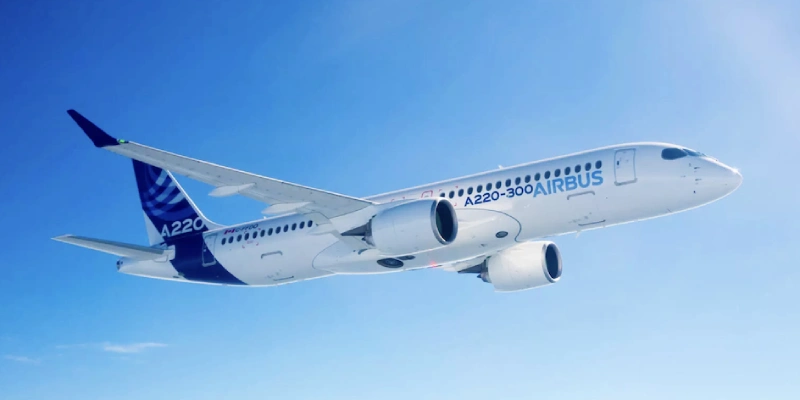




The provincial government of Quebec has formally expressed its intention to actively participate as a financial and strategic partner in the potential development of a stretched version of the Airbus A220. This collaborative effort would involve both the European aerospace manufacturer Airbus and the federal government of Canada, aiming to consolidate and expand one of the most critical industrial programs in the Canadian aviation ecosystem.
A spokesperson for Bernard Drainville, Quebec’s Minister of Economy, explicitly confirmed that high-level talks are already underway among the stakeholders, noting that the provincial executive aims to formally integrate as a partner in this new phase of the project. However, authorities emphasized that discussions are still in an early stage to draw definitive conclusions.
State Participation and Current Production Infrastructure
Quebec’s role is highly significant within the current structure of the program, which operates under a highly internationalized production scheme:
- Equity Stake: The Quebec government currently holds a 25% stake in the aircraft program, ensuring its direct interest in the long-term financial and operational success of the platform.
- Primary Manufacturing Hub: The main assembly plant for the single-aisle twin-engine jet is located in Mirabel, north of Montreal, consolidating Quebec as Canada’s strategic aerospace hub.
- Secondary Assembly Line: To supply the US and global markets, Airbus operates a second production line dedicated to the A220 at its facility in Mobile, Alabama (United States).
→ Airbus Informally Targets 900 Deliveries in 2026 Following Solid June Performance
Profitability Analysis and the Break-Even Challenge
Airbus is currently in an intensive process of ramping up the production rate of the A220. According to the manufacturer’s estimates, substantially increasing monthly delivery rates is a crucial requirement to enable this aircraft program—which currently operates at a financial loss—to finally reach its break-even point.
Market Reactions and Performance Debates
The commercial viability of the stretched version of the aircraft, commonly referred to in the industry as the A220-500, remains under rigorous evaluation by Airbus management. The manufacturer has been gauging market appetite for this variant, a process that has faced various technical and strategic complexities.
Discussions with Leasing Companies and Operators
Despite intensive briefings and technical promotions aimed at major leasing companies earlier this year, the response from the lessor sector has remained largely reserved. Discussions center on finding the optimal balance between operational range and overall engine performance under the heavier, new configuration.
Industry Event Expectations
While various aerospace industry sources indicate that the formal launch of the stretched model will not materialize during the Farnborough Airshow, sector analysts estimate a possible formal announcement by the end of the year. According to reports published by the consulting firm Leeham News, Airbus is considering the commercial launch of the A220-500 version in the fourth quarter.
Meanwhile, the federal government of Canada has adopted a posture of cautious reserve when directly questioned. In an official statement sent via email, federal authorities limited themselves to reiterating that they formally recognize the aerospace sector as a key strategic industry for the nation’s economic development, though they declined to comment specifically on their potential financial involvement or the status of ongoing negotiations.
Related Topics
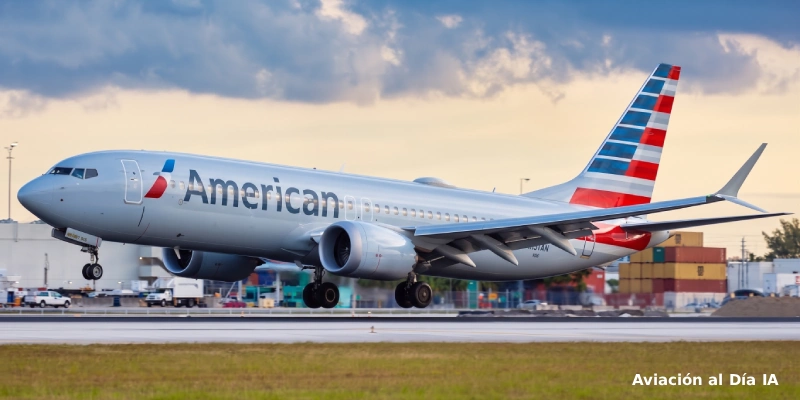
Boeing and American Airlines Successfully Complete First 737 MAX Landing Gear Exchange

Boeing Pays $3.1 Million FAA Fine over Multiple Safety Violations
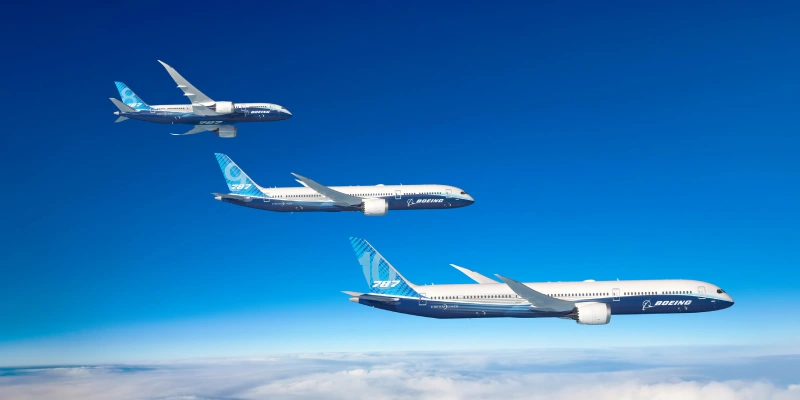
FAA Mandates Inspections for Select Boeing 787s Over Potential Structural Defects

Boeing Delivers 53 Jets in July, Down 11 From June
Plataforma Informativa de Aviación Comercial con 13 años de trayectoria.