

Airbus has tentatively set the third week of September for the inaugural flight of its new freighter model, the Airbus A350 Freighter, industry sources told Reuters. Although the schedule could slip into early October, the European manufacturer’s goal is to expedite the operational phase to compete directly in the air cargo sector—a market historically dominated by Boeing.
This timeline leaves the planemaker with a tight certification window. Flight testing across the industry typically spans 12 to 15 months, and the company maintains its objective of completing the required evaluations to make its first customer delivery before the end of next year.
Manufacturer Statement and Program History
Addressing these projections, an Airbus spokesperson stated that the company has nothing to add to its latest guidance, which targets the first flight before the end of this year, followed by an entry-into-service delivery projected for the second half of 2027.
→ Airbus Deliveries Reach 67 Commercial Aircraft in July as China Orders Are Confirmed
The dedicated freighter program—derived from the A350 long-range widebody family and constructed with lightweight composite materials—was originally launched in 2021 with the goal of entering service four years later. Through this technical platform, the airframe manufacturer aims to capture market share in a strategic niche. To date, Airbus has secured 107 total orders for the A350F, significantly outperforming the 38 units sold of its smaller, previous-generation cargo model, the Airbus A330 Freighter.
Supply Chain Bottlenecks and Delivery Projections
The program’s ramp-up to serial production has encountered industrial headwinds. In May, reports emerged indicating that the manufacturer was facing production delays regarding the main deck cargo doors, which are built at Airbus facilities in Spain.
Furthermore, industry reports analyzed by trade outlets such as Leeham News suggest that initial A350F deliveries could drift into 2028 due to these supply chain bottlenecks and certification readiness adjustments.
Related Topics
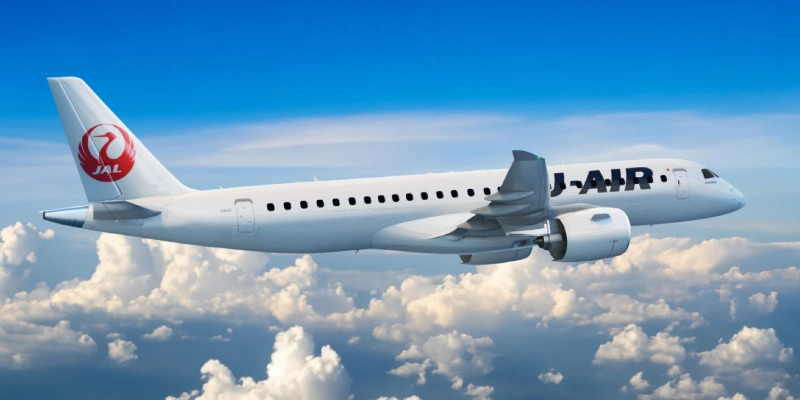
Japan Airlines Selects Embraer E190-E2 to Renew J-AIR Regional Fleet
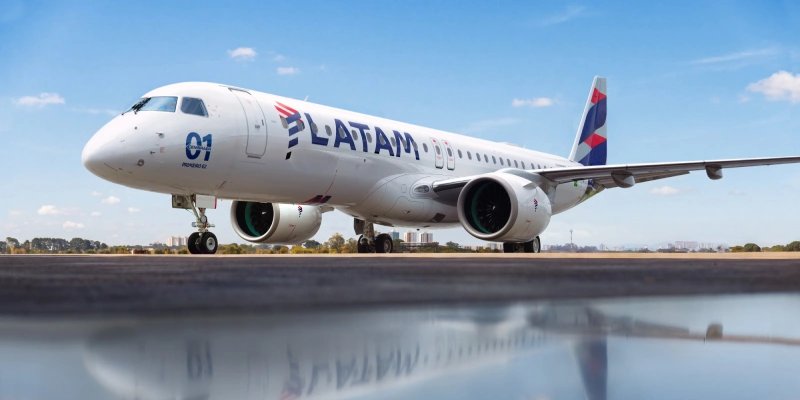
LATAM Airlines Brazil Takes Delivery of Its First Embraer E195-E2
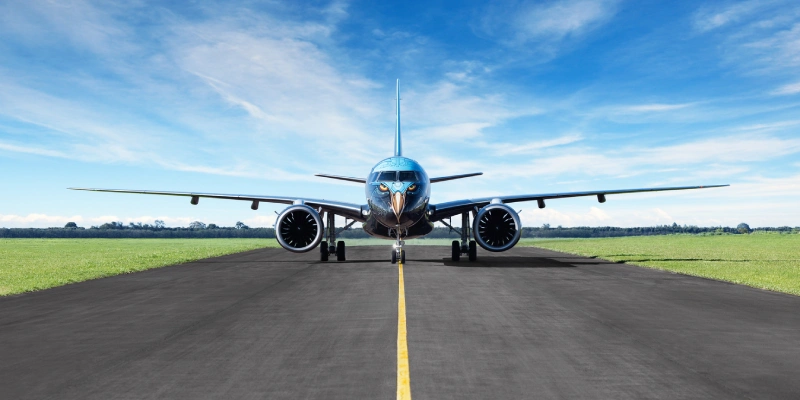
Embraer Reports Record Third-Quarter Performance With 66 Aircraft Delivered
Embraer Nears Key Regional Jet Order from Japan Airlines


Plataforma Informativa de Aviación Comercial con 13 años de trayectoria.