
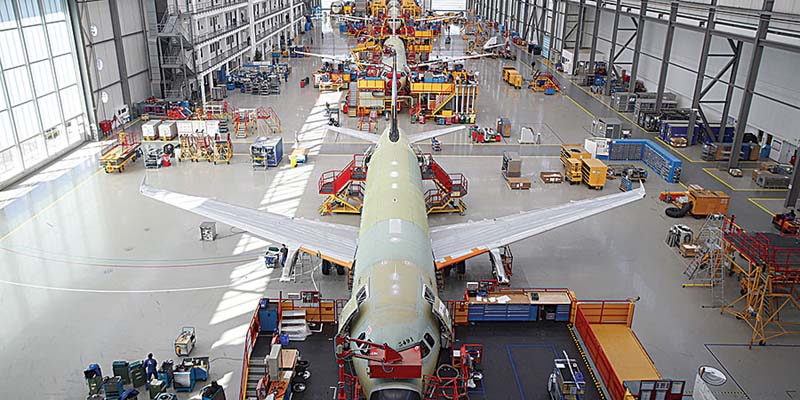
Airbus has begun notifying customers of a quality defect in the fuselage structure affecting hundreds of A321neo aircraft. The anomaly, which impacts corrosion resistance in both delivered airframes and units currently on the final assembly line, will place additional pressure on the European airframer’s medium-term delivery cadence.
The manufacturing defect, which had not been previously reported, does not pose an immediate airworthiness or flight safety risk to operators or passengers. However, according to sources familiar with the matter, the issue is estimated to affect more than 500 aircraft.
Within this figure, the operational and industrial impact falls across two key areas:
- In production: Approximately 250 airframes at various stages of assembly across the Airbus supply chain in Europe, the United States, and China are impacted, including finished A321neo units awaiting delivery.
- In service: Active aircraft that are not rectified by the manufacturer prior to delivery will require in-service structural inspections and remediation work over the coming years.
→ United Airlines Takes Delivery of First Pratt & Whitney GTF Advantage-Powered Airbus A321XLR
Technical Root Cause: Insufficient Anti-Corrosion Surface Protection
The planemaker confirmed the origin and technical specifics of the non-conformance to The Air Current:
- Supply Chain: The discrepancy originated with an undisclosed Tier 2 supplier that applied insufficient anti-corrosion surface protection to structural components.
- Affected Components: The OEM explained that during routine rework procedures, a deviation in surface protection was identified on the fuselage stringers located in the lower forward section, impacting a number of A321 airframes.
Headwinds for Production Ramp-Up and Annual Guidance
This latest quality snag presents an added challenge to Airbus’s industrial targets as it works toward a sustained production ramp-up of the A320 family to 75 aircraft per month.
The manufacturer has concurrently been navigating engine delivery shortfalls and improperly manufactured fuselage panels—factors that have pushed it behind the pace required to meet the midpoint of its full-year 2026 delivery guidance, targeted at 850 to 890 aircraft.
- Delivery Tracker: Through the end of August, Airbus had logged 475 commercial aircraft deliveries.
- Upcoming Reports: September delivery totals are scheduled to be published early next month, signaling the start of the traditional fourth-quarter delivery surge.
Despite the added workload needed to rework units within its manufacturing footprint and the resulting mid-term strain, Airbus currently anticipates no adjustments to its full-year delivery guidance as a result of this issue.
Related Topics

Boeing Posts Best Month of 2026 With 57 Aircraft Delivered in September
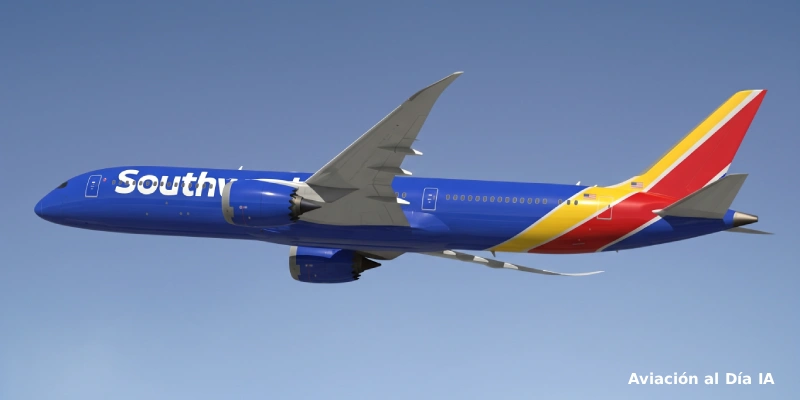
Southwest Airlines Evaluates Widebody Aircraft, Eyes Boeing 787

Avolon Orders 250 Aircraft from Airbus and Boeing

FAA Clears Path for Boeing 737 MAX 10 Certification After Dismissing Flight Software Safety Risks


Plataforma Informativa de Aviación Comercial con 13 años de trayectoria.