
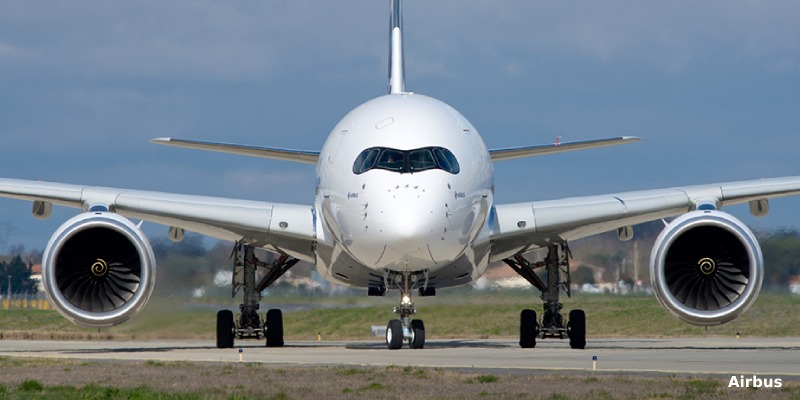
European airframer Airbus is planning to define an increase in production capacity for its widebody A350 aircraft “sooner rather than later” amid strong market demand. The move forms part of a short-term strategic package that includes studying stretched variants for both the A350 and A220, set against a backdrop of fierce rivalry with Boeing.
Imminent Decision to Increase A350 Production Rates
Airbus Commercial Aircraft Chief Executive Lars Wagner confirmed during a press briefing that the decision to ramp up the Airbus A350 assembly rate is unavoidable given commercial appetite from airlines.
“The decision to increase the A350 rate is inevitable. We will do it because the market clearly demands more aircraft. It is a major decision, which is why we must present it to the board of directors. But this will happen sooner rather than later,” Wagner stated.
The manufacturer currently operates a single final assembly line (FAL) for the A350—a widebody model competing directly against Boeing’s 787 and 777 families—which is designed to handle between 12 and 13 aircraft per month. According to the executive, exceeding that production volume will require setting up an additional assembly line and an expanded industrial system.
Despite recent quality issues, Wagner reaffirmed that the company remains confident in meeting its delivery targets set for the end of the year.
→ Avolon Orders 250 Aircraft from Airbus and Boeing
Study of Stretched Variants: A350-2000 and A220-500
Airbus is actively evaluating the development of stretched versions for both its flagship twin-aisle aircraft and its smaller single-aisle program, with decisions anticipated toward the start of a five-year planning cycle:
- Airbus A350-2000: There is clear market demand for a longer, higher-capacity variant (around 400 seats). Wagner declined to comment on whether the airframer will open up the exclusive engine supplier arrangement currently held by Rolls-Royce on the A350 program. According to industry sources, Airbus has explored options to introduce GE Aerospace powerplants, though the engine manufacturer’s interest has remained lukewarm to date.
- Airbus A220-500: A stretched iteration of the baseline ~130-seat model is under study, a project that also enjoys evident market interest.
2030 Horizon for the Next-Generation Narrowbody
Further ahead, Airbus continues to eye a nominal 2030 timeframe to launch an all-new single-aisle aircraft designed to succeed the Airbus A320 and Boeing 737 families.
The schedule for this technological transition hinges heavily on propulsion advances from engine manufacturers:
- Some industry analysts remain skeptical that this clean-sheet generation can materialize by 2030, pending the maturation of next-generation engine technology.
- For his part, Boeing CEO Kelly Ortberg told Aviation Week last July that the next generation of commercial airliners is being pushed further back.
Tensions with Pratt & Whitney and Supply Chain Status
In the short term, Airbus is managing operational uncertainty surrounding the supply of engines for A320-family aircraft powered by Pratt & Whitney.
Allocation Priorities and Commercial Disputes
Airbus and Pratt & Whitney remain at odds over engine delivery priorities: whether units should be routed to airframer assembly lines for new deliveries or directed to MRO shops to support airline operational fleets.
- No Long-Term Agreement: Both companies have yet to reach a post-2026 supply agreement.
- Fleet Impact: Airbus Chief Operating Officer Florent Massou dit Labaquere warned that the number of in-service aircraft remaining on the ground due to spares shortages continues to be “quite substantial.”
- Legal Claim: In March, Airbus submitted formal notice of a damages claim stemming from delivery delays—a dispute carrying potential liabilities running into the billions of dollars, on which negotiations have yet to reach a definitive resolution.
- Engine Maker’s Stance: Pratt & Whitney, which powers approximately 40% of the A320neo family fleet, stated that it has stabilized output flows, outpaced the broader industry in annual delivery rate growth since 2019, and expanded its maintenance capacity.
Performance Across Other Programs
Massou dit Labaquere noted that operational disruptions affecting the Pratt & Whitney engine program on the A220 have virtually dissipated. Similarly, Rolls-Royce powerplants are tracking on schedule, though supply bottlenecks in passenger cabin seats continue to present a critical challenge across widebody final assembly lines.
Airbus’s roadmap over the coming months will center on presenting the formal A350 rate increase proposal to its board of directors, solidifying contractual terms with Pratt & Whitney beyond 2026, and determining the commercial viability of both the A350-2000 and A220-500 developments within its upcoming five-year business plan.
Related Topics

Boeing Posts Best Month of 2026 With 57 Aircraft Delivered in September
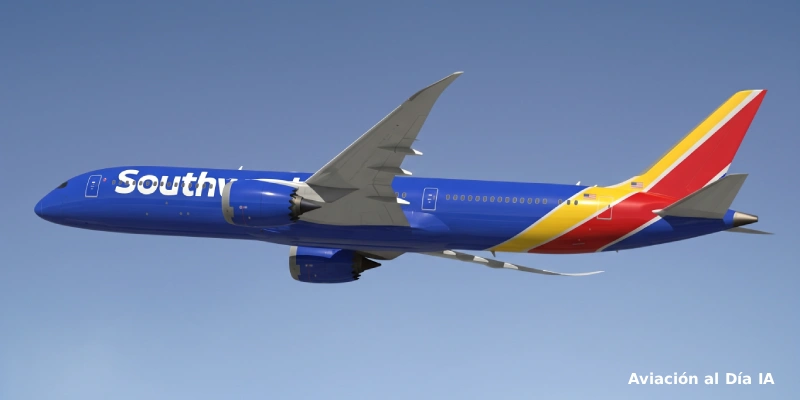
Southwest Airlines Evaluates Widebody Aircraft, Eyes Boeing 787
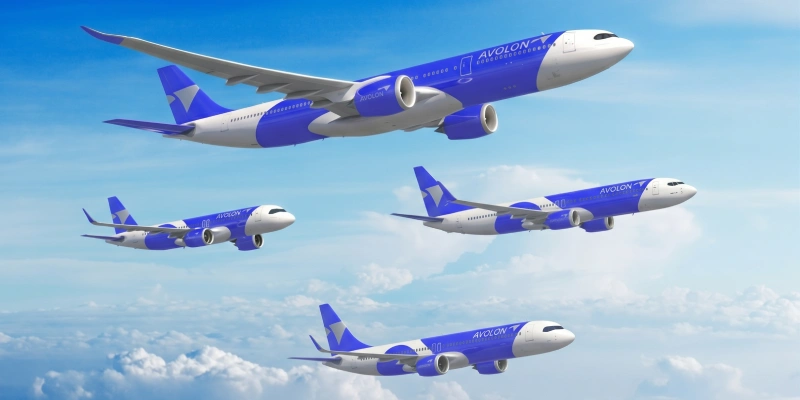
Avolon Orders 250 Aircraft from Airbus and Boeing

FAA Clears Path for Boeing 737 MAX 10 Certification After Dismissing Flight Software Safety Risks

Plataforma Informativa de Aviación Comercial con 13 años de trayectoria.