Airbus Reaffirms Full-Year Guidance, Banking on Record Q4 Surge to Reach 870 Deliveries
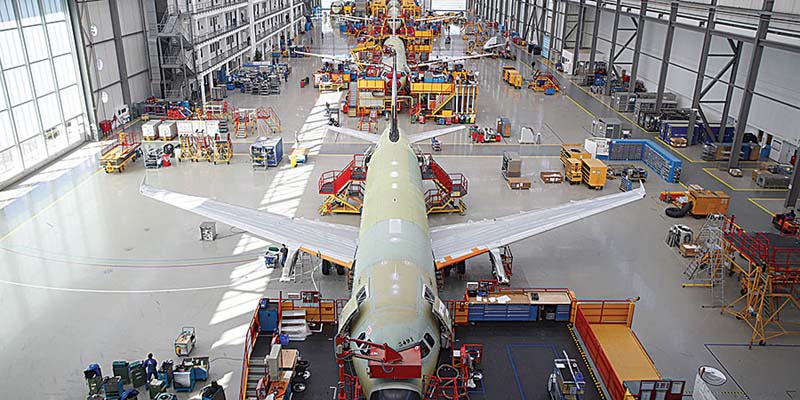




Airbus has reaffirmed its full-year financial guidance and production targets following mixed third-quarter financial results. The European planemaker is counting on an unprecedented operational ramp-up in the final months of the year to achieve approximately 870 commercial aircraft deliveries—the highest annual volume in the company’s history.
Mixed Financial Performance in the Third Quarter
The European OEM posted financial results broadly in line with market expectations, despite a slight year-over-year contraction in consolidated revenue:
- Adjusted Operating Profit: Reached €1.77 billion ($2.00 billion) for the three months ending in September, largely matching company-compiled consensus estimates.
- Consolidated Revenue: Fell 2% year-over-year to €17.47 billion, falling short of analyst expectations of €17.91 billion.
- Market Reaction: Airbus American Depositary Receipts (ADRs) edged up 1% following the release of the quarterly earnings report.
Industrial Ramp-Up Challenges Amid Supply Chain Constraints
Hitting the annual delivery target will require a record-breaking fourth quarter. While Airbus historically concentrates a heavy share of handovers in the final months of the year, it was previously forced to scale back targets due to industrial bottlenecks and engine supply constraints.
→ Airbus Plans to Accelerate A350 Production Ramp-Up and Evaluates Higher-Capacity Variants
Airbus Chief Executive Officer Guillaume Faury told reporters that supply chain pressures have started to abate compared to previous operating cycles:
“Two years ago, we postponed part of the ramp-up and moved at a slower pace for several reasons, including engines. We are no longer in that situation.”
Addressing recent technical issues, Faury confirmed that two separate quality escapes identified on certain A321neo and A330 airframes have been contained, allowing deliveries for both aircraft programs to proceed without disruption.
Industry analysts, however, remain cautious. Ronan Murphy, Director at Alton Aviation Consultancy, noted that while delivery delays have moderated, schedules remain misaligned with initial projections. He stressed that the industry will be closely watching whether the airframer can hit the 870-delivery milestone or will be forced to revise its guidance downward heading into December.
Elevated Inventories Built Up to Support Year-End Deliveries
The operational push to execute the year-end delivery rush has directly weighed on the European group’s cash flow:
- Free Cash Flow: Free cash flow before customer financing stood at negative €1.27 billion year-to-date.
- Inventory Build-Up: This outflow reflects rising levels of raw materials, parts, and subassemblies staged to support the elevated delivery cadence slated for the end of the year.
Faury expressed confidence in meeting the full-year delivery guidance, noting that the planemaker holds substantial working capital in buffer inventory to complete final customer handovers before year-end.
Competitive Landscape: Edge Over Boeing Amid Broader Market Skepticism
On the competitive front, Airbus maintains its lead over its primary US rival in year-to-date deliveries, logging 547 commercial aircraft deliveries compared to 475 aircraft handed over by Boeing in 2026. Global Aircraft Fleet.
The US airframer faces deeper industrial headwinds. Boeing CEO Kelly Ortberg confirmed that the company will miss key production and jet delivery targets this year, cited to lingering manufacturing delays and ongoing supply chain snarls.
The outcome of the year for Airbus will ultimately hinge on the ability of its final assembly lines (FALs) to convert work-in-progress inventory into finished, customer-accepted deliveries over the remaining weeks of the fiscal year.
Related Topics

Boeing Projects Global Freighter Fleet to Top 4,000 Aircraft by 2045

Boeing Reports Wider Q3 Losses in Commercial Airplanes Weighed Down by Delivery Delays
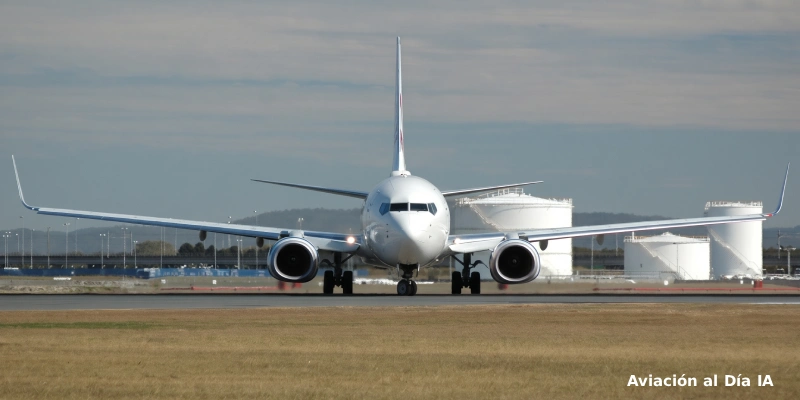
FAA Mandates Inspections on Nearly 2,000 Boeing 737 NGs Over Horizontal Stabilizer Oscillations
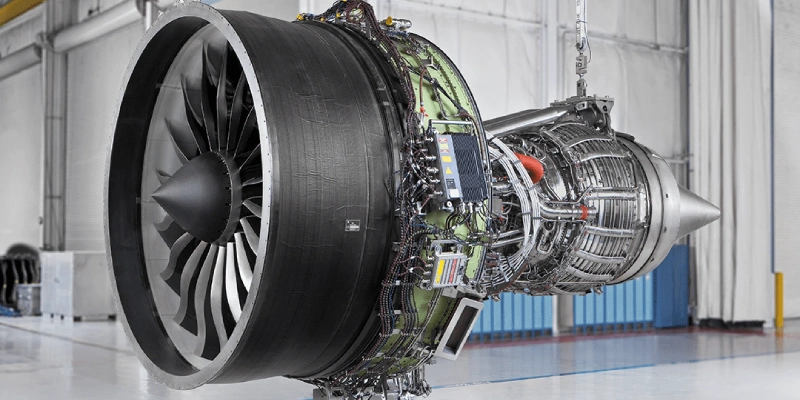
GE Aerospace Ramps Up GEnx Deliveries, Outpacing Boeing 787 Handover Rate

Plataforma Informativa de Aviación Comercial con 13 años de trayectoria.