
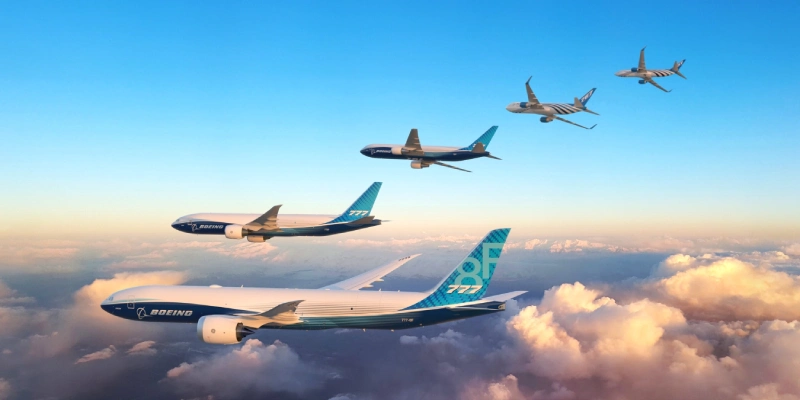
Global air cargo traffic is set to double over the next two decades, driven by booming e-commerce, artificial intelligence hardware, and advanced manufacturing. This acceleration will push the worldwide freighter fleet past 4,000 aircraft by 2045, according to Boeing’s commercial forecast.
Unveiled in Miami during the forum hosted by The International Air Cargo Association (TIACA), Boeing’s biennial 2026 World Air Cargo Forecast points to a profound shift in global supply chains and the overall composition of air freight.
Drivers of an Expanding Market: Records and Emerging Catalysts
The air freight sector closed out 2025 by setting an all-time annual record, posting a nearly 5% year-over-year increase over 2024 and weathering market volatility alongside international geopolitical disruptions.
Key drivers behind this performance include:
- Demand for Tech and AI Hardware: According to the International Air Transport Association (IATA), over 70% of AI-related goods moved by air in 2025.
- Cross-Border E-Commerce: The continued surge of direct-to-consumer models and time-critical shipments continues to generate sustained volume growth.
- Operational Resilience: Air cargo networks demonstrated the agility required to reconfigure route networks, adapt to shifting manufacturing hubs, and navigate geographic bottlenecks while safeguarding speed, reliability, and safety.
→ FAA Certifies Boeing 737-10: Largest Member of MAX Family Is Cleared for Deliveries
20-Year Outlook: Fleet Growth, Deliveries, and Regional Dominance
Over the long term, Boeing forecasts air cargo traffic to sustain an average annual growth rate of 3.5%, outpacing the broader expansion of the global economy and world trade.
Asia as the Primary Traffic Hub
Trade flows connected to Asia will lead global expansion, ultimately accounting for roughly 60% of the world’s air cargo market over the forecast period.
Fleet Expansion and Fleet Renewal
To absorb this surging demand, the global active fleet is projected to jump by 67%:
- Fleet Expansion: Growing from 2,395 freighters in 2025 to 4,010 aircraft by 2045.
- Delivery Requirements: Operators will require 2,930 freighters over the next 20 years, split between factory-built units and passenger-to-freighter (P2F) conversions.
- Delivery Breakdown: Approximately 55% of deliveries will support net capacity expansion, with the remaining 45% replacing older, less fuel-efficient freighters.
- Aircraft Sourcing: Two-thirds of additions will consist of passenger-to-freighter conversions, while the remaining third will be factory-new production freighters.
Market Dynamics and the Vital Role of Main-Deck Freighters
Dedicated main-deck freighters will retain their pivotal role, projected to carry more than half of all global air cargo traffic over the long term. Historically, these aircraft have handled approximately 55% of total air cargo traffic, measured in freight tonne-kilometers (FTKs).
From an industry revenue standpoint:
- Combination carriers operating both passenger belly hold space and dedicated freighter fleets generate roughly one-third of total industry revenues.
- Surging demand for express services is poised to increase express integrated operators’ share of total traffic to nearly 25% by 2045.
- In 2025, freighter-operating carriers—spanning pure cargo airlines and combination carriers—accounted for nearly 90% of total industry revenues, totaling around $170 billion.
Darren Hulst, Vice President of Commercial Marketing at Boeing, highlighted the strategic importance of the sector:
“The speed and adaptability of air cargo are critical advantages that enable reliable transport, dynamic rerouting, and vital support for evolving supply chains. As global trade patterns transform and demand for high-value, time-critical goods accelerates, dedicated freighters will remain indispensable to international trade.”
While airborne shipments account for less than 1% of global trade by volume, their high unit value, perishable nature, and critical time constraints mean they represent roughly a third of world trade by value—reaffirming the irreplaceable role of the global freighter fleet over the next two decades.
Related Topics

Embraer Backlog Reaches Record High of $35.7 Billion in Third Quarter of 2026
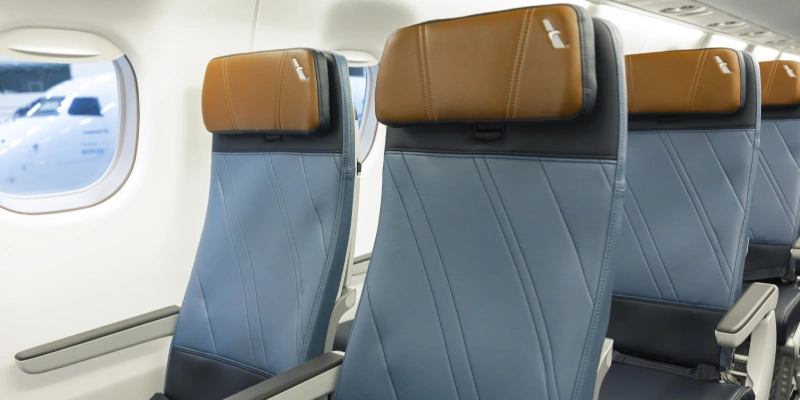
Embraer Delivers First E175 Equipped with Next-Gen RECARO Seats to American Airlines
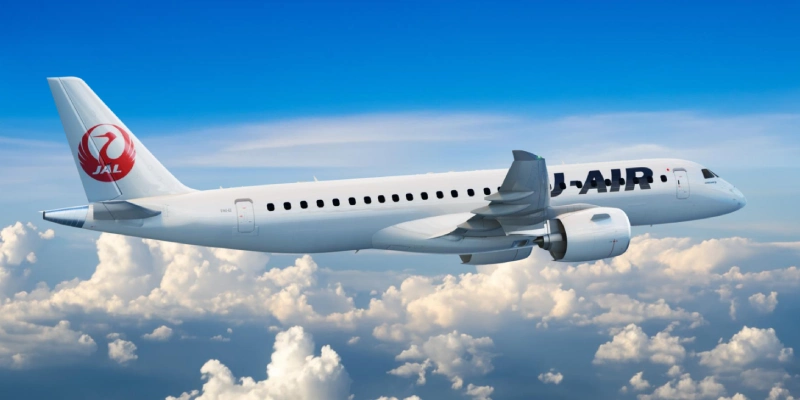
Japan Airlines Selects Embraer E190-E2 to Renew J-AIR Regional Fleet
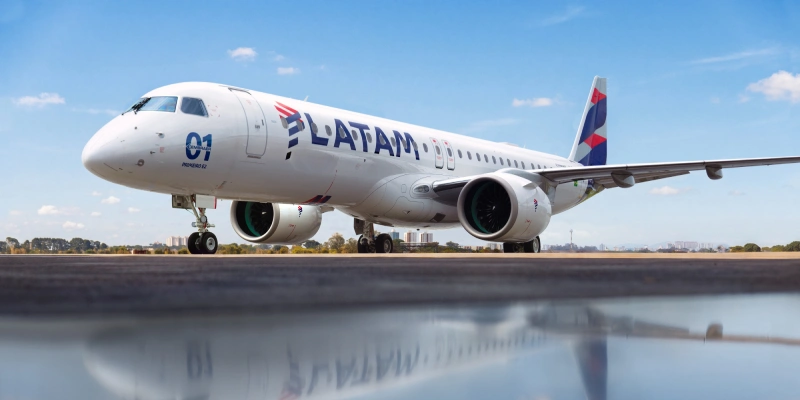
LATAM Airlines Brazil Takes Delivery of Its First Embraer E195-E2


Plataforma Informativa de Aviación Comercial con 13 años de trayectoria.