
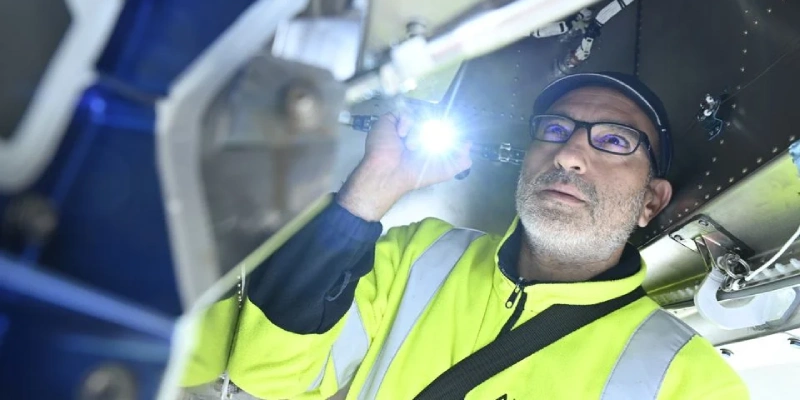
Airbus projects that the aviation services market will double in value by 2045, underpinned by a steadily expanding commercial fleet and sustained growth in air traffic. This trajectory will require the onboarding of more than 2.44 million skilled professionals alongside the intensive deployment of digital operational solutions.
Sustained Growth and Doubling of Passenger Traffic
According to Airbus forecasts, total demand for commercial aviation services is set to double from 2026 levels, reaching an estimated value exceeding $420 billion by 2045. This support ecosystem—vital to the operational stability and resilience of the airline industry—is expected to post a Compound Annual Growth Rate (CAGR) of 3.8%.
This economic momentum will be driven by two primary catalysts over the next 20 years:
- Expanding In-Service Fleet: The global commercial fleet will reach 45,550 aircraft in service by 2045.
- Doubling of Passenger Volumes: Worldwide passenger traffic will double, reaching 10 billion passengers over the same period.
The study, presented via the manufacturer’s Global Services Forecast (GSF), is OEM-agnostic and centers its technical analysis on passenger jets with more than 100 seats and freighters with payloads exceeding 10 metric tons.
→ Airbus A321XLR: Reshaping Transatlantic Routes and Replacing Boeing 757
Market Breakdown: The Six Core GSF Segments
Airbus’s structural analysis segments services market demand across six strategic sectors projected through 2045:
- Off-Wing Maintenance: Representing $217 billion with a +3.7% CAGR. This segment will double its current valuation, fueled by higher shop visit volumes tied to the aging and expansion of the global fleet. Material supply will remain pivotal amid sustained demand for parts support and component repair.
- Maintenance Operations Support: Reaching $104 billion with a growth rate of +4.3% CAGR. This new category encompasses on-time, high-quality inventory provisioning as well as engineering services designed to ensure continued airworthiness and fleet reliability.
- On-Wing Maintenance: Valued at $36 billion (+2.8% CAGR), ranging from line checks to routine heavy maintenance, scaling directly alongside the active fleet.
- Digitalization and Connectivity: Projected at $27 billion, establishing itself as the fastest-growing segment year-over-year at a +5.3% CAGR, and anticipated to triple its current footprint over the next two decades.
- Modifications and Upgrades: Totaling $21 billion (+2.6% CAGR), driven by cabin modernizations and retrofitting contemporary technologies onto in-service airframes.
- Training and Up-skilling: Standing at $17 billion (+3.1% CAGR), addressing the critical requirement for large-scale technical training.
Workforce Demand: 2.44 Million New Specialists Needed
The forecast expansion will necessitate an unprecedented mobilization of human resources. Airbus estimates a cumulative workforce requirement of over 2.44 million qualified technical personnel by 2045, broken down as follows:
- 1,050,000 cabin crew members.
- 730,000 aviation maintenance technicians.
- 660,000 commercial pilots.
Addressing this demand will require the aerospace sector to intensify talent acquisition and development initiatives. Concurrently, end-to-end digital solutions and ubiquitous connectivity will serve as cornerstones to mitigate operational disruptions (such as delays and cancellations), accelerate predictive maintenance workflows, and satisfy passenger demand for seamless in-flight connectivity.
Regional Dynamics and Operational Focus
In terms of geographical distribution over the next two decades, the highest aggregate demand volumes will be concentrated across Europe and the Commonwealth of Independent States (CIS), North America, and China. Meanwhile, Asia (encompassing Asia-Pacific, China, and South Asia) will deliver the industry’s fastest pace of expansion.
“As the world’s fleet doubles to over 45,550 aircraft by 2045, we must prepare. Airbus is expanding its role as an end-to-end services partner to support our customers across the aircraft lifecycle. By integrating predictive operations, fleet modernization, and advanced digital solutions, we are empowering airlines to safeguard fleet availability, reliability, safety, and long-term operational excellence,” emphasized Cristina Aguilar Grieder, Senior Vice President of Customer Services for Commercial Aircraft at Airbus.
Strategic Outlook
The Airbus report concludes that the aviation sector’s capacity to support an operational fleet of more than 45,500 aircraft will hinge on end-to-end lifecycle partnerships. Through the convergence of fleet renewal, predictive maintenance, and resilient supply chains, operators and MRO providers will focus on securing technical availability and aircraft reliability across the coming two decades.
Related Topics
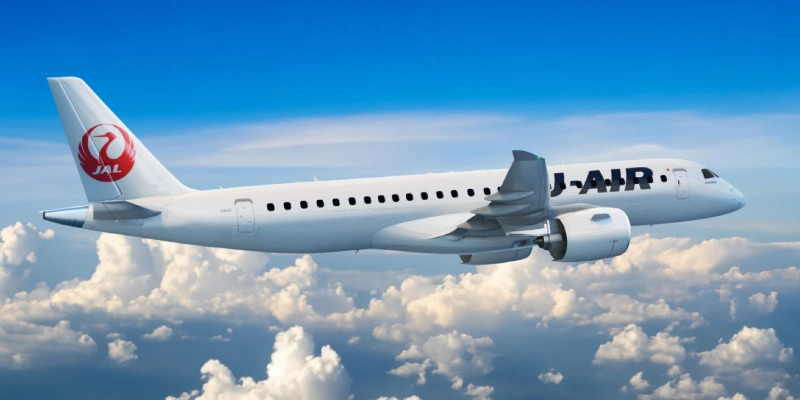
Japan Airlines Selects Embraer E190-E2 to Renew J-AIR Regional Fleet
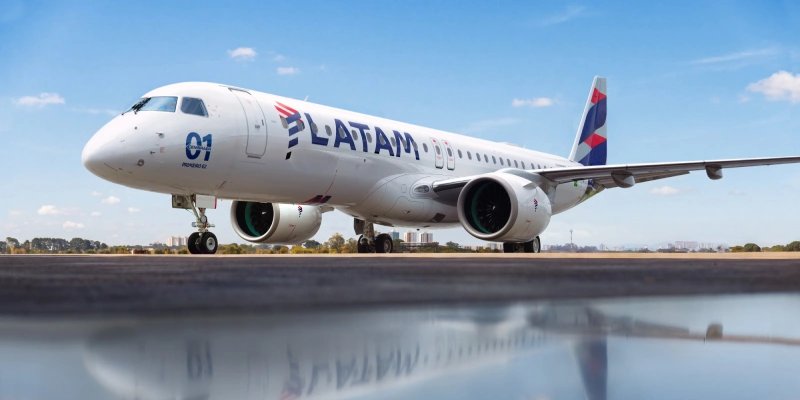
LATAM Airlines Brazil Takes Delivery of Its First Embraer E195-E2
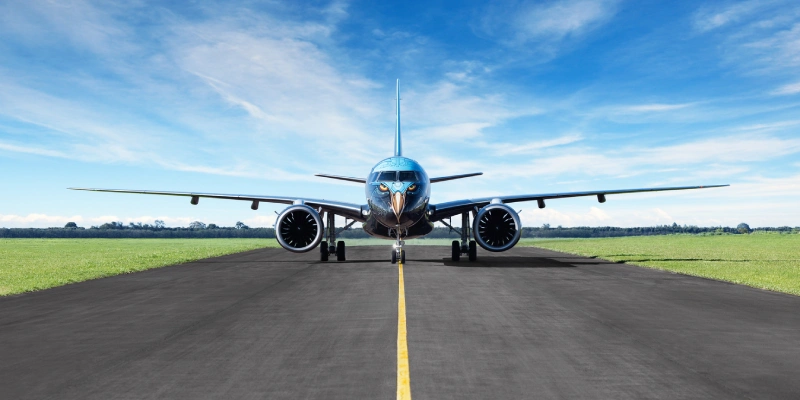
Embraer Reports Record Third-Quarter Performance With 66 Aircraft Delivered
Embraer Nears Key Regional Jet Order from Japan Airlines


Plataforma Informativa de Aviación Comercial con 13 años de trayectoria.