Air India Eyes Expanded Widebody Orders and Projects Near-Term Profitability
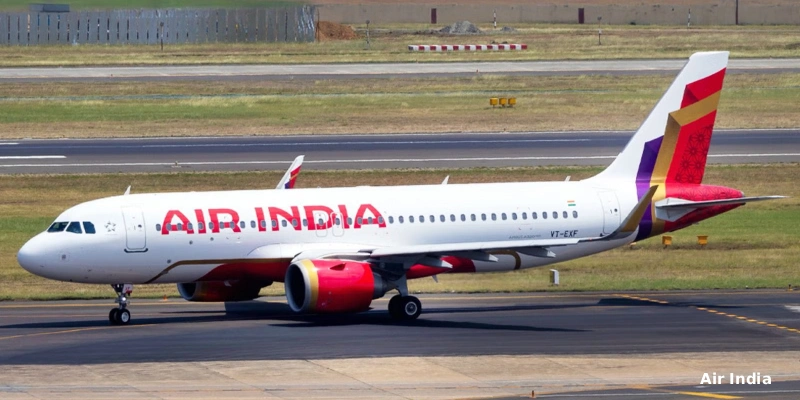




Air India is planning to scale up its widebody aircraft orders to bolster international passenger traffic, while projecting a return to operating profitability in the very near future, Chief Executive Officer Tewolde Gebremariam confirmed. The strategy aims to accelerate the carrier’s turnaround by inducting more efficient long-haul fleet assets to curb costs and navigate ongoing geopolitical airspace constraints.
Long-Haul Fleet Expansion and Financial Targets
Speaking at the Aviation India event in New Delhi, Gebremariam—the former Ethiopian Airlines chief who took the helm of the carrier a few months ago—highlighted the airline’s push to strengthen its footprint across long-haul routes:
“We want more widebody aircraft,” Gebremariam stated, emphasizing the airline’s growth trajectory in the international market and forecasting that the carrier will return to commercial profitability “very soon.”
While the CEO declined to disclose the exact number of widebody aircraft slated for addition, his remarks underscore the momentum behind the airline’s multi-phase restructuring, framed by:
- Prior financial losses currently being contained.
- High operating costs driven by the operation of legacy flight equipment.
- Ongoing geopolitical disruptions impacting commercial flight routing.
→ Airbus Preliminary Report: Multiple Hydraulic Failure Led to Air India A320 Altitude Drop
OEM Negotiations and Network Optimization
To execute this fleet expansion, Air India has engaged in discussions with both Airbus and Boeing. The primary objective is to evaluate the phased replacement of its existing widebody fleet with next-generation aircraft types.
According to industry sources:
- In-Service Fleet Inefficiencies: Operating aging widebody airframes incurs high operating expenditures due to suboptimal fuel and dispatch efficiency.
- Airspace Constraint Mitigation: Introducing modern long-haul types will help offset the operational penalties stemming from Pakistan’s airspace closure and flight bans.
- New Market Access: Next-generation equipment will enable the airline to open international city pairs that remain unserved today due to operational and range limitations.
When approached for comment, Airbus stated that it does not comment on confidential fleet planning discussions with customers, while Boeing did not immediately respond to requests for comment.
Transformation Under Tata Group and Singapore Airlines
The push for additional flight equipment is part of a multi-billion-dollar comprehensive transformation program launched in 2022, when Air India returned to the ownership of Indian conglomerate Tata Group.
The airline’s current shareholding structure is split between:
- Tata Group: Holds an approximate 75% equity stake.
- Singapore Airlines: Holds the remaining 25% shareholding.
This comprehensive turnaround roadmap pairs new aircraft deliveries and cabin retrofits on existing airframes with aggressive network expansion, aiming to elevate product standards and compete more aggressively across high-yield, long-haul international corridors.
Related Topics

JetBlue Expands Fort Lauderdale Network with Nonstop Flights to Indianapolis and Columbus

TAP Air Portugal Launches Nonstop Flights Between Lisbon and Orlando

JetBlue Rules Out Debt Restructuring and Creditor Talks Following Bond Sell-Off

Alaska Airlines to Connect Anchorage and Tokyo Narita with Nonstop Boeing 737 MAX Flights
Plataforma Informativa de Aviación Comercial con 13 años de trayectoria.