

U.S. President Donald Trump stated on Monday that he expects China to agree to purchase an additional 250 Boeing aircraft, just days after meeting with Chinese leader Xi Jinping. This potential expansion would solidify the U.S. manufacturer’s return to the Asian market following years of commercial exclusion against its European rival, Airbus.
Sales Projections and Progress on the Initial May Agreement
During an interview with CNBC on Monday, Donald Trump expressed optimism regarding the expansion of the U.S. aerospace giant’s order book in China. “I think they’re going to buy another 250, so I’m going to keep selling,” the president stated.
This latest projection builds upon previous negotiations between Washington and Beijing:
- May agreement: China initially committed to purchasing 200 Boeing aircraft, a figure significantly lower than industry analysts had anticipated.
- Prior negotiations: Ahead of the May summit, officials from Boeing, China, and the United States had discussed an agreement encompassing up to 500 aircraft.
- Total potential: In May, Trump noted that China could eventually increase its order to as many as 750 aircraft. For his part, Boeing CEO Kelly Ortberg described the initial 200-unit commitment as an “initial tranche” of a potentially much larger deal.
Regarding the current status of that first phase, U.S. Trade Representative Jamieson Greer reported in September that China was making solid progress toward finalizing orders for the 200 aircraft announced in May.
Boeing’s Return to China and Competition with Airbus
The interim agreement reached in May, alongside the summit between Trump and Xi Jinping in Beijing, enabled Boeing to once again compete for commercial aircraft orders in China. The U.S. manufacturer had remained virtually shut out of the market since 2017, a period during which its European competitor, Airbus, continued to expand its market share in one of the world’s largest aviation regions.
The strategic importance of this market lies in its long-term growth volume: China is projected to order roughly 9,000 new commercial aircraft by 2045, a figure higher than that of any other region globally.
Trade Pressure on COMAC and Recent Deals in Asia
Supply Chain Restrictions in China
According to Reuters reports published last month, the Trump administration has moved to leverage China’s reliance on U.S. aerospace suppliers as a bargaining chip in trade negotiations.
According to sources cited by the agency, the U.S. Department of Commerce slowed the issuance of export licenses for aircraft parts bound for China in recent weeks. It also capped the quantity of components authorized for shipment to Chinese state-owned manufacturer COMAC in a bid to prevent the company from stockpiling inventory.
Commercial Expansion in Southeast Asia
Alongside its engagement with Beijing, the White House highlighted additional commercial milestones in the region. Last week, just ahead of his visit to Asia, Trump underscored that Boeing and GE Aerospace finalized a $12 billion sale with Philippine Airlines. The contract covers the acquisition of up to 20 Boeing 787 aircraft powered by GE Aerospace engines.
With finalization underway for the first 200 aircraft and expectations set on a new batch of 250 units, bilateral negotiations between the United States and China remain the decisive factor in reshaping Boeing’s footprint in the world’s fastest-growing aviation market.
Related Topics
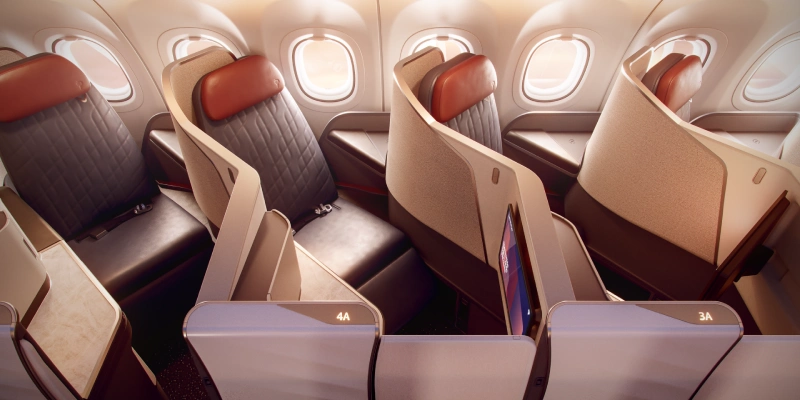
LATAM Unveils Cabin Design for Future Airbus A321XLR Fleet: Private Suites and 4K Screens
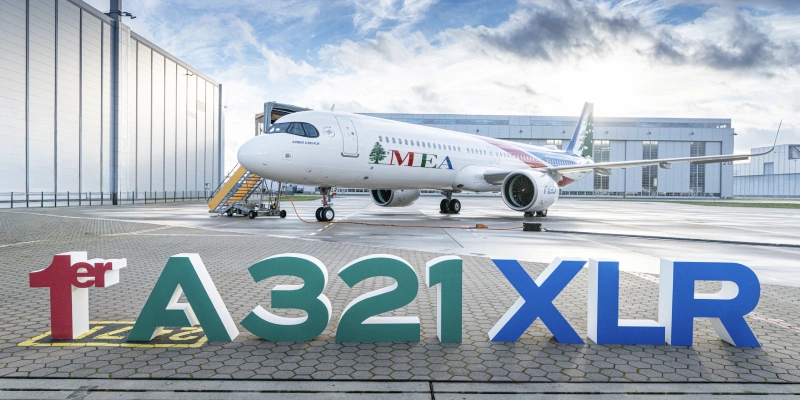
Middle East Airlines Takes Delivery of its First Airbus A321XLR
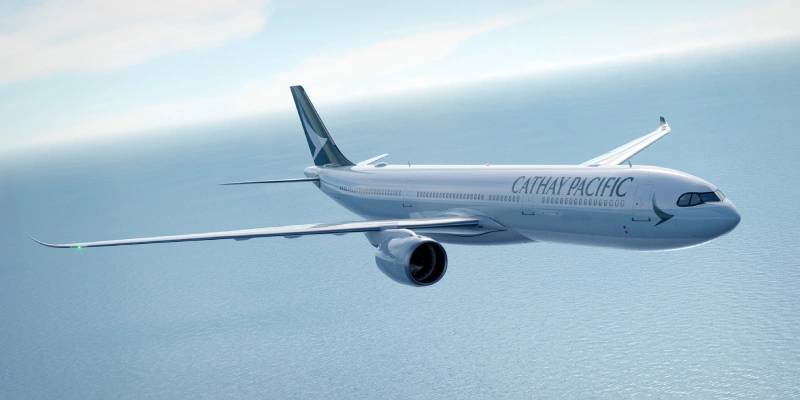
Cathay Group Orders 14 Additional Airbus Jets
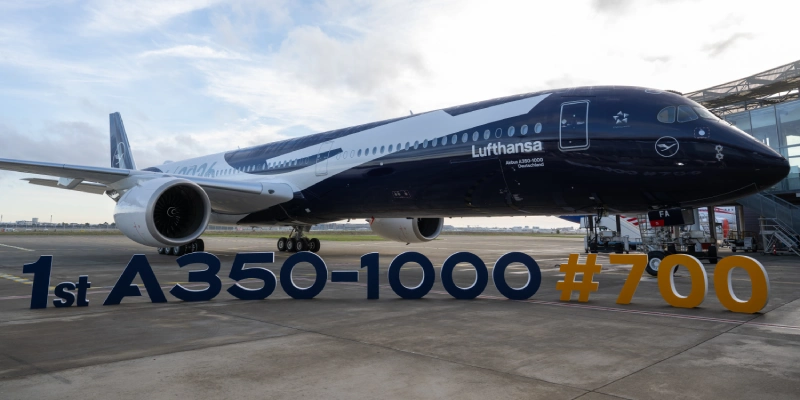
Lufthansa Group Takes Delivery of 700th Airbus Jets: An A350-1000 Marking 50 Years of Partnership and Debuting Starlink Inflight Connectivity


Plataforma Informativa de Aviación Comercial con 13 años de trayectoria.