

Qantas has announced plans to cut 850 corporate roles beginning in mid-2027 as part of a strategic restructuring program aimed at accelerating Artificial Intelligence (AI) adoption and offboarding functions to India. The cost-cutting drive is intended to modernize internal IT and back-office systems as the carrier funds the largest fleet renewal program in its history.
Corporate Transformation and Strategic Partnership with Accenture
Australia’s flag carrier confirmed it has signed an agreement with professional services firm Accenture to conduct an end-to-end overhaul of its core enterprise support systems. Under this operating model, an unspecified number of corporate functions will be transferred and managed directly by teams based in India.
The workforce reduction will impact approximately 850 positions, with phased redundancies scheduled to formally commence in mid-2027.
Addressing the human impact of the restructuring, Qantas Chief Executive Officer Vanessa Hudson stated: “We know this will be difficult news for some of our people, and this decision is not a reflection of their dedication or contribution.”
Artificial Intelligence as a Driver of Global Industry Restructuring
Hudson emphasized that Artificial Intelligence is poised to fundamentally disrupt the airline business model worldwide. According to the CEO, the pace and scale of emerging tech deployment are unprecedented compared to what corporations have navigated in previous generations.
Airline leadership justified the realignment around key competitive drivers:
- Shifting Corporate Landscape: Leading global enterprises are moving aggressively to leverage emerging technologies and enterprise AI to overhaul core business workflows.
- Imperative to Adapt: Senior management stressed that standing still is not a viable strategic option in the current competitive environment.
- Automation and Operational Efficiency: Re-architecting legacy systems is designed to keep pace with structural shifts across the global aviation sector.
Record Fleet Renewal and the Airbus A380 Phase-Out
Alongside digital transformation and cost rationalization, Qantas is moving forward with what it describes as the largest comprehensive fleet renewal campaign in company history. The group’s capital expenditure and fleet planning roadmap reflect the following milestones:
- Recent Deliveries: Over the previous financial year, the Qantas Group took delivery of 17 new aircraft across its network.
- Projected Deliveries: Based on financial disclosures released earlier this year, the carrier expects to induct up to 31 additional aircraft over the coming 12 months.
- Airbus A380 Phase-Out: This continuous capital investment and delivery pipeline will enable Qantas to initiate the phased retirement of its flagship double-decker Airbus A380 superjumbo fleet starting in 2028.
The Australian carrier’s multi-year strategy directly channels corporate overhead savings and operational automation into capital-intensive fleet modernization, setting the stage for operational transitions in 2027 and the eventual phase-out of its very large aircraft (VLA) fleet toward the end of the decade.
Related Topics

LATAM Airlines Reports US$441 Million Q3 2026 Net Profit, Raises Full-Year Guidance
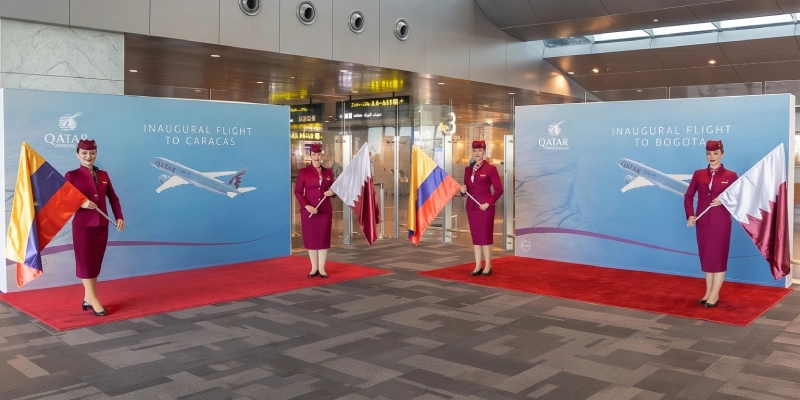
Qatar Airways Lands in Colombia and Venezuela: Inaugurates Triangular Route Linking Doha, Bogota, and Caracas

Latin America and the Caribbean Passenger Traffic Edges Up 0.8% in August

Copa Airlines Expands Connectivity in Venezuela with a Fifth Weekly Frequency to Barcelona

Plataforma Informativa de Aviación Comercial con 13 años de trayectoria.