U.S. Airlines Face Higher Costs Over Proposed 10% Tariff on Embraer Aircraft
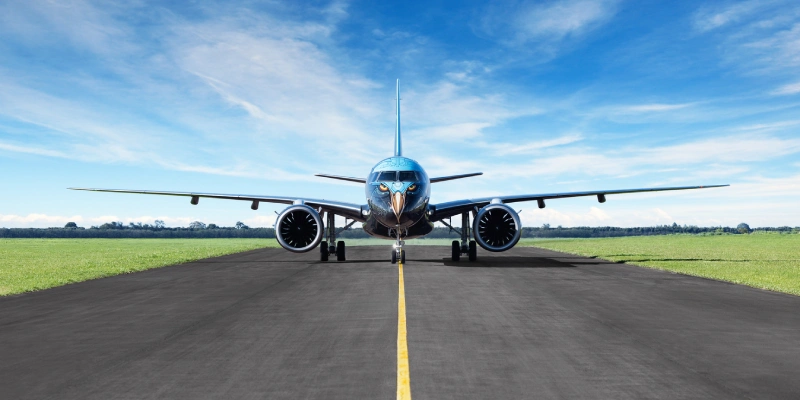




The Donald Trump administration’s proposal to impose a 10% tariff on Embraer aircraft imported from Brazil threatens to drive up operating costs for U.S. airlines, which lack domestically manufactured alternatives. The measure, which could take effect as early as January, adds pressure to an industry already grappling with surging jet fuel prices.
Trade Pressure on the Aerospace Sector and the Impact on Airlines
Analysts and industry executives noted on Wednesday that the initiative uses the aircraft market as leverage in trade negotiations. Until now, the aerospace sector—a major export engine for the United States—had largely escaped the tariffs championed by President Donald Trump, unlike other industries such as automotive, steel, and aluminum.
These unexpected duties on commercial jets and other goods from Brazil are part of a broader round of proposed tariffs targeting products from more than a dozen trading partners. For U.S. carriers, higher prices on Embraer jets would come at a challenging time, marked by a sharp spike in jet fuel costs driven by the Iran war.
“There is no U.S. competitor for Embraer’s commercial aircraft,” said Richard Aboulafia, managing director at Michigan-based aviation consultancy AeroDynamic Advisory.
→ Embraer Delivers First E175 Equipped with Next-Gen RECARO Seats to American Airlines
Firm Orders and Committed Deliveries for the Embraer E175
According to corporate filings as of the end of the third quarter, U.S. airlines’ exposure to the Brazilian manufacturer’s order book is concentrated in the regional segment:
- Combined Backlog: Embraer recorded firm orders for roughly 160 E175 jets combined across American Airlines, SkyWest Airlines, and Republic Airways.
- American Airlines Deliveries: The carrier expects to take delivery of five Embraer commercial aircraft before year-end and another 14 in 2027, slated for its American Eagle regional feeder carriers.
When asked for comment on the tariff proposal, American Airlines referred inquiries to the trade association Airlines for America. The industry group urged the government to preserve the zero-tariff regime for aircraft and parts, arguing that aviation exports generate a $93 billion trade surplus for the United States and warning that “now is not the time to raise aircraft costs.”
Embraer’s Stance and Skepticism Over Implementation
For its part, Embraer stated that it firmly defends the zero-tariff regime for the global aerospace industry. The company also underscored its industrial footprint on U.S. soil, where it holds $3.5 billion in assets and employs more than 2,500 people.
Despite the announcement, Aboulafia expressed doubt that the Trump administration will follow through on its threats against the Brazilian planemaker. The analyst attributed this outlook to anticipated pushback from a Democratic-led U.S. House of Representatives and Senate starting in January, as well as the presence of Embraer manufacturing facilities in Florida, a Republican-leaning state.
In that vein, he recalled that Trump previously walked back a proposal to ban Canadian-built Bombardier private jets in the United States after it came to light that some of those aircraft were undergoing completion in Wichita, Kansas, for military contracts. “This is every bit as big a threat to Embraer jets as tariff threats were to Bombardier jets. In other words, it will not happen,” Aboulafia maintained.
Analysts Divided Over Impact on the Praetor Business Jet
The scope of the measure has also sparked divided views in the financial market regarding the Praetor, Embraer’s business jet. This aircraft flies from Brazil in an unfinished state—known in the industry as “green” aircraft, lacking paint and interiors—to the company’s completion facility in Florida.
Although a press release from the Office of the United States Trade Representative (USTR) specifically referenced “finished aircraft,” the listed tariff codes make no distinction between completed planes and green aircraft. This ambiguity has split analyst projections:
- JPMorgan: In a note to clients, the bank stated that it does not expect the tariffs to affect the Praetor—a model that accounts for 70% of Embraer’s executive jet sales—and described the 5% drop in the manufacturer’s shares during morning trading as “overdone.”
- UBS: Conversely, the bank’s analysts projected that the duties would indeed apply to the Praetor, noting that the United States accounts for 65% of the model’s deliveries.
With potential implementation slated for as early as January and lingering technical questions surrounding the classification of unfinished aircraft, the U.S. aviation industry and investors are watching closely to see whether the tariff proposal will move forward or meet the same fate as previous trade initiatives in the aerospace sector.
Related Topics
Malaysia Airlines Announces Order for up to 16 Boeing 787-10 Jets
Xiamen Airlines Signs Agreement with Boeing to Purchase 50 737-8 Aircraft for $7.4 Billion

Donald Trump Projects Chinese Purchase of Another 250 Boeing Jets Following Meeting with Xi Jinping

Boeing Clears Key Regulatory Hurdle to Activate New 737 Assembly Line in Everett

Plataforma Informativa de Aviación Comercial con 13 años de trayectoria.