Wizz Air Targets North Atlantic: European Low-Cost Carrier Seeks Authorization to Fly Between UK and US
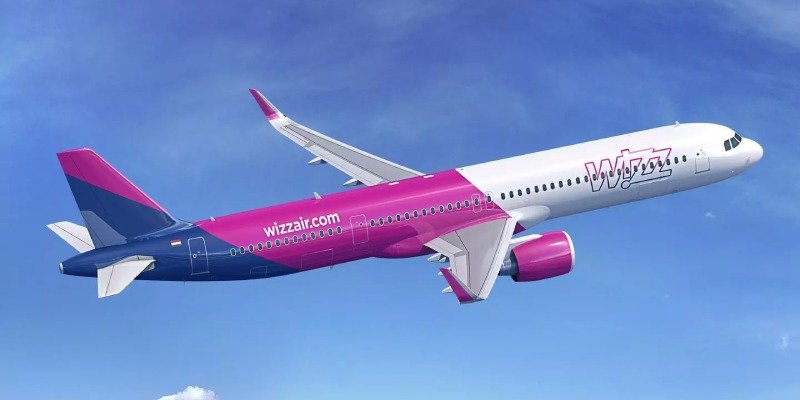




Wizz Air is looking towards the United States once again. The Hungarian ultra-low-cost carrier has formally initiated the process to obtain authorization from the US government to operate flights between the United Kingdom and the US. This move marks a strategic shift following its retreat from the Middle East and reignites the debate on the viability of the low-cost model in the transatlantic market.
Formal Application to the US Department of Transportation
According to documentation filed on Friday, Wizz Air UK, the group’s British subsidiary, has requested a foreign air carrier permit from the United States Department of Transportation (DOT) to operate flights between the two countries “as soon as possible.”
The airline aims to leverage the 2020 UK-US Air Transport Agreement, known as the Open Skies Agreement, which liberalizes access between the two markets and allows carriers to operate without significant restrictions on capacity or frequency.
This step does not yet entail the immediate launch of specific routes or the definition of particular cities, but it does represent the first necessary regulatory move to access one of the world’s most competitive and profitable markets.
→ European Parliament Upholds Three-Hour Threshold for Flight Delay Compensation
Wizz Air’s Second Attempt to Access the US Market
This is not the first time the Wizz Air group has attempted to enter the United States. In 2022, its Hungarian unit had sought a similar permit to operate cargo flights to the North American country. That initiative did not materialize into regular operations, but it clearly signaled the group’s strategic interest in the US market.
This time, the focus is different: passenger services, initially under a charter model, tailored to seasonal demand and customer needs, according to the airline itself.
The choice of Wizz Air UK as the vehicle for this expansion is no coincidence. The UK offers an operational and regulatory platform more aligned with the transatlantic market, as well as a consolidated demand base.
Strategic Shift After the Withdrawal from Abu Dhabi
The offensive towards the United States comes after a profound change in Wizz Air’s geographical strategy. Last July, the company announced its exit from operations in Abu Dhabi, described as loss-making, after acknowledging that political tensions in the Middle East had thwarted its expansion plans in the region.
This retreat allowed the airline to refocus on its core market in Eastern Europe and now, to redirect resources and ambition towards the North Atlantic.
United States as a Growth Market for the Low-Cost Model
The context favors this move. Increased global tourism spending is driving European travelers’ interest in less traditional US destinations. Wizz Air identifies cities such as Nashville or Boise as examples of this shift away from the classic major hubs.
This phenomenon is reinforced by several factors:
- Changes in immigration and trade policies during the Trump administration, which reduced the flow to some traditional tourist destinations.
- Growth expectations in traffic linked to major events, such as the upcoming FIFA World Cup, to be hosted by the United States.
In this scenario, Wizz Air’s low-cost model could find a window of opportunity.
Wizz Air’s application to fly between the UK and the United States is a clear signal of strategic reorientation, combining a retreat from complex markets with the ambition to compete in one of commercial aviation’s most demanding corridors.
Related Topics

Thai Airways Cuts Flights and Faces Baggage Handling Collapse Following Severe Bangkok Flooding

Akasa Air in Talks With Boeing for Over 200 737 MAX Jets

Embraer Nears Key Regional Jet Order from Japan Airlines

AirAsia Co-Founder Defends Airline’s Liquidity Amid Fuel Surge and Rules Out State Bailout

Plataforma Informativa de Aviación Comercial con 13 años de trayectoria.