Trump Administration Negotiates $500 Million Bailout for Spirit Airlines Amid Fuel Price Crisis





The Donald Trump administration is in the final stages of an agreement to rescue Spirit Airlines through government-backed financing of up to $500 million. This intervention seeks to sustain the carrier’s operations during its bankruptcy process, amidst extreme volatility in operating costs stemming from the armed conflict involving the United States and Israel against Iran.
A Financial Lifeline with State Participation
The proposed rescue package would initially be structured as a debtor-in-possession (DIP) loan to maintain the airline’s operability during the bankruptcy proceedings. According to sources close to the negotiations who spoke to Reuters, this credit would later be converted into a long-term loan once the company successfully emerges from Chapter 11 protection.
A critical aspect of the negotiation is the inclusion of warrants, which would grant the United States government a potential equity stake of up to 90% in the airline. Although President Donald Trump has expressed his preference for a private acquisition of Spirit Airlines, he has left the door open to government intervention to prevent a total collapse.
Fuel Shock: The Trigger of the Crisis
Spirit Airlines’ viability has been severely compromised by the economic fallout of the war in Iran. The conflict has caused a disruption in oil flows through the Strait of Hormuz, doubling the price of aviation fuel in a record period.
- Forecasts vs. Reality: In its March disclosures, the airline based its restructuring plan on a fuel cost of $2.24 per gallon for 2026.
- Current Prices: By mid-April 2026, prices skyrocketed to approximately $4.24 per gallon.
- Fleet Adjustment: In response to the crisis, the airline plans to downsize its fleet to between 76 and 80 aircraft by the third quarter of 2026, representing barely a third of its pre-bankruptcy size.
Skepticism and Competition Risks in the Industry
The potential state intervention has sparked intense debate among analysts and industry leaders. Experts from J.P. Morgan warn that an individual bailout could set a complicated precedent, incentivizing other carriers such as JetBlue Airways and Frontier Airlines to request similar aid under the same cost pressures.
For his part, Transportation Secretary Sean Duffy has expressed reservations regarding the operation. Duffy questioned the suitability of injecting public capital into a financial structure that some consider unsustainable, noting that “one should not throw good money after bad” if there is no interested buyer in the private market. In the same vein, United Airlines CEO Scott Kirby characterized Spirit’s business model as fundamentally flawed.
Impact on the Market and Passengers
The disappearance or drastic reduction of Spirit Airlines would have direct consequences for consumers, especially in key markets:
- Capacity Reduction: The airline’s exit would significantly reduce seat supply at major hubs such as Fort Lauderdale.
- Fare Increases: Analysts suggest that decreased competition would allow surviving airlines to strengthen their pricing power, resulting in higher fares for the end user.
- Political Context: The White House has pointed out that the airline’s financial situation would be more robust had the previous administration not blocked its merger with JetBlue Airways.
While talks continue, Spirit Airlines is maintaining normal operations. The outcome of these negotiations will determine not only the future of the carrier but also the level of intervention the U.S. government is willing to exert to stabilize the aviation sector in the face of external geopolitical crises.
Related Topics
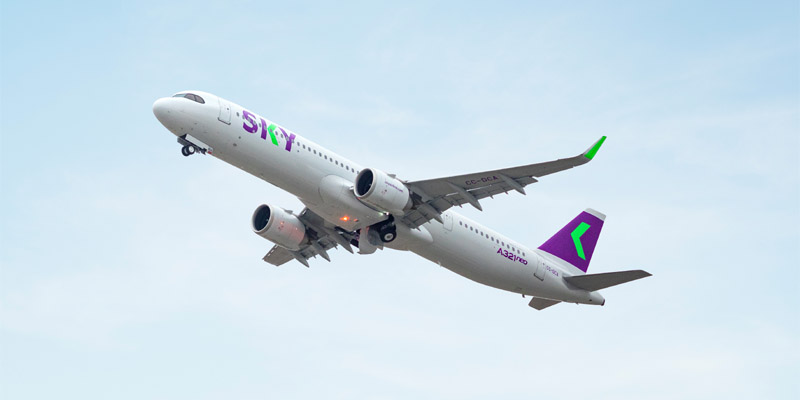
SKY Announces First Airbus A321XLR Route and Boosts Connectivity from Peru and Chile

LATAM Secures US$ 505 Million for Fleet Expansion and Integrates Its Largest Sustainability-Linked Financing

WestJet expands Latin America and Caribbean network for winter 2026/2027 season
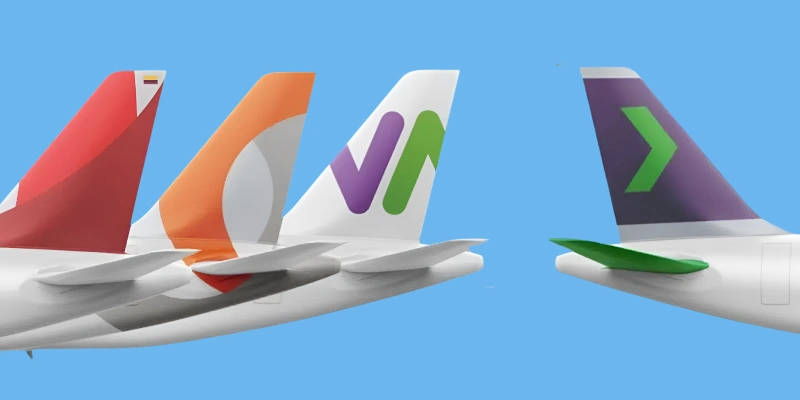
Peru Conditionally Approves Abra Group’s Acquisition of Sky Airline

Plataforma Informativa de Aviación Comercial con 13 años de trayectoria.