New Delay for Project Sunrise: Delivery of Qantas’ First Airbus A350-1000 Postponed to 2027
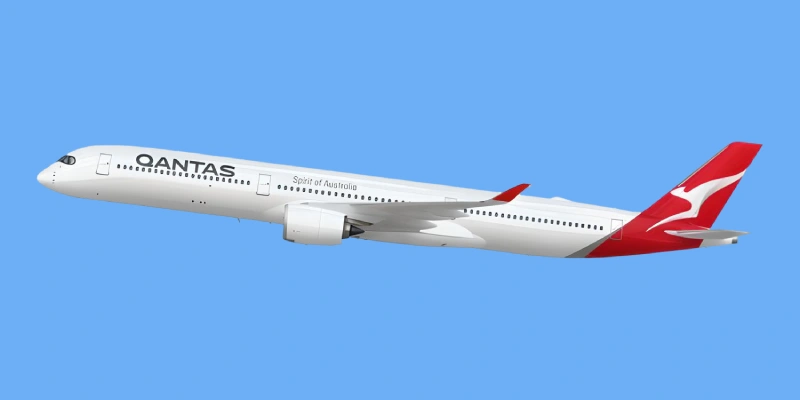




Qantas Airways has suffered another setback in its ambitious plan to operate the world’s longest non-stop commercial flights. The delivery of its modified, ultra-long-haul Airbus A350-1000 aircraft has been delayed once again, pushing back the operational debut of the highly anticipated Project Sunrise.
Supply Chain Crisis Impacts Airbus’ Schedule
The European airframe manufacturer confirmed that the first of the 12 custom-built aircraft for the Australian flag carrier will now arrive in April 2027. This announcement represents a significant shift in planning, as Qantas had previously projected taking delivery of the first airframe by late 2026.
- Cause of the Delay: The aerospace manufacturer directly attributed this postponement to persistent supply chain bottlenecks, though it declined to provide specific details regarding the affected components.
- Impact on Testing: The airline’s original timeline stipulated receiving the first aircraft this year to begin months of proving flights, which are indispensable for type certification. Following this adjustment, the launch of direct routes from Sydney to London and New York will be rescheduled to begin by mid-2027.
Delivery Catch-up and Financial Projections
Despite the initial impact, Qantas issued a statement detailing that the subsequent four A350 units will join the fleet in rapid succession following the arrival of the first aircraft in April. The objective of this accelerated delivery schedule is to normalize the fleet induction timeline by November 2027.
At this time, the carrier has not specified the exact date on which the inaugural commercial flight for the project will take place.
→ Qantas and American Airlines Secure Provisional Authorization in Australia for Transpacific Alliance
Economic Viability of Project Sunrise
The development of this commercial business case was proposed nearly a decade ago by the company’s then-CEO, Alan Joyce. The program has faced systematic disruptions, first due to the global effects of the Covid-19 pandemic and subsequently by the resulting international logistical backlogs.
At the corporate level, Project Sunrise and the operation of the A350 fleet are cornerstones for the operator’s long-term profitability due to the following factors:
- Competitive Advantage: The company aims for these unique point-to-point services to secure a commanding position in the international market—an environment where operating costs are rising and competition is far more aggressive compared to the duopoly of the Australian domestic market.
- Financial Return: Management estimates that the full deployment of the 12 airframes ordered in May 2022 will generate an annual operating profit of at least 400 million Australian dollars (A$), equivalent to approximately 287 million US dollars.
Technical Specifications of the Ultra-Long-Haul Airbus A350-1000
The 12 aircraft ordered by the airline are engineered to meet the extreme operational requirements of flights exceeding 20 hours of continuous block time. To successfully connect the east coast of Australia with almost any global metropolis non-stop, the aircraft will feature an additional center fuel tank. This modification will allow them to operate at maximum payload capacity while strictly maintaining regulatory reserve fuel margins.
Next Steps for the Airline
The airline’s leadership remains focused on technical readiness ahead of the entry into service (EIS) of the new sub-fleet. Company representatives noted that they continue to work closely in tandem with Airbus engineering teams on the delivery processes and the technical certification protocols required to guarantee the safe launch of these ultra-long-haul operations, which aim to set a milestone in the history of global civil aviation.
Related Topics

Ryanair CEO Rules Out Fuel Surcharges, Predicts Bankruptcies and Further European Consolidation

Condor Expands European Network from Frankfurt with Athens, Florence, and Stockholm
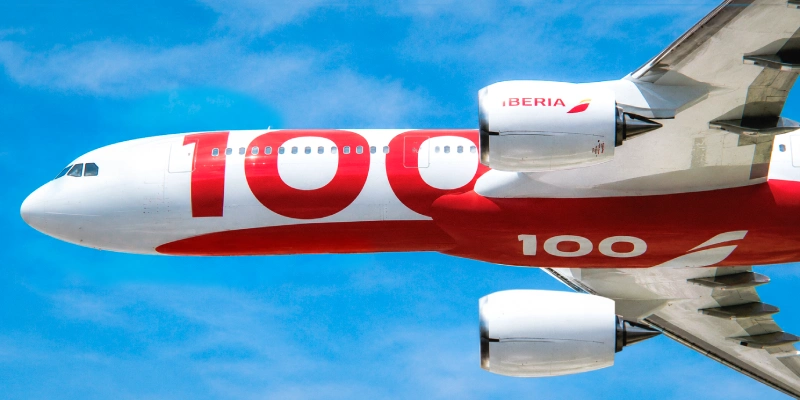
Iberia Begins Countdown to Its Centenary: Unveils Commemorative Livery and Event Program
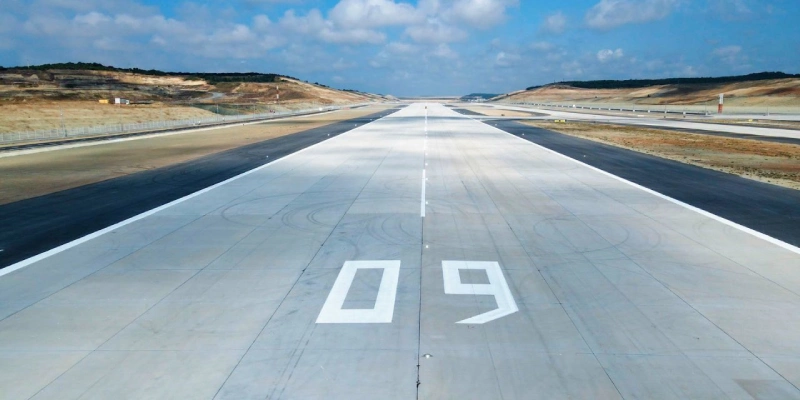
Istanbul Airport Inaugurates Its Sixth Runway
Plataforma Informativa de Aviación Comercial con 13 años de trayectoria.