Airbus Revolutionizes Aeronautical Design with HPC6: Next Generation of Supercomputers to Develop Aircraft of the Future
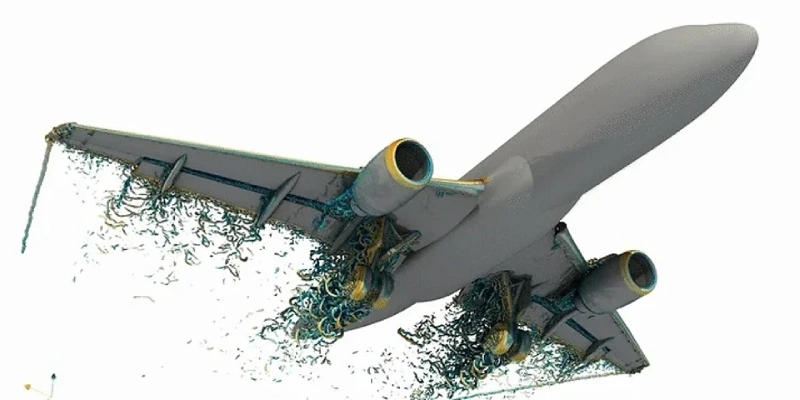




In an era of digital acceleration, Airbus has deployed its next generation of HPC6 supercomputers to lead the future of aeronautical design. This infrastructure triples previous processing capacity, enabling the development of more efficient, sustainable, and quieter aircraft in a completely virtual environment, drastically accelerating their time-to-market.
Evolution of High-Performance Computing in Aerospace Engineering
For more than two decades, High-Performance Computing (HPC) has allowed Airbus engineers to minimize or even replace traditional physical testing with advanced digital calculations. Although the application of this technology was initially strictly limited to flight physics and airframe development, its scope has expanded significantly today toward powerplants and systems.
- Impact Simulations: Tests to evaluate the resilience of aircraft components against birdstrikes can now be performed digitally.
- Critical Components: These virtual assessments are applied with high priority to high-exposure, complex elements, such as cockpit windows and engines.
HPC6: Tripled Computing Capacity with European Technology
Airbus raised its high-performance computing standards in 2026 by deploying two supercomputers provided by Bull, a leading European firm in advanced computing and Artificial Intelligence (AI).
→ Airbus Ramps Up May Production: Renders 81 Commercial Aircraft Delivered
These new platforms offer data processing capacities three times higher than those of the previous-generation supercomputers. This exponential increase in computing power drives a definitive shift toward the highly sought-after, fully digitalized aircraft design.
High-Fidelity Simulations and Reduction of the Margin of Error
The expansion of HPC capacity substantially alters the role of simulation in next-generation products, enabling the rapid investigation of multiple aircraft configurations. This is key to accelerating time-to-market and meeting delivery deadlines for future airplanes and helicopters.
“Supercomputers help create finer 3D representations of objects, allowing the exploration of more complex designs and more detailed simulations to achieve higher fidelity,” explains Jean Gutierrez, Scientific Computing Product Manager within Airbus Engineering.
Furthermore, the use of HPC6 allows the resolution of larger-scale problems and provides a closer approximation to operational reality. By reducing the need for a wide acceptable margin of error—which would otherwise require mandatory physical validation testing—product development becomes much more efficient and innovative.
Currently, the HPC6 system is already supporting both active programs and their derivatives, such as the A350 Freighter, as well as future developments integrating the next generation of helicopters.
Sustainability and Carbon Footprint Management
The more than three-fold increase in computing capacity not only unlocks new design opportunities but also introduces novel solutions to optimize the energy footprint of Airbus’s technological infrastructure.
The surge in power enables progress on plans to implement a local heat-exchanger system. This technological project aims to capture and reuse the heat generated by the supercomputer itself, redirecting it directly into local energy grids. With this initiative, the company seeks to balance advanced digital performance with environmental responsibility across its technological support operations.
The deployment of the HPC6 supercomputers consolidates Airbus’s digital transformation, positioning advanced digital simulation as the fundamental pillar for creating the aircraft of the future. Through this enhanced processing capacity, the company not only ensures technical innovation and reduced development times for its commercial and rotary-wing programs but also integrates energy efficiency as a key factor in its supercomputing infrastructure.
Related Topics
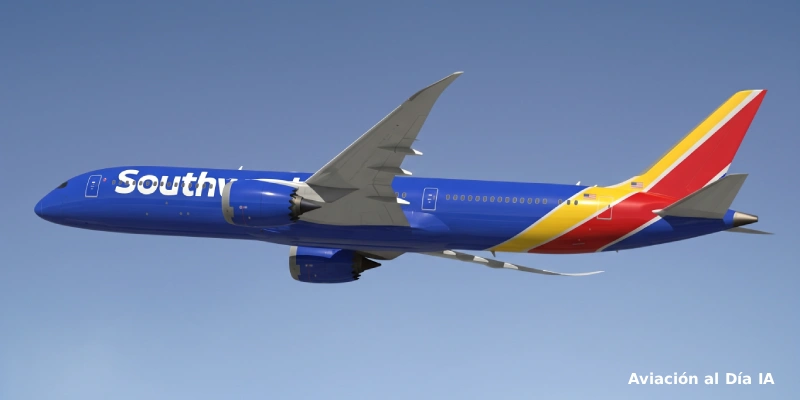
Southwest Airlines Evaluates Widebody Aircraft, Eyes Boeing 787
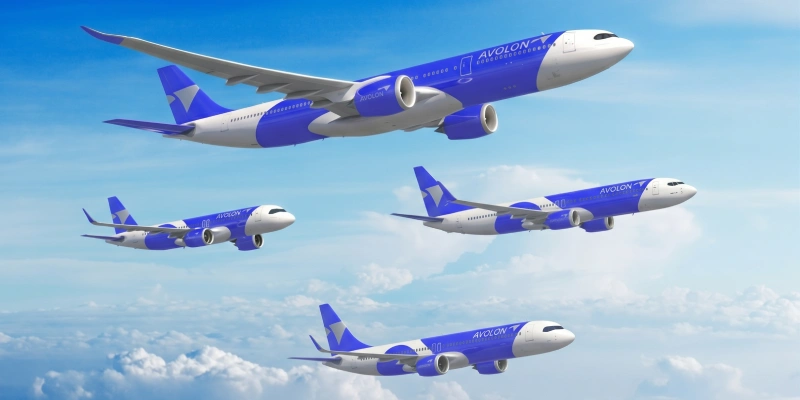
Avolon Orders 250 Aircraft from Airbus and Boeing

FAA Clears Path for Boeing 737 MAX 10 Certification After Dismissing Flight Software Safety Risks
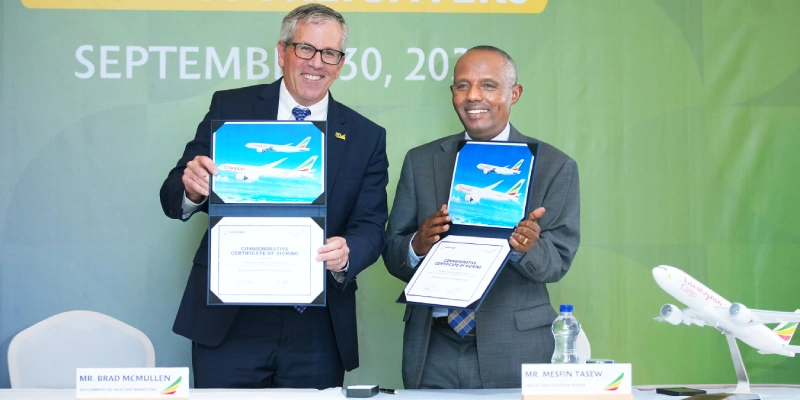
Ethiopian Airlines Orders Ten Boeing Freighters: Eight 777-8Fs and Two 777Fs to Boost Global Logistics Network

Plataforma Informativa de Aviación Comercial con 13 años de trayectoria.