Air India Appoints Former Ethiopian Airlines CEO as New Chief Executive
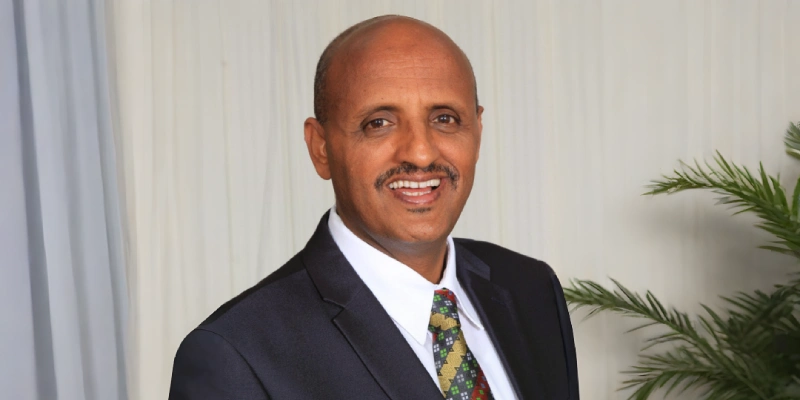




In a high-level strategic move to accelerate its turnaround plan, Air India has formally appointed industry veteran Tewolde Gebremariam as its new Chief Executive Officer. Gebremariam takes the helm at a critical juncture for the carrier as it grapples with ongoing financial losses and heightened regulatory scrutiny following a fatal crash last year.
A Proven Track Record in Crisis Management and Growth
Tewolde Gebremariam brings a distinguished commercial and operational track record to the role. For over a decade, he served as Group CEO of Ethiopian Airlines, steering a multi-billion-dollar expansion strategy that established the state-owned carrier as Africa’s largest aviation group.
Under Gebremariam’s leadership at the Ethiopian flag carrier, the airline achieved unprecedented operational milestones:
- Financial Growth: Annual revenue quadrupled during his tenure.
- Fleet Expansion: The commercial aircraft fleet nearly tripled over the same period.
- Navigating Severe Crises: He demonstrated exceptional crisis management expertise by guiding the airline through two of the most complex headwinds in modern aviation—the global COVID-19 pandemic, during which the carrier maintained operations without government bailouts, and the technical and corporate fallout following the fatal Boeing 737 MAX crash in 2019.
→ Air India Deploys Boeing 787-9 to Canada and Announces New Seasonal Mumbai–Toronto Route
Leadership Transition and Ownership Structure
Gebremariam succeeds Campbell Wilson, a former Singapore Airlines executive appointed in 2022 to lead Air India’s operational transformation following its acquisition by the Tata Group conglomerate. In accordance with corporate procedures, Wilson will step down on September 30 after completing his contractual notice period.
Air India Ownership Breakdown
| Shareholder | Equity Stake |
|---|---|
| Tata Sons | 75% (Majority Stake) |
| Singapore Airlines | ~25% |
Financial, Operational, and Regulatory Challenges
The incoming CEO takes control of an airline facing complex headwinds across multiple strategic and international fronts:
- Regulatory Scrutiny: The carrier is under intense oversight from civil aviation authorities following a tragic 2025 accident that claimed 260 lives.
- Financial Losses and Operating Costs: Profit margins remain under severe pressure due to accumulated financial losses and regional supply chain disruptions.
- Airspace Restrictions and Geopolitical Conflicts: International long-haul operations have been hit hard by disruptions linked to ongoing conflict in the Middle East, compounded by Pakistan’s airspace ban. These routing constraints have forced extended block times on long-haul sectors, directly increasing fuel burn and driving up fleet operating costs.
Related Topics
British Airways Expands Network for Summer 2027: Touches Down in Tanzania and Boosts Latin American Capacity by 25%

Copa Airlines Restores Second Daily Flight to Caracas, Venezuela

Avianca Strengthens Cross-Border Network: Launches Daily Flights Between Bogotá and Maracaibo, Venezuela

LATAM to Expand International Connectivity With New Direct Route Between Santiago de Chile and Salvador de Bahia

Plataforma Informativa de Aviación Comercial con 13 años de trayectoria.