Air India Seeks $1.5 Billion Capital Injection From Tata Sons and Singapore Airlines Following Record Losses
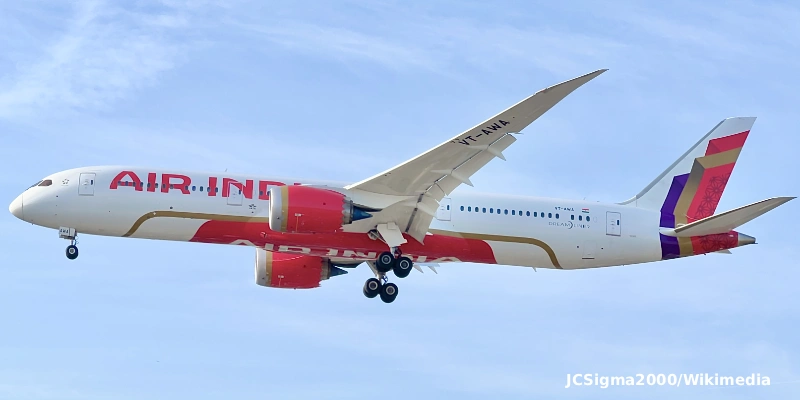




Air India has requested a fresh capital injection of approximately $1.5 billion from its owners, Indian conglomerate Tata Sons and Singapore Airlines, according to an exclusive report by Reuters. The request represents one of the largest reported funding calls since the Tata Group retook control of the former state-flagged carrier in 2022.
According to sources familiar with the matter, the airline requires the funds urgently, though the injection is expected to be delivered in tranches. To execute the transaction, Singapore Airlines—which holds an approximate 25% stake in the Indian carrier—will need to contribute its pro-rata share. Discussions remain ongoing, and no final decision has been reached regarding the request.
Key Balance Sheet Indicators
- Requested Injection: $1.5 billion in fresh equity (via a new share issuance).
- Combined Annual Loss: $2.33 billion for the fiscal year ending in March (more than double the losses recorded in the prior period).
- Affected Entities: The loss consolidates the operations of Air India and its low-cost subsidiary, Air India Express.
- Shareholding Structure: Tata Sons (75%) and Singapore Airlines (25%).
- Partner Impact: The Indian carrier’s negative financial results have begun to weigh on Singapore Airlines’ consolidated earnings.
→ Airbus Preliminary Report: Multiple Hydraulic Failure Led to Air India A320 Altitude Drop
Adverse Factors: Geopolitics, Fleet Modernization, and Executive Leadership Tensions
The call for capital comes amid a complex operational and financial environment as the airline undergoes a multi-billion-dollar turnaround plan, which includes a comprehensive overhaul of its existing fleet. A combination of internal and external headwinds has exacerbated the carrier’s operating deficit:
- Airspace Restrictions: Airspace blockades imposed by Pakistan on Indian operators have driven up operating costs and block times.
- International Network Disruption: Geopolitics involving the United States, Israel, and Iran have severely disrupted strategic international routes.
- Operational Fall-out: Operational and reputational fallout following last year’s fatal crash, which resulted in 260 fatalities.
- Supply Chain Pressure: Persistent global supply chain bottlenecks affecting parts availability and MRO schedules.
Additionally, the corporate landscape reflects internal friction. N. Chandrasekaran, Chairman of Tata Sons, is preparing to step down in February following months of disagreements with the group’s controlling charitable trust—disagreements driven in part by the airline’s financial performance and mounting losses.
Chandrasekaran previously warned that a complete turnaround of the flag carrier could take up to a decade, citing the need to overhaul legacy systems, organizational culture, and the aircraft fleet.
Delivery Adjustments With Airbus and Boeing
As part of cost-containment measures imposed by Tata Sons to mitigate record losses, airline leadership has sought to defer deliveries of hundreds of aircraft previously ordered from OEMs Airbus and Boeing.
Industry sources indicate that, given the scale of the restructuring, the carrier is expected to require additional capital infusions over the coming years.
Next Steps
While negotiations to structure the capital injection continue between the parties, Singapore Airlines reaffirmed that it is working closely with Tata Sons to support the Indian carrier’s transformation program, though it declined to comment on the specific financial details of the request.
The resolution of this equity contribution from its shareholders will be pivotal in defining the pace of the airline’s fleet retrofits and its short- to medium-term financial viability.
Related Topics

Copa Airlines Restores Operations Following Seismic Activity in Panama and Expands Commercial Flexibility Policies

Arajet Resumes Direct Flights Between Punta Cana and Guayaquil

LATAM Airlines Announces Nonstop Flights Between Santiago de Chile and Caracas Starting in January

Satena to Launch Direct Flights Between Montería and Panama City in October

Plataforma Informativa de Aviación Comercial con 13 años de trayectoria.