Argentine Airports Record All-Time Passenger Traffic High in September
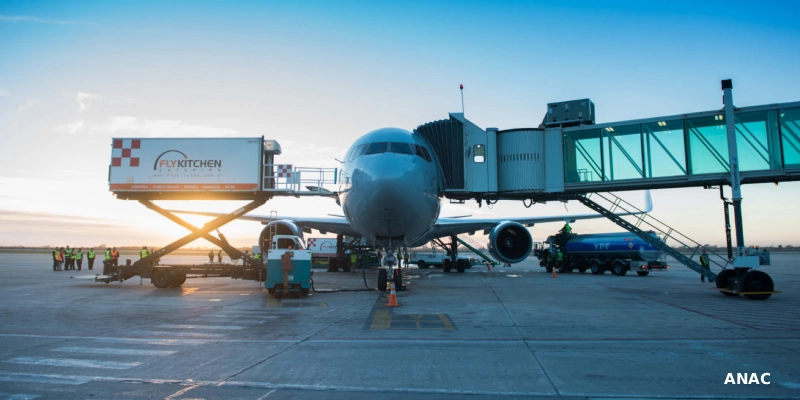




In September 2026, Argentina’s airport system recorded its highest-ever traffic volume for the month, handling 4,186,500 passengers. This represents a 2% increase compared to the previous record set in September 2025. Over a medium-term year-over-year horizon, the figure reflects a 15% expansion compared to 2024 and a 7% rise over 2023 levels. These results reinforce an upward trajectory across the commercial aviation sector, propelled by the country’s Open Skies policy and an unprecedented operational decentralization toward the provinces.
The international segment served as the primary driver of monthly growth:
- International Passengers: 1,300,890 travelers, setting an all-time record for the month of September and reflecting a 5% increase compared to 2025.
- Domestic Flights: 2,885,610 passengers transported across the domestic network, posting a 1% rise year-over-year compared to September 2025.
Federal Connectivity: Surge in Nonstop International Flights from Regional Hubs
One of the most notable indicators during this period was the performance of direct, point-to-point federal connectivity bypassing mandatory layovers in Buenos Aires. During September, 181,068 passengers flew directly to international destinations from airports in the interior, posting substantial growth:
- +17% compared to September 2025.
- +42% compared to September 2024.
- +75% compared to September 2023.
→ World2Fly Launches Direct Flights Between Madrid and Rosario, Argentina
Year-to-Date Performance (January – September 2026)
The trend toward decentralized air operations strengthened considerably over the first nine months of the year. Between January and September 2026, 2,083,547 passengers traveled abroad directly from regional airports:
- A 28% increase compared to the same period in 2025.
- An 82% jump over 2024 figures.
- A 127% surge compared to cumulative 2023 levels.
This momentum is a direct result of the Open Skies framework spearheaded by the national government. Under this deregulatory push and regulatory liberalization, 28 international routes currently connect the country’s provinces with foreign markets without requiring connections through the capital.
Airport-by-Airport Breakdown and Key Route Restorations
Airport throughput saw sharp increases across several regions nationwide compared to September 2025:
Domestic Route Growth
- Viedma: +51%
- Resistencia: +36%
- Paraná: +24%
- Salta: +17%
International Operational Expansion
- Tucumán: +129%
- Mendoza: +15%
Alongside these double- and triple-digit percentage gains, the sector reinforced point-to-point regional and leisure connectivity through the resumption of key domestic services: Aerolíneas Argentinas resumed its inter-Patagonian route connecting Bariloche and El Calafate, while ultra-low-cost carrier JetSMART reinstated regular scheduled flights between Buenos Aires and El Calafate.
September’s record-breaking performance and the consolidation of 28 direct international routes from regional gateways underscore the market impact of regulatory opening and air transport deregulation in Argentina. Driven by the reactivation of strategic domestic city-pairs and sustained demand across both domestic and international segments, the national airport network continues to diversify geographically while expanding connectivity options nationwide.
Related Topics

US Lawmakers Demand FAA Halt Use of New AI Tool in Washington Airspace
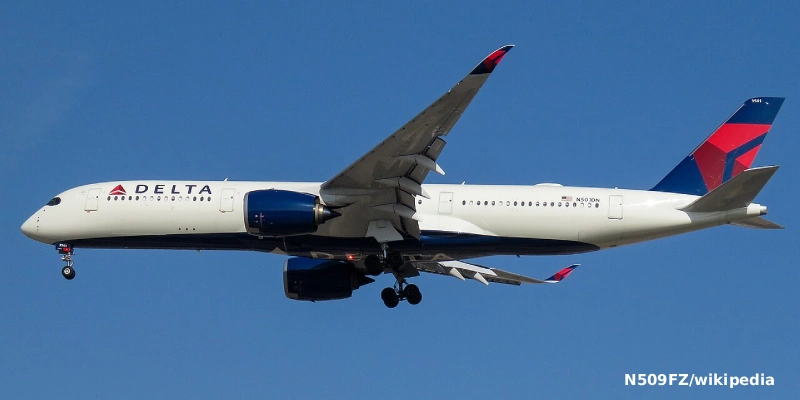
Delta Postpones Launch of Direct Atlanta–Riyadh Flights to March 2027

Avianca Flight from Medellin to New York Diverts to Miami Due to Severe Turbulence; At Least Eight Hospitalized
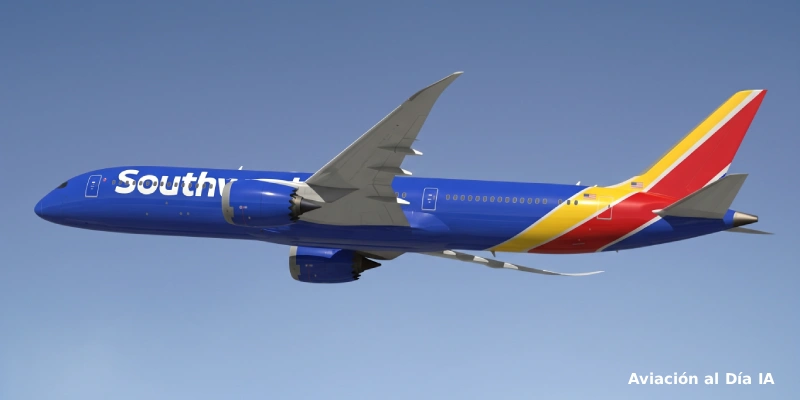
Southwest Airlines Evaluates Widebody Aircraft, Eyes Boeing 787

Plataforma Informativa de Aviación Comercial con 13 años de trayectoria.