airBaltic Receives Its 51st Airbus A220-300





On December 1, 2025, airBaltic added its 51st Airbus A220-300, registered as YL-BTA, to its fleet upon landing in Riga. This is the second aircraft of this model received by the company in 2025 and marks a step forward in its strategy of operating a single aircraft type. To date, the A220-300 fleet has transported over 23,162,000 passengers, completed nearly 241,000 flights, and accumulated 530,000 flight hours.
A Unified Fleet Driving Efficiency
Since May 2020, the airline has operated exclusively with the Airbus A220-300. This decision reduces operational complexity and enhances the aircraft’s advantages, which have exceeded internal expectations in performance, fuel consumption, and comfort for both passengers and crew.
Passenger-Focused Comfort
The A220-300 features wider seats, larger windows, more space for hand luggage, and improved lavatories. Each of these elements elevates the flight experience and reinforces the quality standard that airBaltic aims to provide.
→ airBaltic Launches Direct Route Between Riga and Faro, Portugal
Onboard Technology: Next-Generation Connectivity
The company continues to install high-speed SpaceX Starlink internet across its fleet, becoming the first European airline to offer this service free of charge. This move positions airBaltic at the technological forefront of the regional market.
A Quieter and More Sustainable Aircraft
The Airbus A220-300 stands out for its low noise level, with an acoustic footprint twice as small as previous models. Furthermore, it is the world’s most efficient commercial aircraft according to its transparent environmental impact statement, capable of reducing CO₂ emissions by 25% and NOx emissions by 50% compared to the previous generation and industry standards.
Three Decades of Expansion
Over 30 years, airBaltic has evolved into a globally recognized operator. It currently connects the Baltic countries with 80 destinations across Europe, the Middle East, North Africa, and the Caucasus, strengthening regional connectivity and its role as a key component of the area’s air infrastructure.
Related Topics
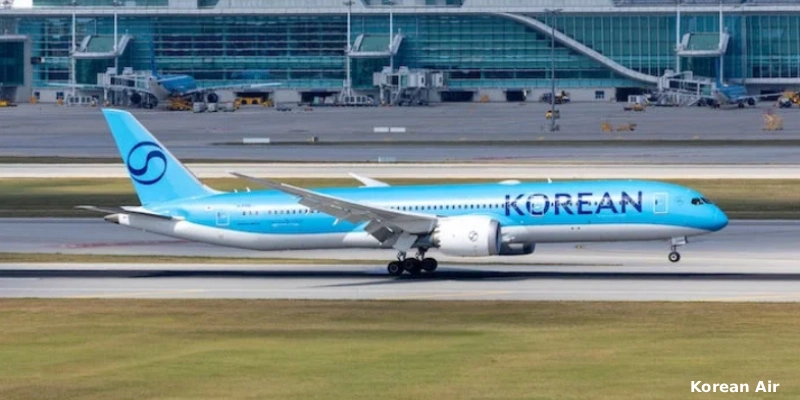
Korean Air Expands Australian Footprint with Direct Seoul–Melbourne Service
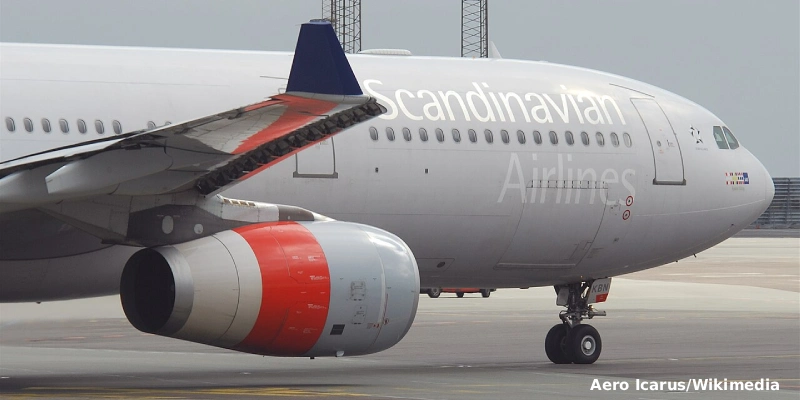
SAS Returns to India After 17-Year Hiatus With New Direct Copenhagen–Mumbai Route
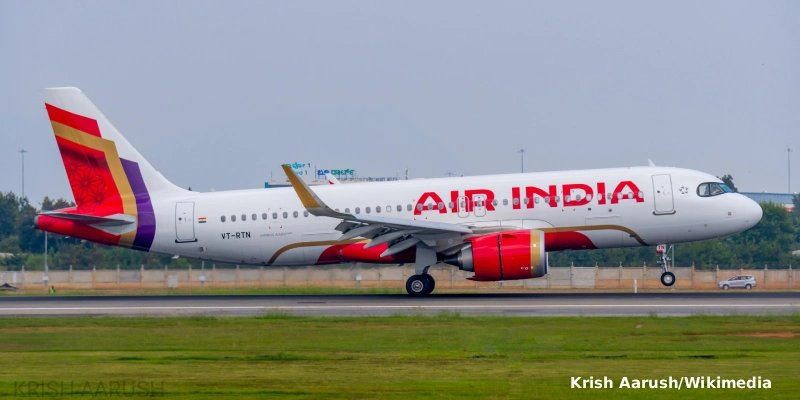
Airbus Preliminary Report: Multiple Hydraulic Failure Led to Air India A320 Altitude Drop

AirAsia Plans Up to 25% Capacity Cut in Q3 Following $203 Million Loss

Plataforma Informativa de Aviación Comercial con 13 años de trayectoria.