Air India Records Highest Rate of Technical Incidents in 14 Months During January
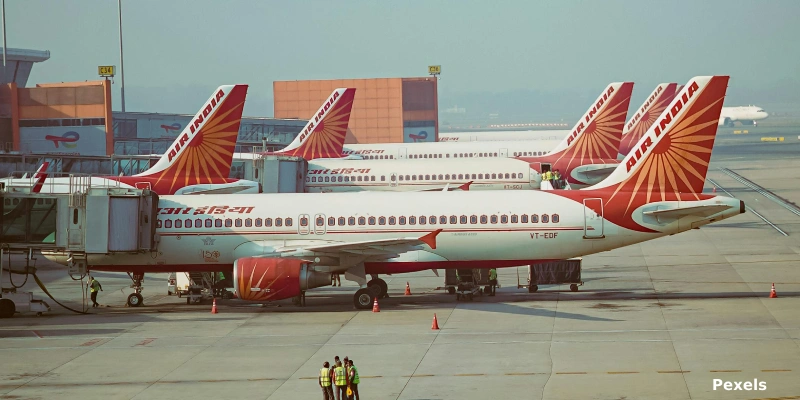




In January, Air India reached its highest rate of technical incidents in at least 14 months, according to an internal document submitted to the Indian government in February and reviewed by Reuters. This report surfaces amidst a climate of regulatory scrutiny, operational pressure, and an ambitious modernization plan facing structural obstacles.
In January, the airline recorded 1.09 technical incidents per 1,000 flights, quadrupling the level seen in December 2024, when the rate was 0.26. During the month, the company operated over 17,500 flights and tallied 23 technical incidents across its domestic and international operations. At least 21 of those cases were formally investigated by the airline itself.
The document does not provide data prior to December, nor does it include information regarding its low-cost subsidiary, Air India Express. Furthermore, it does not detail the comparisons with global standards mentioned, which are based on non-public information.
Nature of Incidents: Leaks, Engine Alerts, and Critical Systems
The report details that the recorded incidents included:
- Engine stall warnings (loss of power alerts)
- Issues related to flight and hydraulic controls
- Oil and fuel leaks in engines
Specifically, five episodes of fuel or engine oil leaks were recorded during the month. In one instance, a Dubai–Mumbai flight detected upon arrival that the engine oil level was “low”. Another notable incident occurred on January 12, when a Delhi–Dubai flight had to return after takeoff due to a lack of water in the lavatory and galley, according to the document. These events affected both Airbus and Boeing aircraft within the fleet.
Regulatory Context: Pressure Following Accident and Recurring Defects
Air India, the country’s second-largest airline, has been under increased scrutiny since an accident last year resulted in 260 fatalities. Since then, the company has acknowledged multiple safety failures and, in December, admitted to the “need for urgent improvements in process discipline, communication, and compliance culture”.
This month, India’s Ministry of Civil Aviation informed lawmakers that 82.5% of the 166 Air India aircraft analyzed since January 2025 presented recurring technical defects, compared to 36.5% for market leader IndiGo. No further details were provided regarding the nature of those defects.
Additionally, the UK aviation authority requested explanations from Air India after a Boeing 787 Dreamliner took off from London and was subsequently grounded in India for safety checks due to a potential fuel switch failure. According to a source with knowledge of the case, the airline reminded pilots of the need to strictly adhere to procedures and preemptively replaced the aircraft’s power control module.
Structural Challenges: Aging Fleet and Geopolitical Tensions
Owned by the Tata Group conglomerate and Singapore Airlines, Air India currently operates 191 aircraft and has placed orders for over 500 additional planes. However, the transformation of a company that was state-owned until 2022 has proven complex. CEO Campbell Wilson has repeatedly pointed out that supply chain disruptions have delayed cabin renovation programs.
Added to this is the financial impact derived from the closure of Pakistani airspace to Indian airlines within the framework of diplomatic tensions, which has forced the suspension of some long-haul routes.
Corrective Measures: Periodic Inspections and Engineering Reinforcement
The February document details several actions aimed at “reducing” technical incidents:
- Implementation of a periodic inspection program for the Airbus A320 fleet, focused on controlling leakage events.
- Replacement of all hydraulic steering system hoses in the Boeing 777 fleet.
- Launch of a periodic verification program for leaks in the air conditioning system.
- Application of “specific engineering actions” to bolster aircraft reliability and reduce incident rates.
The airline told Reuters it has launched a “comprehensive program to strengthen technical reliability” across its entire operation and has increased its inventory of critical spare parts by more than 30%, aiming to improve aircraft availability and reduce operational disruptions. It also indicated that it has made significant investments in infrastructure and engineering tools.
Performance in the coming months will be decisive in measuring whether the implemented technical measures translate into a sustained reduction in incidents and a tangible recovery of operational confidence.
Related Topics

US Lifts Restrictions on Mexican Carriers Following Bilateral Air Transport Agreement Dispute

Resumption of Direct US–Lebanon Flights Faces Setbacks Following Technical ICAO Report
FAA Poised to Certify Boeing 737 MAX 10 Next Week Following Key Safety Review Clearance

Air Canada and United Airlines Boost Transborder Connectivity with New Routes for Summer 2027

Plataforma Informativa de Aviación Comercial con 13 años de trayectoria.