

Spirit Airlines is once again at the center of the U.S. airline landscape. The low-cost carrier, currently undergoing restructuring, has resumed talks for a possible merger with Frontier Group Holdings—a move that could mark a turning point in its delicate financial situation and in the country’s “ultra-low-cost” segment, Bloomberg reported.
A Deal That Could Be Announced in Weeks
Sources familiar with the matter indicated that a transaction could be announced as soon as this month. However, negotiations remain ongoing and there is also the possibility that no agreement is reached, given the confidential nature of the talks.
Following the report’s publication, Frontier’s stock rose nearly 10% in after-hours trading in the United States. Spirit’s shares, meanwhile, showed no change and closed Tuesday’s session at 20 cents per share.
Official Stance of the Airlines
A Spirit representative stated that the company does not comment on rumors or speculation. Frontier, similarly, declined to make public statements on the matter.
→ Spirit Airlines Receives $100 Million Emergency Funding During Bankruptcy Process
Context: Bankruptcy and Competitive Pressure
A merger would represent a significant step for Spirit, which filed for its second bankruptcy in less than a year this past August. Furthermore, a potential deal would highlight the need for discount airlines to achieve greater scale to compete in an environment dominated by major U.S. carriers.
The basic fares and extensive networks of companies like United Airlines Holdings Inc. have complicated the position of traditional low-cost carriers, including Spirit, which have seen their competitive edge diminish.
Impact of a Combined Spirit–Frontier
If the union materializes, the new airline would become the fifth largest in the United States based on revenue passenger miles flown. It would thereby surpass JetBlue Airways Corp. and Alaska Air Group Inc., according to government data available through September.
A Relationship Marked by Previous Attempts
Frontier executives have pushed for a merger between the two low-cost airlines for years. Initially, both companies were known for offering very low fares and charging for additional services, such as printed boarding passes or water on board. In recent times, both have begun introducing more “premium” options with the aim of expanding their customer base.
Financial Restructuring and Job Cuts
Earlier this year, Spirit filed for Chapter 11 bankruptcy protection, highlighting the failure of a previous restructuring that had reduced approximately $795 million in debt and required new capital contributions from bondholders.
As part of the current process, the Florida-based airline has taken measures to reduce labor costs. In November, it announced 150 layoffs in corporate and operational areas. Months earlier, it implemented temporary furloughs for about 1,800 flight attendants and at least 270 pilots.
At the time of its initial bankruptcy filing in November 2024, aimed at restructuring roughly $1.6 billion in debt, Spirit had a workforce of nearly 12,800 employees.
A Key Precedent: The Rejected Offer
It is worth recalling that Spirit rejected a $2.2 billion proposal from Frontier in January, presented after its first bankruptcy filing. At the time, the company deemed the offer “inadequate and unfeasible.”
Now, with a more demanding scenario and renewed financial pressures, the potential revival of these negotiations could redefine the future of both airlines and the low-cost market in the United States.
Related Topics
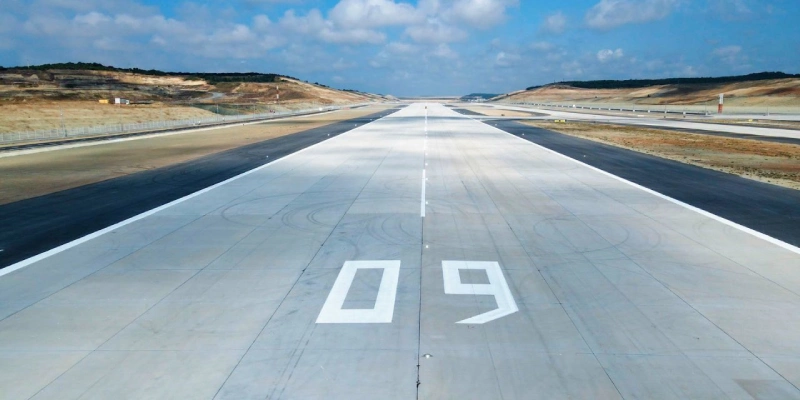
Istanbul Airport Inaugurates Its Sixth Runway
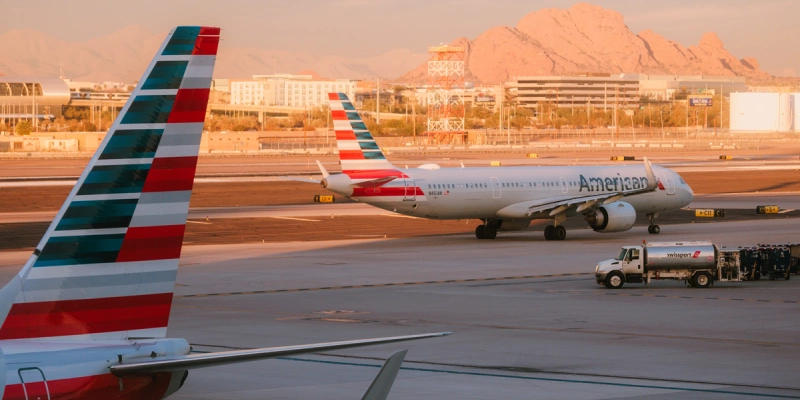
American Airlines to Be Primary Operator of Phoenix Sky Harbor International Airport’s New West Terminal

Delta Consolidates Leadership in Los Angeles with Largest Flight Schedule in its History for Summer 2027

Panama: Tocumen Airport Handles Over 15.8 Million Passengers Through August, Consolidating 15% Growth


Plataforma Informativa de Aviación Comercial con 13 años de trayectoria.