Viva and Volaris Announce Creation of a New Mexican Airline Group





Mexican airlines Viva Aerobus and Volaris announced an agreement to create a new Mexican Airline Group, structured under a holding company, with the goal of expanding low-cost air travel and strengthening connectivity both within Mexico and internationally. The initiative aims to consolidate capabilities without altering the operational model that both companies have developed over the years.
Independent Operations and Differentiated Brands
According to the released information, each airline will maintain its current operations through independent operating certificates and clearly differentiated brands. This structure will allow the preservation of existing routes available to passengers, while simultaneously expanding point-to-point travel alternatives. This approach avoids abrupt changes in the user experience and preserves the commercial identity of each company.
Expected Impact on Passengers, Industry, and Economy
The transaction envisions significant benefits for employees, users, suppliers, shareholders, and society in general. The new group will drive investment, employment, air connectivity, tourism, and economic development across Mexico. The combination of capabilities will allow for a more robust response to the challenges of the current operating environment.
Economies of Scale and Financial Strengthening
With the creation of the group, Viva and Volaris will gain access to greater economies of scale, translating into lower fleet ownership costs, better access to capital, and a stronger financial position. These conditions will enable the expansion of low-cost service offerings with high quality standards, making flying accessible to a greater number of people and stimulating demand in various markets.
Volaris’s Strategic Vision
Enrique Beltranena, President and CEO of Volaris, stated that the formation of the group will help drive the growth of Mexican aviation in line with the low-price, point-to-point flight model that has transformed the industry over the past two decades. He indicated that economies of scale and expanded distribution capabilities will strengthen competitiveness in domestic and international markets by reducing fleet ownership costs and facilitating sustainable growth supported by more efficient aircraft.
→ Viva Launches New Routes from AIFA to Austin and New York
Viva’s Focus on Low Fares and Expansion
Juan Carlos Zuazua, CEO of Viva, explained that the intention of the transaction is to offer reduced fares and more direct flights to a greater number of cities in Mexico and abroad. He emphasized that both airlines share a low-cost DNA and a vision focused on making travel possible for everyone. Maintaining the ultra-low-cost strategy is essential to sustain growth and strengthen passenger loyalty, who value point-to-point flights, reliable service, and accessible prices.
Benefits for the Mexican Aviation Industry
The new group will bring the ultra-low-cost model to more passengers, reinforcing the sector’s role as a catalyst for national prosperity and the democratization of air travel. Furthermore, it will generate economies of scale that help address recent impacts on the supply chain and issues with equipment and engine manufacturers, which have disproportionately affected smaller-scale airlines. The structure also preserves and strengthens two recognized Mexican brands, increasing their resilience and regional competitiveness.
Direct Advantages for Passengers
Travelers will retain their current options, as each company will operate under independent certificates and their own operating concessions. At the same time, distribution capabilities will be expanded, and collaboration on benefits such as the frequent flyer programs Doters and Altitude will be explored. The formation of the group will open new domestic travel alternatives, new operational bases, and enhanced connectivity through potential code-share agreements.
Expanded International Connectivity
Viva and Volaris will continue to offer low fares with high-quality service standards to communities abroad and for tourists visiting Mexico. Passengers will have greater options thanks to global code-share partnerships and distribution systems, strengthening the group’s international presence in key markets.
Stability and Opportunities for Employees
The operation will maintain each airline’s operator certificates, ensuring daily activities continue normally and protecting jobs. For each new aircraft added, typically 55 to 60 direct jobs are created, plus an estimated four times more indirect positions in related sectors. The group will also be in a position to invest in fleet, technology, infrastructure, training centers, and maintenance, generating well-paid professional development opportunities.
Impact on Communities and Regions
The new structure will allow for increased operations in the Mexico City metropolitan area, including the Felipe Ángeles International Airport, as well as opening new operational bases nationwide. This expansion will boost regional connectivity and replicate the development observed in cities like Monterrey, Guadalajara, Cancun, the capital metropolitan area, and Tijuana. Sectors such as tourism, retail, and hospitality will benefit directly.
Outlook for Shareholders
The group expects to reduce aircraft ownership costs through a stronger financial profile, with lower leverage and access to lower-cost capital. The high compatibility between Viva and Volaris in terms of fleet, airport infrastructure, technology, reservation systems, and suppliers generates significant synergy potential, creating value and better opportunities for sustainable growth driven by market demand.
With this agreement, Viva Aerobus and Volaris are charting a new chapter for Mexican aviation, betting on a model that combines efficiency, low cost, and responsible expansion, without sacrificing the identity or independent operation of each airline.
Related Topics

Global Passenger Demand Rises 0.2% in July Driven by Europe and Latin America
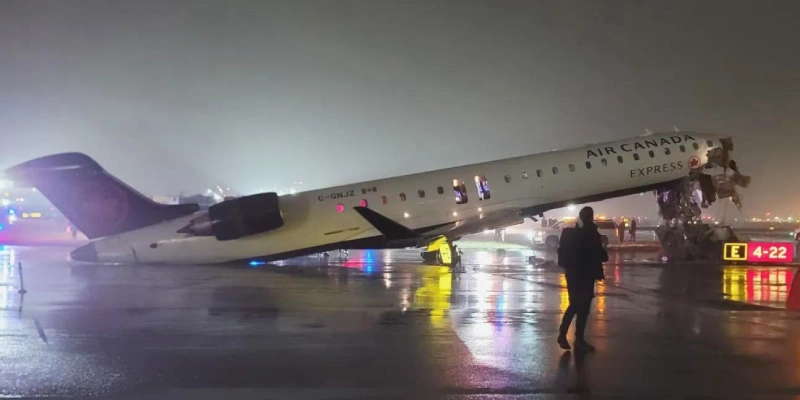
Investigation Reveals Two Controllers Left Posts Prior to Air Canada Aircraft and Fire Truck Collision at LaGuardia

SWISS to Elevate Premium Experience at Zurich Airport with New Lounges by 2027

Massive Cyberattack Hits Manchester Airports Group, Compromising Data of 8.7 Million Users Across Three UK Airports

Un apasionado por la aviación, Fundador y CEO de Aviación al Día.