

Copa Airlines resumed its flights to Salvador da Bahia this Wednesday, marking the return of a strategic route and bringing the total number of destinations the airline currently operates in Brazil to eight. The city once again joins a network that already includes Porto Alegre, São Paulo, Rio de Janeiro, Belo Horizonte, Brasilia, Florianópolis, and Manaus, confirming the structural importance of the Brazilian market within the connectivity model of the Panamanian airline.
The reopening of Salvador is not merely a network adjustment. It represents a clear signal of confidence in the sustained recovery of regional demand, particularly in markets with a strong tourism and corporate component, as well as international connections via the Hub of the Americas in Panama City.
An Operation Designed for Regional Connectivity
The Panama City – Salvador da Bahia route will have four weekly frequencies. Flights depart from Panama on Mondays, Wednesdays, Fridays, and Sundays at 15:58, landing in Salvador at 00:25 the following day. In the opposite direction, departures from Deputado Luís Eduardo Magalhães International Airport are scheduled on Mondays, Tuesdays, Thursdays, and Saturdays at 01:25, arriving in Panama at 06:40.
→ Copa Airlines Recognized as Latin America’s Most Punctual Airline in 2025: Second Worldwide
The schedules are aligned to maximize connectivity to Central America, the Caribbean, North America, and South America.
Boeing 737 MAX 8: Efficiency and Homogeneous Product
The operation is conducted using Boeing 737 MAX 8 aircraft. Each aircraft offers 166 seats, distributed across 16 in Executive Cabin, 24 in Economy Extra, and 126 in Main Cabin.
From an operational perspective, the use of the MAX 8 allows the airline to optimize cost per seat, improve fuel efficiency, and maintain a consistent product on medium-haul routes such as Salvador. For the frequent flyer, this translates into a predictable experience aligned with the company’s regional standard.
Brazil: A Structural Market, Not a Temporary One
With Salvador back on the map, Copa reinforces its presence in one of the region’s most complex and competitive markets. Brazil not only contributes passenger volume but also flow diversification: point-to-point traffic, international connections, and high-value corporate demand.
The fact that Salvador becomes the eighth Brazilian destination underscores a long-term strategy, extending beyond temporary capacity adjustments.
The return of Salvador da Bahia confirms a clear trend: airlines that manage to balance operational efficiency, smart connectivity, and capacity discipline will be better positioned for the next phase of regional growth.
Related Topics
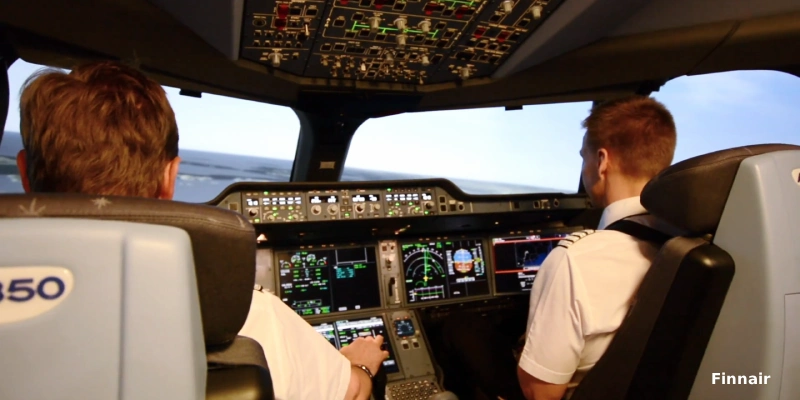
Finnair Adapts Pilot Training to Counter Daily GPS Jamming in the Baltic Region

Ryanair CEO Rules Out Fuel Surcharges, Predicts Bankruptcies and Further European Consolidation

Condor Expands European Network from Frankfurt with Athens, Florence, and Stockholm
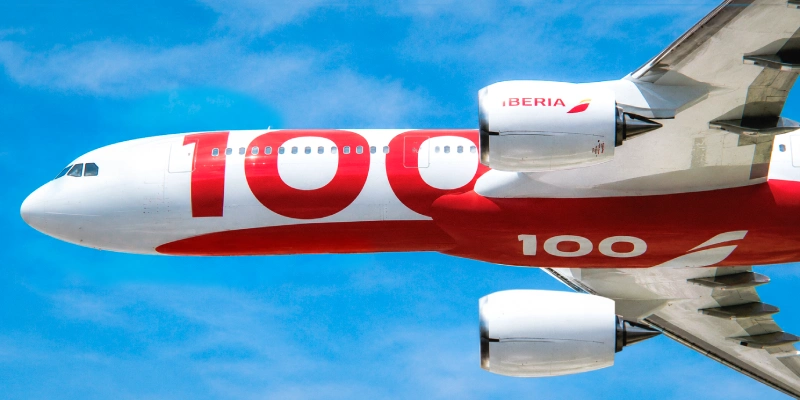
Iberia Begins Countdown to Its Centenary: Unveils Commemorative Livery and Event Program


Un apasionado por la aviación, Fundador y CEO de Aviación al Día.